Georgia Medical Marijuana Registry Surges Past 10,000 Patients, Creating Four-Week Card Wait
New state law expanding qualifying conditions drives enrollment spike, straining card-issuance capacity at Georgia's Access to Medical Cannabis Commission.
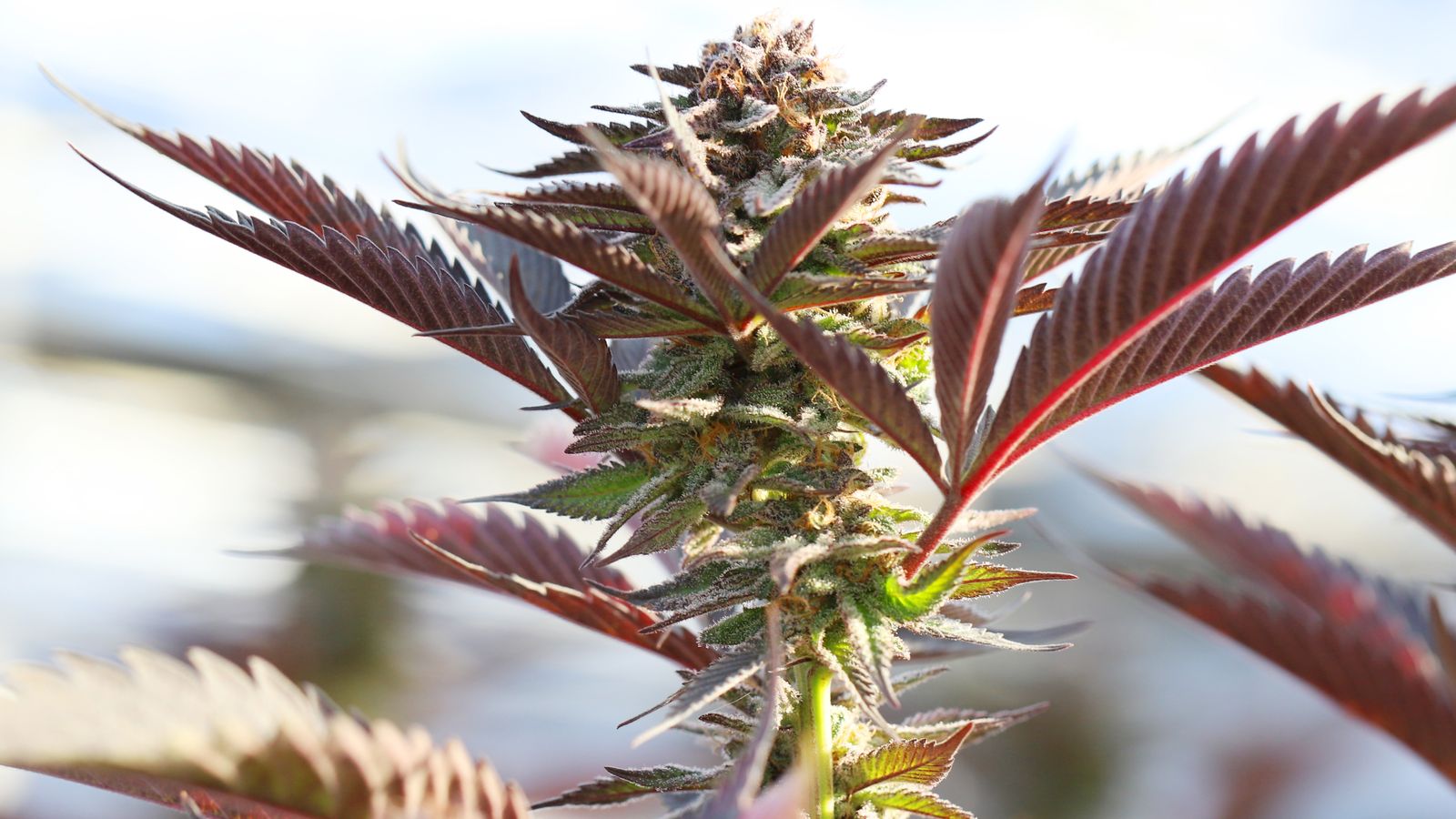
Detailed close-up of a vibrant cannabis plant with lush leaves in Salinas, CA.
Registry Enrollment Jumps Following Condition Expansion
Georgia's medical cannabis registry grew by approximately 10,000 patients in the three weeks following the August 1 effective date of HB 196, according to the Georgia Access to Medical Cannabis Commission. The commission reported the influx has pushed card-processing times to four weeks, up from the previous seven-to-ten-day turnaround. Both new applicants and existing patients seeking renewals face the same delays.
Prior to the expansion, Georgia's registry held roughly 28,000 active cardholders. The new enrollment represents a 36% increase in less than a month.
Three New Qualifying Conditions Drive Application Volume
HB 196 added chronic pain, post-traumatic stress disorder, and opioid-use disorder to Georgia's medical marijuana program, expanding the list from 16 to 19 qualifying conditions. Representative Matt Reeves (R-Duluth) sponsored the bill. It passed the Georgia House 108-64 on March 12, 2026, and the Senate 34-20 on April 9. Governor Brian Kemp signed the measure on May 15.
Commission data shows the three new conditions account for the majority of incoming applications. Chronic pain alone represents an estimated 60% of new patient filings since August 1.
- Chronic pain (non-cancer): estimated 6,000 new applications
- PTSD: estimated 2,500 new applications
- Opioid-use disorder: estimated 1,500 new applications
Commission Staffing Unchanged Despite Forecast
The Georgia Access to Medical Cannabis Commission hasn't added staff to process the application surge, despite legislative testimony in March projecting enrollment could double within six months. Twelve full-time staff members handle application review, physician verification, and card issuance. Executive Director Andrew Turnage told the House Judiciary Committee on March 5 that the agency requested funding for four additional processors in its FY2027 budget, but the appropriation wasn't included in the final budget signed by Governor Kemp on May 1.
Turnage didn't respond to requests for comment on current processing capacity or plans to address the backlog.
Patient Impact: Delayed Access to Dispensaries
The four-week card delay means newly approved patients can't legally purchase low-THC oil from Georgia's licensed dispensaries until they receive their physical registry card. Georgia law prohibits dispensaries from serving patients without a valid commission-issued card, even if the patient holds a physician certification. No provisional or digital cards exist during the processing period.
Georgia currently licenses eight dispensaries statewide, with two additional licenses awarded in July pending final inspection. Dispensary operators report fielding daily inquiries from patients who've submitted applications but haven't yet received cards.
Physician Certification Requirements Remain Strict
Patients must obtain certification from a physician registered with the commission's Low THC Oil Registry. The physician must conduct an in-person examination and certify that the patient has a qualifying condition and that the potential benefits of low-THC oil outweigh the risks. As of August 18, 2026, 1,247 physicians are registered to certify patients, up from 1,102 in May.
Telemedicine certifications aren't accepted. All initial evaluations must occur face-to-face, though renewals may be conducted via telehealth if the physician has previously examined the patient in person.
What Comes Next for Georgia's Program
The commission has indicated it'll prioritize renewals for existing patients to prevent lapses in legal access, potentially extending wait times for first-time applicants beyond four weeks. The agency hasn't announced plans to shift resources or extend processing hours. Members are expected to address operational capacity and budget requests for the current fiscal year at the next commission meeting, scheduled for September 10, 2026.
For full background on Georgia's medical marijuana program and regulatory framework, see the CannIntel topic hub on Georgia Medical Marijuana Program.
The political variable: whether the General Assembly will approve mid-year supplemental funding to hire additional processors when it reconvenes in January 2027. Without it, the backlog could stretch into Q2.
For complete background, history, and our ongoing coverage of this story:
Open the CannIntel topic hub →Frequently asked questions
How long does it take to get a Georgia medical marijuana card in 2026?
As of August 2026, the Georgia Access to Medical Cannabis Commission reports a four-week processing time for new applications and renewals, up from the previous seven-to-ten-day turnaround. The backlog is due to a surge in applications following the August 1 expansion of qualifying conditions.
What conditions qualify for medical marijuana in Georgia after the 2026 expansion?
Georgia now recognizes 19 qualifying conditions, including chronic pain, PTSD, and opioid-use disorder added by HB 196. Other conditions include cancer, Crohn's disease, mitochondrial disease, Parkinson's disease, sickle cell disease, and severe forms of epilepsy, among others.
Can I use a digital or provisional card while waiting for my Georgia medical marijuana card?
No. Georgia law requires patients to possess a physical registry card issued by the Georgia Access to Medical Cannabis Commission before purchasing low-THC oil from licensed dispensaries. The state does not offer digital or provisional cards during the processing period.
How many dispensaries are operating in Georgia in 2026?
Georgia has eight licensed dispensaries operating as of August 2026, with two additional licenses awarded in July pending final inspection. The state's program allows low-THC oil products containing no more than 5% THC by weight.
Do I need an in-person doctor visit to get certified for Georgia medical marijuana?
Yes. Georgia requires an in-person examination by a physician registered with the commission's Low THC Oil Registry for initial certification. Telemedicine is permitted only for renewals if the physician has previously examined the patient face-to-face.
Sources
The cannabis newsletter you forward to your team.
Federal policy, market data, grower alerts, and the one story that matters today. Sent every weekday at 7am. Free.
No spam. Unsubscribe with one click. 21+ only.
Related from Laws

Blanche Says Lucas Charges Aren't Aimed at State Cannabis Laws
The attorney general framed the federal case against Virginia's Senate president pro tem as conduct-based, not a move against state marijuana policy.

DOJ indicts Virginia lawmaker, six others over hemp THC shop
Federal prosecutors charged a Virginia state lawmaker and six others over a hemp THC operation, testing where hemp ends and marijuana begins.

New Jersey Bill Extending Hemp Drink Sales Advances
A bill to extend New Jersey hemp drink sales moved forward Oct. 22, but the public record behind the headline is thin.
More from the newsroom

Virginia Senator Faces Federal Marijuana and Fraud Charges
Marijuana Moment reported Oct. 22 that a top Virginia senator faces federal marijuana and fraud charges; the counts, court and named defendant await confirmation.

Survey of 7,913 German Patients Finds Pharmacy Cannabis Preferred
A survey of 7,913 German medicinal cannabis patients, nearly 90% with experience of both channels, points to the illegal market as a major source of stress.

Virginia Sen. L. Louise Lucas indicted in marijuana business case
The Washington Post reported the indictment of Virginia's Senate president pro tempore, a figure in state cannabis debates. The charging details were not in the initial report.