Ex-DEA Official Warns Against Schedule III Licenses Before Court Rules
A former senior DEA official urged that Schedule III marijuana licenses wait for a federal appeals court ruling, raising a sequencing question for operators and investors.
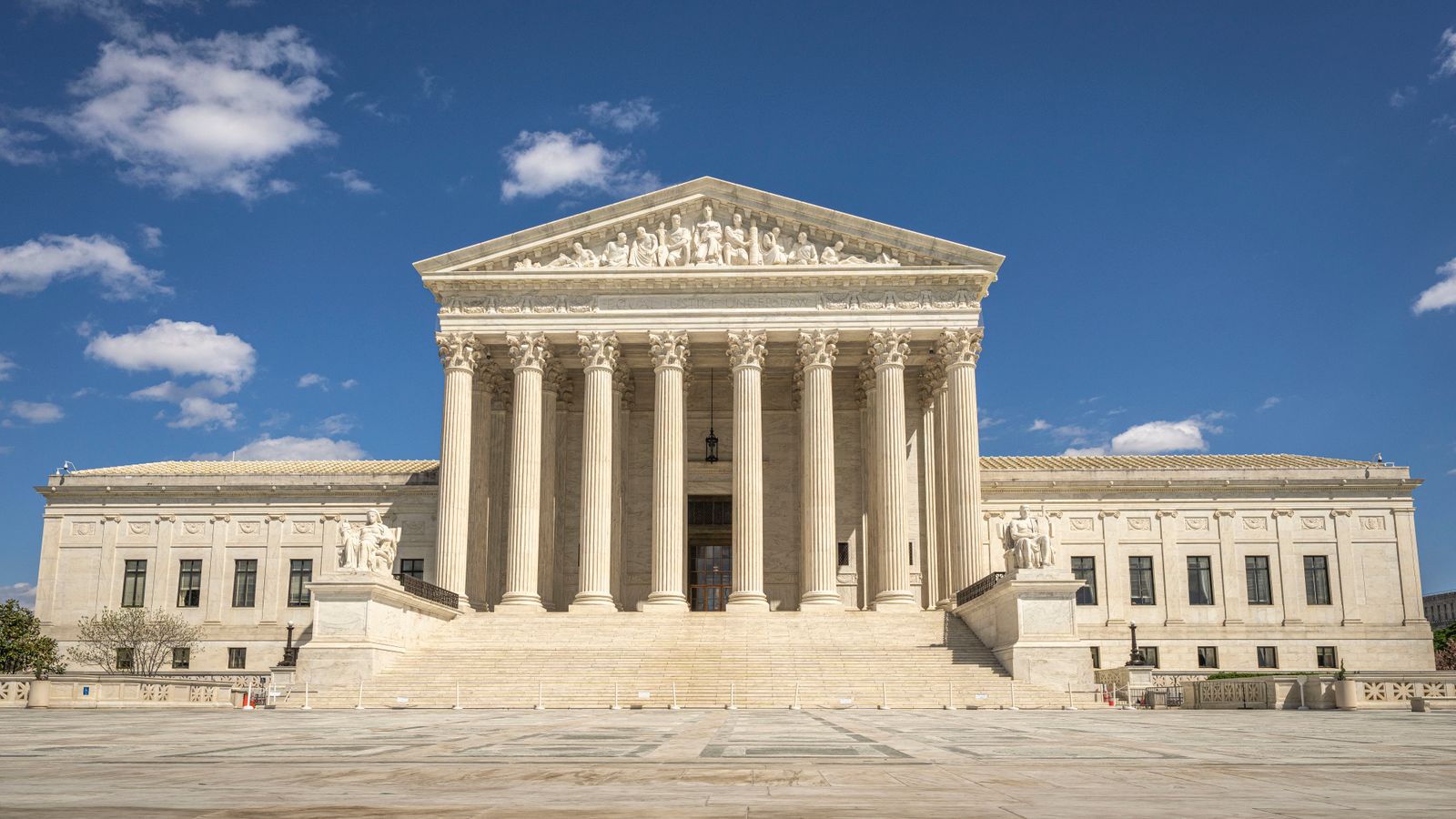
The majestic facade of the United States Supreme Court under a clear blue sky.
What the warning says, and what it leaves open
The core argument is about sequencing: hold the licenses until the appellate court decides.
A former senior DEA official warned against issuing Schedule III marijuana licenses until a federal appeals court rules, according to a StreetInsider headline published Oct. 13. The portion of the report available to CannIntel doesn't name the official, the court, or the case caption. We won't guess at them.
The framing still tells us something. A warning against issuing licenses assumes an administrative path toward Schedule III exists, and that a court challenge to it is pending.
As framed by StreetInsider, the warning isn't about whether marijuana belongs in Schedule III. It's about the order of operations: court first, licenses second.
Not a small distinction.
Why the appellate sequence matters under the Controlled Substances Act
Scheduling decisions under the CSA are reviewable in a federal court of appeals, so the timing of any registrations is a legal-risk question.
Marijuana sits in Schedule I under 21 U.S.C. § 812(c). Changes to a drug's schedule run through 21 U.S.C. § 811, and 21 U.S.C. § 877 sends final orders under the statute to a court of appeals for review.
Here's the logic, and it's CannIntel's read rather than the official's stated position. If the DEA issues registrations under a rescheduling order and a court later vacates or remands that order, the registrations rest on a rule that no longer stands. Registrants would hold paper that regulators, lenders and insurers might not honor.
That risk isn't theoretical for a regulated industry that finances itself on regulatory certainty. A court can take a long time to rule. Operators can't bank on a calendar nobody has published.
What Schedule III would and wouldn't change for operators
Schedule III would take marijuana outside the reach of 26 U.S.C. § 280E, but it wouldn't by itself make state-licensed sales federally lawful.
Section 280E denies business deductions to anyone trafficking in Schedule I or II substances. Move marijuana to Schedule III and, on the statute's face, that bar no longer applies. For multistate operators (MSOs) paying effective tax rates that swamp those of ordinary retailers, that's the headline benefit.
But the benefit and the legality question are separate. Schedule III drugs still require DEA registration for manufacturers, distributors and dispensers under 21 U.S.C. § 823, and they remain subject to Food and Drug Administration oversight. State-licensed dispensaries aren't DEA registrants today.
So the open items for any operator are:
- Whether a rescheduling order survives judicial review.
- Whether and how DEA registrations would extend to state-licensed businesses.
- How FDA requirements apply to products sold outside a drug-approval pathway.
A court ruling touches the first item directly. The other two depend on agency choices that haven't been fully tested.
What operators and investors should model now
Treat any Schedule III timeline as contingent on the appellate docket until a court decision or order says otherwise.
Operators building 280E relief into forecasts should carry a second scenario in which the rule is delayed, remanded or vacated. Cash-tax assumptions that depend on a specific effective date are the most exposed. Investors pricing rescheduling into MSO valuations face the same exposure.
The official's caution, if the headline captures it fairly, is a conservative one: don't create reliance interests before the legal ground is settled. That's the standard counsel gives clients in any regulatory dispute. It also runs against the industry's wish for speed. The tension won't go away soon.
For full background on the rulemaking and the litigation track, see the CannIntel topic hub on DEA marijuana rescheduling.
The next signal: any order, opinion or scheduling notice on the appellate docket. CannIntel will update this story when the court, the DEA or the official in question supplies specifics.
For complete background, history, and our ongoing coverage of this story:
Open the CannIntel topic hub →Frequently asked questions
Who warned against issuing Schedule III marijuana licenses?
StreetInsider's headline describes a former senior DEA official. The material available to CannIntel doesn't name the official, so this story doesn't either. We'll update it if the name and full remarks are confirmed from the original report.
Why wait for a federal appeals court before issuing licenses?
Under 21 U.S.C. § 877, final CSA orders are reviewable in a court of appeals. If a court vacates a rescheduling order, registrations issued under it could lose their legal basis. That's the sequencing risk the warning appears to address.
Would Schedule III end 280E for cannabis businesses?
On the statute's face, yes. 26 U.S.C. § 280E applies to Schedule I and II substances, so a Schedule III listing would remove that bar. Whether that benefit reaches a given operator depends on the final rule and on how courts treat it.
Would Schedule III make state-licensed dispensaries federally legal?
Not automatically. Schedule III drugs still require DEA registration under 21 U.S.C. § 823 and remain subject to FDA oversight. State-licensed dispensaries aren't DEA registrants today, and how that gap closes hasn't been settled.
Sources
The cannabis newsletter you forward to your team.
Federal policy, market data, grower alerts, and the one story that matters today. Sent every weekday at 7am. Free.
No spam. Unsubscribe with one click. 21+ only.
Related from Laws

New Jersey Bill Extending Hemp Drink Sales Advances
A bill to extend New Jersey hemp drink sales moved forward Oct. 22, but the public record behind the headline is thin.

Wisconsin Governor Nominees Crowley, Tiffany Back Legalization in Debate
Democrat David Crowley and Republican Tom Tiffany both endorsed some form of marijuana legalization on the debate stage, but split on how far and how fast Wisconsin should go.

DEA Urges Judge to Wrap Up Marijuana Rescheduling Process
The DEA asked the judge overseeing marijuana rescheduling to finish the process and avoid side fights, Cannabis Business Times reported, as the Schedule III proposal nears its third year.
More from the newsroom

Virginia Senator Faces Federal Marijuana and Fraud Charges
Marijuana Moment reported Oct. 22 that a top Virginia senator faces federal marijuana and fraud charges; the counts, court and named defendant await confirmation.

Survey of 7,913 German Patients Finds Pharmacy Cannabis Preferred
A survey of 7,913 German medicinal cannabis patients, nearly 90% with experience of both channels, points to the illegal market as a major source of stress.

Virginia Sen. L. Louise Lucas indicted in marijuana business case
The Washington Post reported the indictment of Virginia's Senate president pro tempore, a figure in state cannabis debates. The charging details were not in the initial report.