Grand Jury Finds DeSantis Misused $10M in Medicaid Funds
Florida grand jury report alleges governor's office improperly spent Medicaid dollars on anti-Amendment 3 campaign materials.
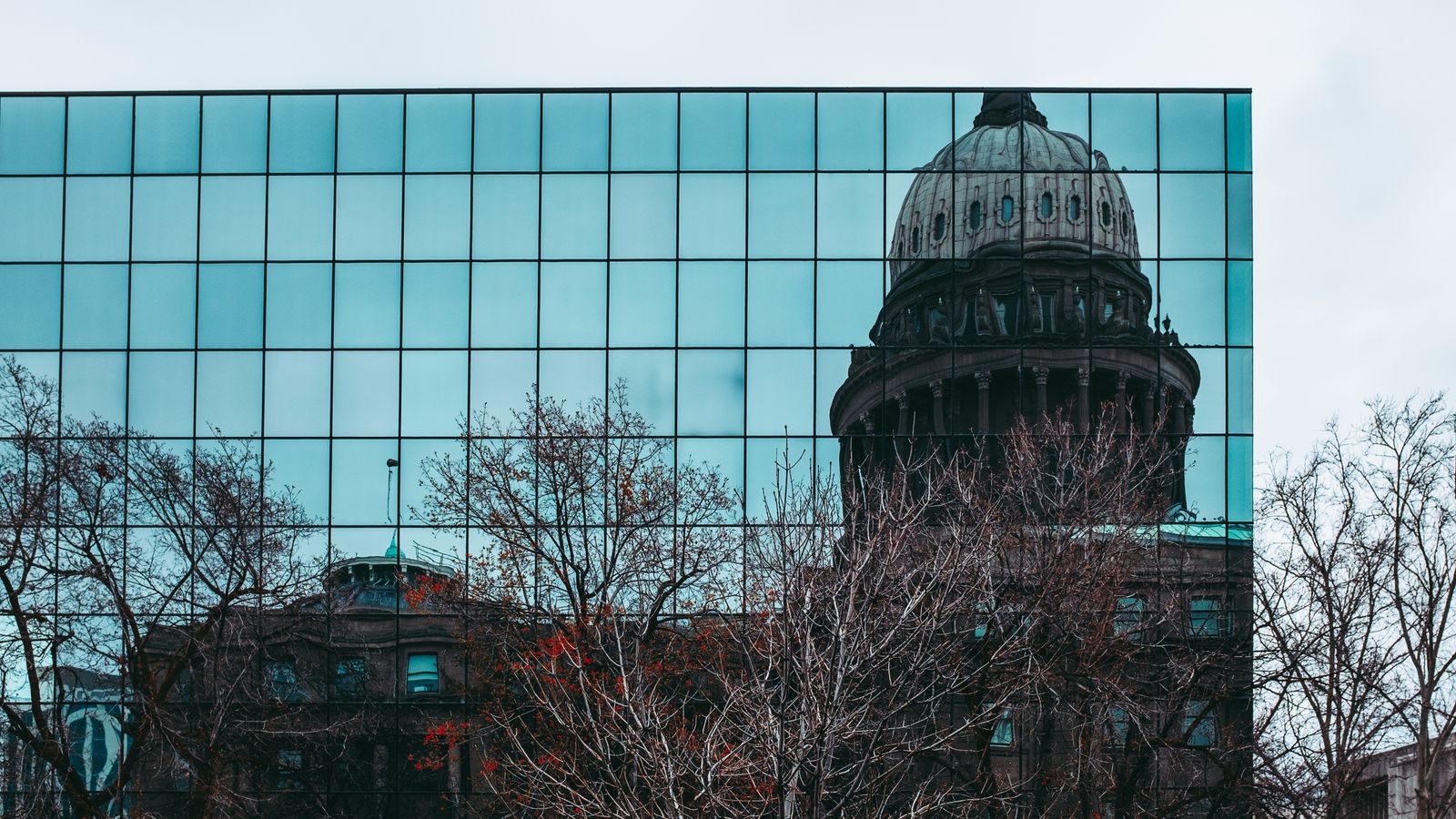
Reflection of Idaho State Capitol in a mirrored building facade in Boise, ID.
Grand Jury Issues Formal Finding on Medicaid Spending
The grand jury report released Thursday found that the Florida Agency for Health Care Administration improperly allocated Medicaid funds to produce and distribute television and digital ads opposing Amendment 3. The ads ran statewide in October 2025. They warned viewers that cannabis legalization would harm children and increase traffic fatalities. AHCA classified the campaign as public health education, but the grand jury rejected that designation as inconsistent with Medicaid statutory guidelines.
The $10 million expenditure represented approximately 0.03 percent of Florida's annual Medicaid budget. The grand jury didn't recommend criminal charges but referred its findings to the Florida Legislature for potential policy reforms.
Timeline and Scale of the Anti-Amendment 3 Campaign
AHCA launched the ad campaign on October 1, 2025, three weeks before the November 5 election. The agency purchased airtime on broadcast television in Miami, Tampa, Orlando, and Jacksonville, and ran pre-roll video ads on YouTube and Facebook. Internal AHCA emails cited in the grand jury report show that communications staff coordinated messaging themes with the governor's office.
Amendment 3 ultimately received 55.8 percent of the vote. It fell short of the 60 percent threshold required for constitutional amendments in Florida. The DeSantis administration spent an estimated $50 million in total state funds opposing the measure, including separate campaigns funded by the Department of Transportation and the Department of Children and Families.
Legal Standard for Medicaid Fund Use
Federal Medicaid statute restricts fund use to direct medical services, administrative costs, and health education programs that meet CMS guidelines. The grand jury found that the anti-Amendment 3 ads didn't qualify as health education under those guidelines because they advocated a specific electoral outcome rather than providing neutral information about cannabis health effects.
The report cited a 2019 CMS advisory letter that prohibits states from using Medicaid dollars for lobbying or campaign activities. Florida's AHCA didn't seek a waiver or formal opinion from CMS before launching the campaign.
Governor's Office Response and Legislative Implications
A spokesperson for Governor DeSantis said Thursday that the administration believes the ads were lawful public health messaging and that the grand jury overstepped its authority. The spokesperson didn't address whether the governor's office would cooperate with any legislative inquiry. DeSantis hasn't commented publicly on the report.
State Senator Lori Berman, a Democrat who chairs the Senate Health Policy Committee, said she'll introduce legislation in the 2027 session to tighten restrictions on state agency spending during election cycles. Republican leadership in the Florida House hasn't indicated whether it'll pursue the grand jury's recommendations.
Implications for Future Ballot Measures
This finding constrains how Florida governors can deploy state resources against citizen-led ballot initiatives. The grand jury didn't rule on whether the other $40 million in anti-Amendment 3 spending violated any statutes, but the report's logic applies equally to DOT and DCF campaigns that also ran during the election window.
Florida voters will likely see cannabis legalization on the ballot again in 2028. Smart & Safe Florida, the coalition that sponsored Amendment 3, has already filed preliminary paperwork for a revised measure. For full background on this story, see the CannIntel topic hub on Florida Amendment 3 Campaign.
For complete background, history, and our ongoing coverage of this story:
Open the CannIntel topic hub →Sources
The cannabis newsletter you forward to your team.
Federal policy, market data, grower alerts, and the one story that matters today. Sent every weekday at 7am. Free.
No spam. Unsubscribe with one click. 21+ only.
Related from Laws

Grand Jury Finds DeSantis Admin Misappropriated Medicaid Funds for Marijuana Campaign
A Florida grand jury concluded the administration diverted Medicaid dollars to fight Amendment 3, prompting Democratic calls for investigation.
Colorado Governor Pardons More People For Marijuana Convictions
Governor Jared Polis issued additional cannabis pardons in Colorado's ongoing clemency initiative for low-level possession offenses.
Texas THC Hemp Shops Struggle as State Tightens Enforcement
Retailers report closures and compliance costs after Texas regulators crack down on hemp-derived intoxicating products.
More from the newsroom
Medical Cannabis Reduces Symptoms in 91% of Older Adults, Study Finds
New research shows older patients report significant relief from pain, insomnia, and mood disorders within six months of treatment.

Study Links Cannabis Legalization to Rising Workplace Absenteeism
New research connects state-level cannabis laws to measurable increases in employee sick days and unscheduled absences.
Federal Court Advances Medicare CBD Coverage Lawsuit Against CMS
Plaintiffs challenging Medicare's exclusion of CBD products cleared procedural hurdle in ongoing litigation against the Centers for Medicare & Medicaid Services.