New Push Targets Florida Cannabis Ballot After Amendment 3 Fell Short
A fresh effort to put cannabis before Florida voters surfaced Oct. 5, and the 60 percent threshold and hemp-THC definitions will decide its odds.
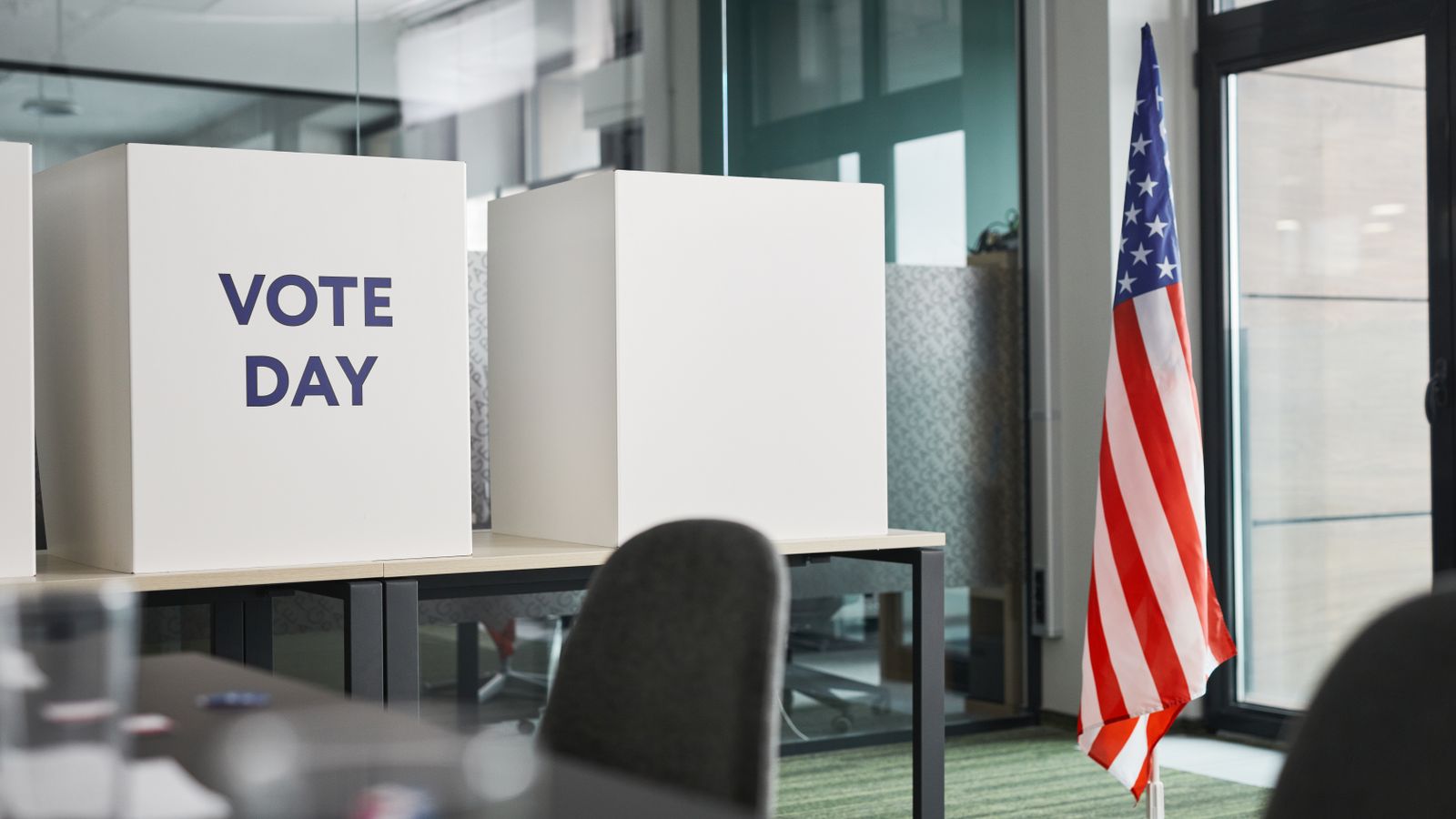
Voting booths with an American flag in an office, symbolizing Election Day.
A new push is underway, but the details are thin
Marijuana Moment's Oct. 5 newsletter led with a new effort to put cannabis on Florida's ballot. The excerpt we reviewed doesn't name the sponsor, the ballot language, the target election year or any signature count. CannIntel hasn't independently confirmed those details, and we won't guess at them.
That gap matters. Sponsor, text and calendar tell you almost everything about a ballot drive's odds.
The 60 percent bar still defines the fight
Florida requires 60 percent voter approval for constitutional amendments, and Amendment 3 missed it in 2024. That measure would have allowed adult-use cannabis for people 21 and older. It drew roughly 56 percent of the vote, a clear majority that still wasn't enough.
Majority support isn't the hard part in Florida. The supermajority is.
The petition process has also changed. A 2025 law, HB 1205, tightened rules for citizen initiative drives, and any new effort operates under that stricter regime, so signature collection and validation are now a bigger obstacle than they were two cycles ago.
The hemp question any Florida text must answer
How a ballot measure defines THC will decide whether it touches the hemp-derived market. Under the 2018 Farm Bill, hemp is cannabis with no more than 0.3 percent delta-9 THC by dry weight. That definition created the THCA loophole.
The chemistry is simple. THCA is non-intoxicating until heat triggers decarboxylation and strips off a carboxyl group, producing delta-9 THC. The mass conversion factor is about 0.877, which is why regulators who test for total THC see a very different number than those who test for delta-9 alone.
Congress moved on this in its November 2025 spending package, which redefined hemp on a total-THC basis, with the change set to take effect in November 2026, according to the legislation. Florida's amendment language, whenever it appears, would sit on top of that federal shift. Whether it carves out, folds in or ignores hemp-derived intoxicants is the open question. The excerpt doesn't say.
What operators and patients should watch
Florida already runs a medical marijuana program, so a new measure would reshape an existing market rather than create one. Licensed medical operators, hemp retailers selling THCA flower and patients all have different stakes in the text.
Four items will tell us the most once they're public:
- The sponsoring committee and its funding
- The filed ballot summary and amendment text
- The definitions of THC, marijuana and hemp
- The election year it targets
Until then, treat any projection of market size or licensing structure as speculation.
The rest of the Oct. 5 cannabis docket
The same newsletter flagged several other developments, each with its own regulatory thread. According to Marijuana Moment's summary, New York hit $4 billion in marijuana sales. Other items covered a Virginia medical cannabis patient survey, a study on medical marijuana for autism and a North Carolina public cannabis use policy. The excerpt gives no further detail on those items.
For full background on this story, see the CannIntel topic hub on the Florida cannabis ballot initiative.
Watch for the filed text, whenever it lands, and for how it defines total THC against delta-9. Nothing here is settled. Expect enforcement to vary if hemp-derived products end up in the gray zone.
Frequently asked questions
What is the new push to put cannabis on Florida's ballot?
Marijuana Moment's Oct. 5, 2026 newsletter reported a new effort to bring cannabis before Florida voters. The excerpt reviewed doesn't identify the sponsor, ballot language or target election year, so those details remain unconfirmed.
Why did Amendment 3 fail in 2024?
Florida requires 60 percent approval for constitutional amendments. Amendment 3, which would have legalized adult-use cannabis for people 21 and older, received roughly 56 percent, a majority but below the threshold.
Could a Florida ballot measure affect hemp and THCA products?
Possibly. The effect depends on how the text defines THC and marijuana versus hemp. The language of the new push isn't public yet, so the impact on hemp-derived THCA products is unknown.
Why does total THC matter for THCA flower?
THCA converts to delta-9 THC when heated through decarboxylation, at a mass factor of about 0.877. Testing only for delta-9 can understate potential THC, which is why regulators increasingly look at total THC.
Sources
The cannabis newsletter you forward to your team.
Federal policy, market data, grower alerts, and the one story that matters today. Sent every weekday at 7am. Free.
No spam. Unsubscribe with one click. 21+ only.
Related from Laws

Blanche Says Lucas Charges Aren't Aimed at State Cannabis Laws
The attorney general framed the federal case against Virginia's Senate president pro tem as conduct-based, not a move against state marijuana policy.

DOJ indicts Virginia lawmaker, six others over hemp THC shop
Federal prosecutors charged a Virginia state lawmaker and six others over a hemp THC operation, testing where hemp ends and marijuana begins.

New Jersey Bill Extending Hemp Drink Sales Advances
A bill to extend New Jersey hemp drink sales moved forward Oct. 22, but the public record behind the headline is thin.
More from the newsroom

Virginia Senator Faces Federal Marijuana and Fraud Charges
Marijuana Moment reported Oct. 22 that a top Virginia senator faces federal marijuana and fraud charges; the counts, court and named defendant await confirmation.

Survey of 7,913 German Patients Finds Pharmacy Cannabis Preferred
A survey of 7,913 German medicinal cannabis patients, nearly 90% with experience of both channels, points to the illegal market as a major source of stress.
Virginia Sen. L. Louise Lucas indicted in marijuana business case
The Washington Post reported the indictment of Virginia's Senate president pro tempore, a figure in state cannabis debates. The charging details were not in the initial report.