Filter Report Questions Who Profits When Federal Cannabis Legalization Arrives
Harm reduction publication examines whether legacy operators or MSOs will capture value from federal reform.
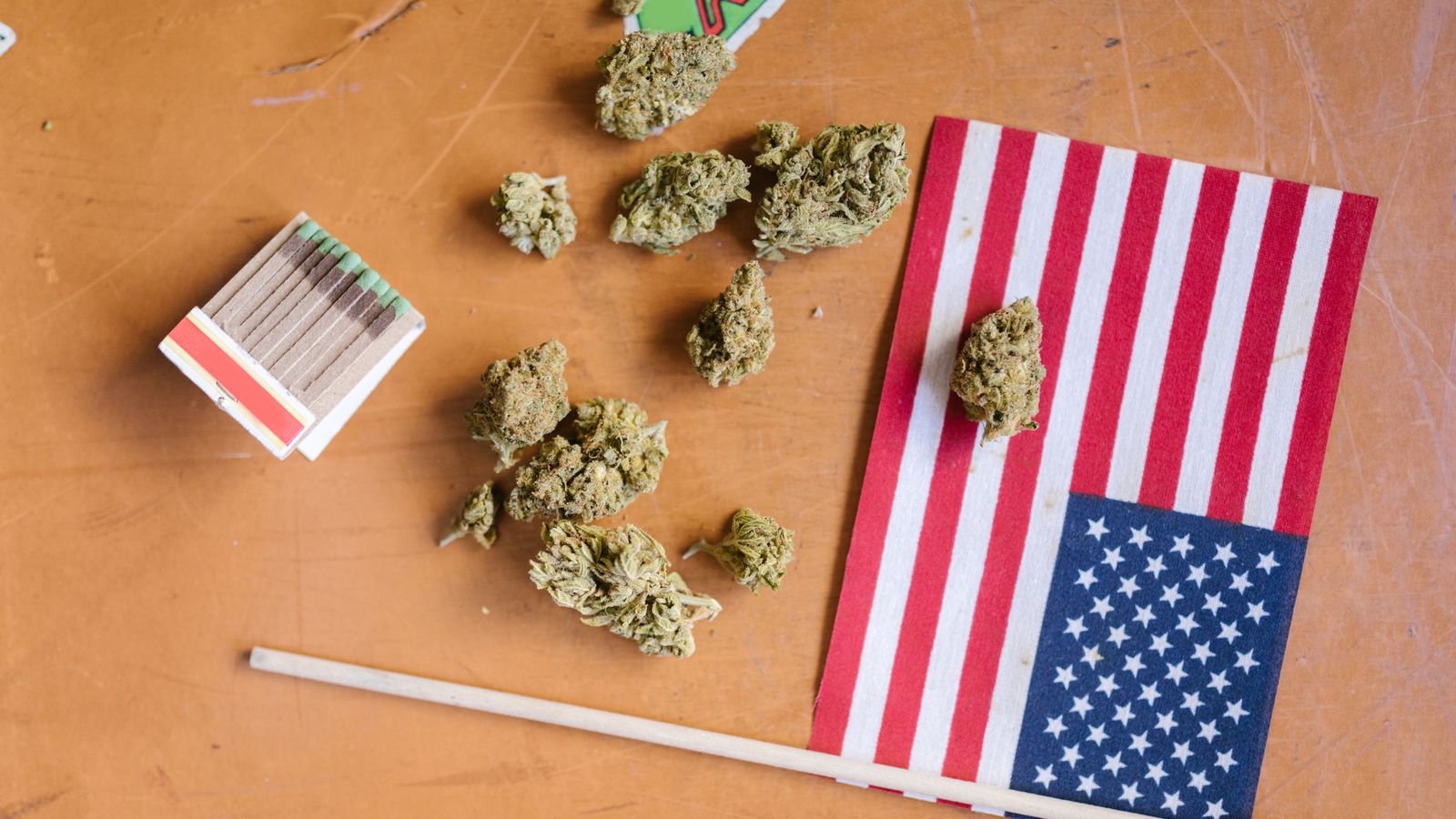
Top view of cannabis buds, matchsticks, and American flag on a wooden table.
Core Thesis: Corporate Consolidation Precedes Federal Reform
Filter's central claim is that MSOs have positioned themselves to capture the majority of post-legalization revenue through market consolidation and lobbying influence. The article doesn't cite specific legislative text or dollar figures. Instead, it frames the debate around structural advantages held by publicly traded cannabis companies with access to institutional capital.
The timing matters. Federal rescheduling or descheduling remains uncertain, but state-legal markets have already consolidated. The top four MSOs—Curaleaf, Green Thumb Industries, Trulieve, and Verano—control roughly 12% of the $30 billion U.S. cannabis market as of Q2 2026 earnings reports.
Legacy Operators Face Capital and Compliance Barriers
The report highlights that legacy cultivators and distributors lack access to banking, investor capital, and compliance infrastructure necessary to compete at scale. Without 280E relief or interstate commerce protections, these operators remain locked out of the formal economy even as federal reform advances.
Filter doesn't propose specific remedies. But it signals concern that federal legalization without accompanying equity provisions will replicate the consolidation patterns seen in alcohol and tobacco.
Social Equity Programs Show Mixed Results
State-level social equity licensing programs have struggled to translate into operational businesses, according to the Filter analysis. In California, fewer than 20% of equity licensees issued between 2018 and 2024 remain active as of June 2026, per DCC data.
The article doesn't attribute this failure rate to a single cause. It notes that equity applicants face the same capital and compliance barriers as legacy operators, compounded by lack of industry experience and mentorship.
The question isn't whether federal legalization will happen—it's whether the framework will lock in the current power structure or create pathways for those most harmed by prohibition.
MSO Lobbying Spend Exceeds $40 Million Since 2020
Publicly traded cannabis companies have spent more than $40 million on federal lobbying since 2020, according to OpenSecrets data cited by Filter. This figure dwarfs the combined advocacy budgets of social equity coalitions and legacy market trade groups.
The disparity in lobbying resources suggests that federal reform legislation—whether through SAFE Banking, descheduling, or comprehensive legalization—will reflect MSO priorities: interstate commerce, 280E repeal, and capital markets access.
Federal Framework Remains Undefined
No comprehensive federal legalization bill has advanced to a floor vote in the 119th Congress as of July 2026. The DEA's proposed rescheduling to Schedule III remains in NPRM comment review. No final rule issued.
Filter's analysis operates in this vacuum, projecting outcomes based on state-market precedent rather than specific federal legislative text. The absence of a concrete bill makes it difficult to assess whether equity provisions will be included or enforceable.
What Comes Next
The Filter piece doesn't offer policy prescriptions, but it frames the debate for advocates and policymakers. The next legislative signal will be the Senate's response to any House-passed cannabis banking or tax reform bill in the fall 2026 session.
For full background on federal reform dynamics, see the CannIntel topic hub on drug war end and cannabis legalization. The equity vs. consolidation tension will define the next phase of this policy fight.
Sources
The cannabis newsletter you forward to your team.
Federal policy, market data, grower alerts, and the one story that matters today. Sent every weekday at 7am. Free.
No spam. Unsubscribe with one click. 21+ only.
Related from Laws

Indian Editorial Urges Cannabis Reform as Policy Debate Gains Ground
The Statesman calls for India to reconsider cannabis prohibition amid growing global momentum for legalization.
Ohio Judge Blocks Hemp THC Cap on Dormant Commerce Clause Grounds
A federal court halted Ohio's 0.3% total-THC limit for hemp products, finding it likely violates interstate commerce protections.

NORML Intern Draws Parallels Between Alcohol, Cannabis Prohibitions
Summer intern Caroline Breen outlines structural failures shared by both 20th-century prohibitions in policy analysis.
More from the newsroom

Lake Success Cancels Hearing on Nassau County's First Dispensary
Village board pulls July 15 public hearing on proposed cannabis retail license without explanation, stalling Nassau's first adult-use store.

Cannabis Treatment Cuts Agitation in Hospice Dementia Patients, Trial Finds
A cannabis-derived therapy reduced severe agitation in hospice-eligible dementia patients in a controlled trial published this week.

Curaleaf Eyes Spain's New Cannabis Framework for EU Pharma Push
The MSO is positioning its European subsidiaries to capitalize on Spain's regulatory shift toward medicinal cannabis.