Congressmember Says Spending Bill Is Best Shot at Stopping Hemp Ban
A federal spending bill is the best remaining vehicle to head off the December hemp ban, according to a congressmember cited by The Marijuana Herald.
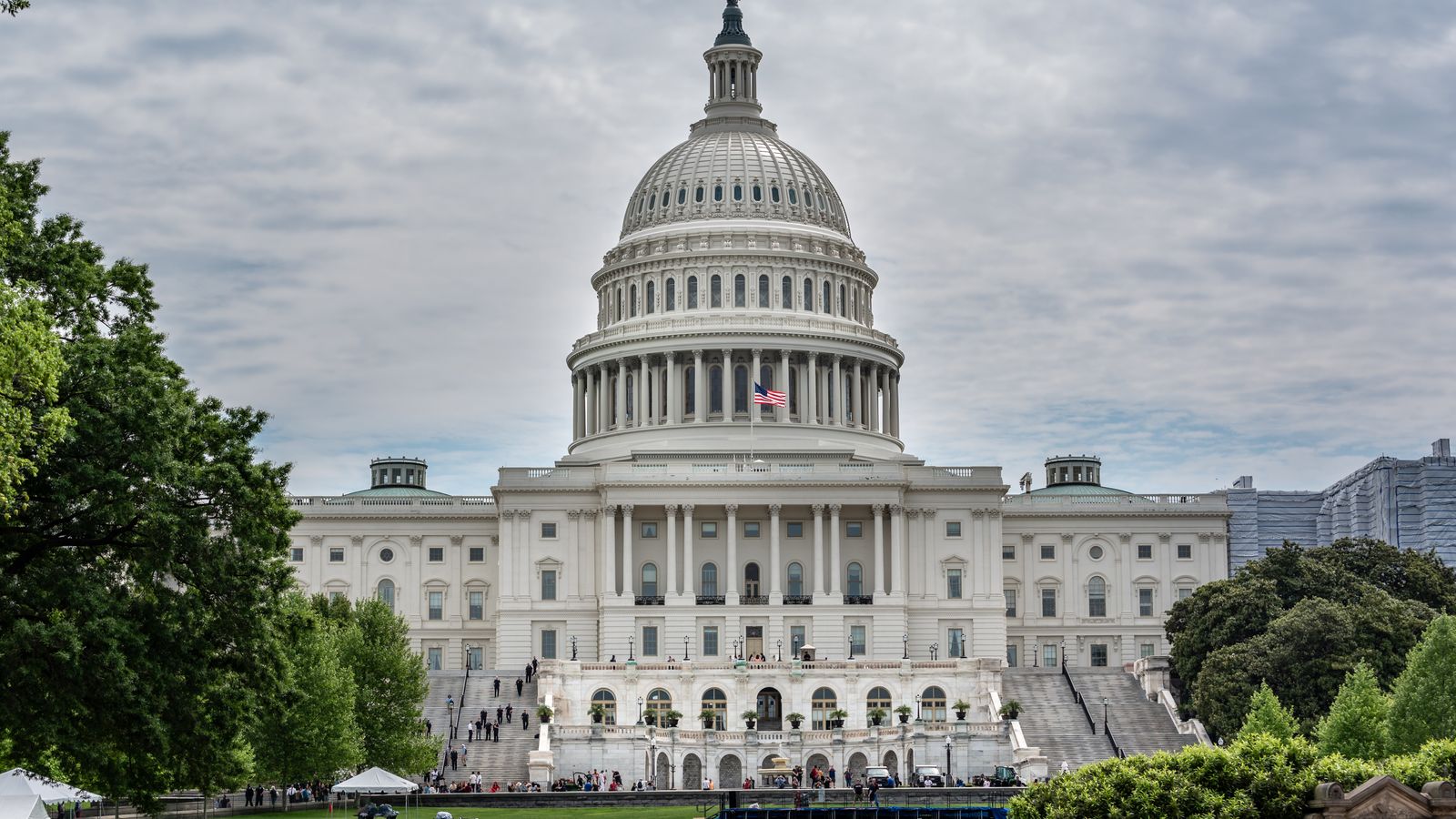
Striking view of the US Capitol sitting majestically in Washington, DC, under a cloudy sky.
A spending bill becomes the only practical vehicle
A congressmember told The Marijuana Herald that the federal spending bill is the most realistic path to stopping the December hemp ban. The report, published Nov. 15, 2026, did not surface in our review with the lawmaker's full remarks, so the specific language in question remains with the original outlet.
The framing is the news. When a member of Congress calls an appropriations package the best chance, it signals that standalone legislation has stalled. Spending bills are must-pass. Almost nothing else is.
What is actually being banned in December
The December deadline traces to the federal hemp definition rewrite that closed what the industry calls the hemp loophole. Our reporting on the underlying statute is collected in the CannIntel topic hub on the Federal Hemp Loophole.
At the core is how federal law treats hemp-derived intoxicating products. The 2018 Farm Bill defined hemp by a 0.3 percent delta-9 THC limit, which let processors convert CBD into other psychoactive cannabinoids and sell them outside state cannabis markets. December is when that gap is slated to close.
Why an appropriations rider is the likely fix
Congress rarely moves cannabis policy as a freestanding bill, but it has repeatedly moved it as a rider on must-pass spending. The best-known example is the long-running appropriations language shielding state medical cannabis programs from Justice Department enforcement.
A delay or modification of the hemp ban would follow the same logic. Attach it to a funding bill, avoid a recorded fight over hemp itself, and let the larger package carry it. That's the playbook. Whether the votes exist is another matter.
Who stands to lose if the deadline holds
Hemp-derived THC producers, distributors, and retailers face the steepest exposure. Many of those businesses built their inventory and sales channels on the current definition, and few have a licensed pivot available.
Licensed marijuana operators in states such as California and Ohio watch this fight from the other side. Some MSOs and independent license holders have lobbied for tighter hemp rules, arguing that unregulated intoxicating products undercut taxed, tested, compliance-heavy markets. The industry isn't unified here, and that split shapes how hard anyone lobbies.
The calendar problem
The window between mid-November and a December effective date is short, and spending deadlines have a way of compressing it further. Appropriations negotiations commonly run to the last day, and short-term continuing resolutions can strip out policy language entirely.
That's the risk in leaning on a spending bill. Riders get dropped in conference. Leadership trades them away. A lawmaker calling this the best chance is also, implicitly, saying the odds are not good.
What operators should do now
Hemp businesses should plan for both outcomes rather than wait on Congress. That means scenario budgets, inventory sell-through schedules, and early conversations with counsel about state-level options.
Retailers carrying hemp-derived THC beverages, gummies, and vapes face the most immediate inventory question. Banks and payment processors, historically skittish on anything near the federal line, may tighten before the deadline rather than after. Don't assume a last-minute rescue.
What to watch
The next signal is whether hemp language appears in any released text of the spending package. Watch the appropriations committee releases, any manager's amendments, and statements from hemp trade groups. If the language isn't in the text by the time leadership files its final package, the odds of a December delay drop sharply.
For complete background, history, and our ongoing coverage of this story:
Open the CannIntel topic hub →Frequently asked questions
What is the December hemp ban?
It's a federal deadline tied to the rewrite of the hemp definition that closes the hemp loophole. Once in effect, it would restrict intoxicating hemp-derived THC products that have been sold outside state cannabis markets since the 2018 Farm Bill.
Why would a spending bill stop the ban?
Spending bills are must-pass legislation, so policy language attached as a rider can move without a standalone vote. A congressmember told The Marijuana Herald this is the best remaining path to delay or soften the December deadline.
Is a spending bill rider guaranteed to work?
No. Riders are frequently stripped during negotiations, and short-term continuing resolutions often drop policy language entirely. The congressmember's framing as the best chance implies the outcome is uncertain.
Who is most affected by the hemp ban?
Hemp-derived THC producers, distributors, and retailers face the greatest exposure because their products rely on the current federal hemp definition. Licensed state cannabis operators are also affected, though many favor tighter hemp rules.
Sources
The cannabis newsletter you forward to your team.
Federal policy, market data, grower alerts, and the one story that matters today. Sent every weekday at 7am. Free.
No spam. Unsubscribe with one click. 21+ only.
Related from Laws

Thailand's Medical-Only Cannabis Bill Tests Post-Boom Legal Status
Business of Cannabis maps Thailand's path from 2022 decriminalization to a pending medical-only bill, leaving the legal status of recreational use and hemp-derived products unsettled.

Oklahoma's Top Cannabis Regulator Adria Berry Moves On After 5 Years
Adria Berry, who has led the Oklahoma Medical Marijuana Authority since the state's license boom, is leaving the agency after five years, according to Cannabis Wire.

DEA pushes back on cannabis business suits over rescheduling rules
The Drug Enforcement Administration is contesting litigation from cannabis companies over its rescheduling rules, per Marijuana Moment's Nov. 24, 2026 newsletter.
More from the newsroom

NC Governor's Cannabis Council Lays Out Legalization Plan
A council convened by the governor has outlined a path toward legal cannabis in North Carolina, though the signal supplies no bill number, tax rate, or timeline.

Sweet Flower, UFCW 770 Reach Tentative Deal After Strike Vote
Los Angeles dispensary workers secured retroactive pay and wage increases from Sweet Flower, pulling back from a possible unfair labor practice strike.

Wana Brands Recalls Products Over Child-Resistant Packaging Defects
Wana Brands pulled products over potential child-resistant packaging flaws, putting a fresh test on how North American recall rules compare with European and Canadian regimes.