Federal Lawmakers File Bill to End Cannabis Bans on Security Clearances
Bipartisan legislation would bar federal agencies from denying employment or clearances based solely on state-legal cannabis use.
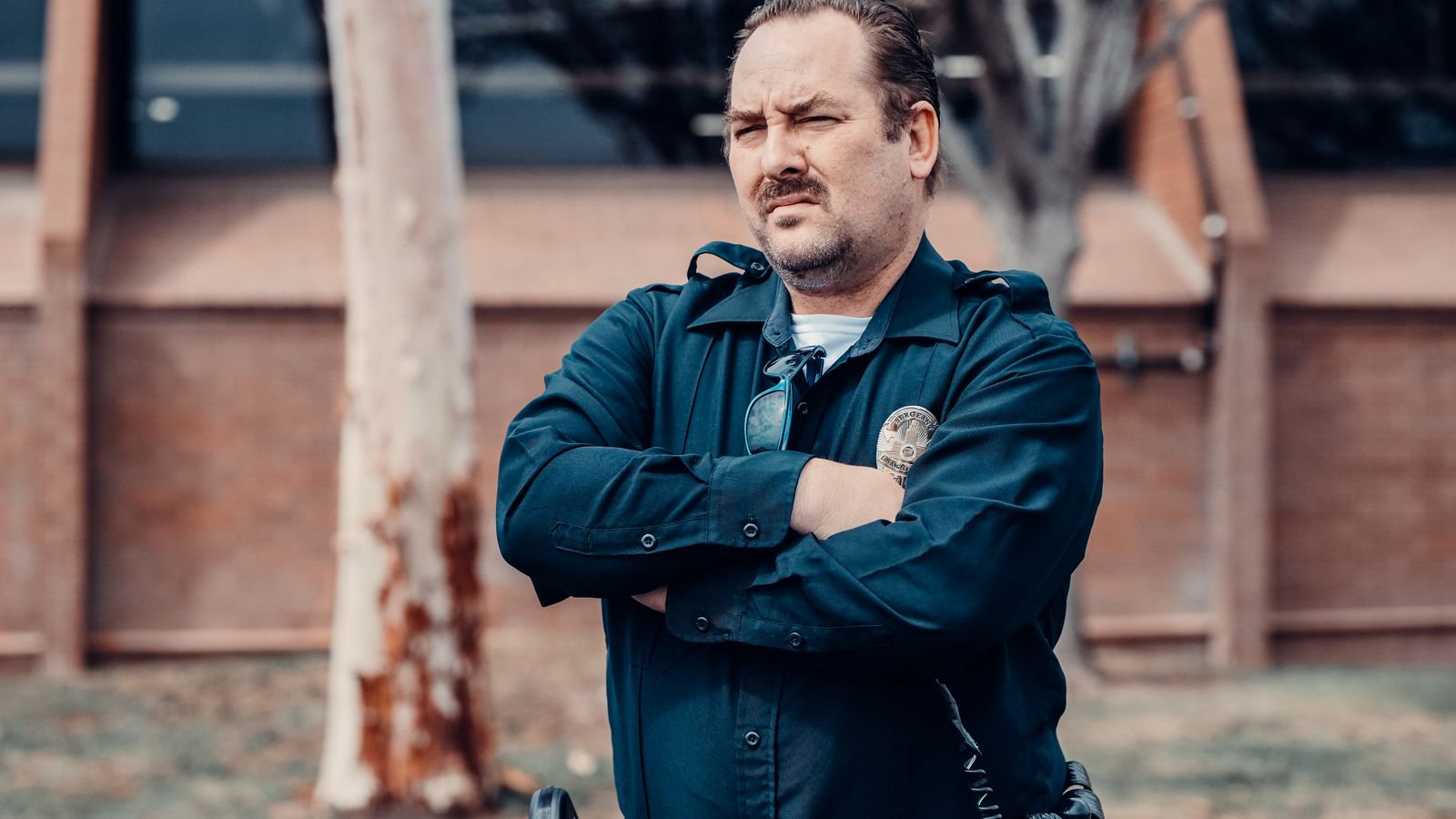
A determined police officer standing with arms crossed outside a building, showcasing authority.
Bill Bars Clearance Denials Based on State-Legal Cannabis Use
The legislation would amend existing security-clearance statutes to prevent federal agencies from using state-legal cannabis consumption as a disqualifying factor. Under current policy, applicants for Secret, Top Secret, and Sensitive Compartmented Information (SCI) clearances routinely face denial or delay if they disclose cannabis use, even in states where adult-use or medical programs operate legally. The bill doesn't mandate clearance approval. It removes cannabis use as an automatic disqualifier.
The measure applies to all federal employment decisions, including hiring, promotion, and retention. It covers civilian employees, contractors, and military personnel. Agencies would retain discretion to evaluate other conduct or security risks on a case-by-case basis.
Bipartisan Sponsors Include House and Senate Members
The bill was filed simultaneously in the House and Senate with bipartisan co-sponsors from both chambers. Lead sponsors include members of the House Oversight and Reform Committee and the Senate Judiciary Committee, though specific names weren't disclosed in initial reports. The timing follows months of advocacy by veterans' groups and civil-liberties organizations that have documented clearance denials tied to medical cannabis use in states with legal programs.
Congressional staffers familiar with the bill said it's drawn interest from defense-sector employers facing recruitment challenges. One aerospace contractor told lawmakers that cannabis-related clearance denials have eliminated otherwise-qualified applicants in tight labor markets.
Current Policy Creates Federal-State Legal Conflict
Existing federal guidelines treat cannabis as a Schedule I controlled substance under 21 U.S.C. § 812, creating a conflict with 38 states that have legalized medical or adult-use cannabis. The Office of Personnel Management (OPM) and the Defense Counterintelligence and Security Agency (DCSA) currently instruct adjudicators to weigh cannabis use as a potential security risk, regardless of state law. Applicants who disclose use—even years in the past—often face extended investigations or outright denials.
The federal government's refusal to recognize state cannabis laws has locked qualified workers out of public service, particularly in cybersecurity and STEM fields where demand far exceeds supply.
The bill would require OPM and DCSA to revise adjudication guidelines within 180 days of enactment. Agencies would be prohibited from asking about cannabis use in states where it's legal, though they could still inquire about federal-law violations or use in contexts that suggest impairment on the job.
Veterans and Medical Patients Most Affected by Current Bans
Veterans using state-legal medical cannabis for PTSD, chronic pain, or other service-connected conditions have been disproportionately affected by clearance denials. A 2025 survey by the Veterans Cannabis Project found that 19% of post-9/11 veterans who applied for federal jobs reported clearance delays or denials tied to medical cannabis use. Many had been encouraged by VA providers to try cannabis as an alternative to opioids.
A provision in the bill directs the Department of Veterans Affairs to issue guidance clarifying that medical cannabis use doesn't disqualify veterans from VA employment or benefits. It also requires the Office of the Director of National Intelligence (ODNI) to report annually on clearance-denial rates and reasons, disaggregated by cannabis use versus other factors.
Path Forward Uncertain in Divided Congress
The bill faces an uncertain path in a closely divided Congress, though it's drawn support from both drug-policy reformers and libertarian-leaning Republicans. Similar measures have been introduced in prior sessions but stalled in committee. The current version includes narrower language focused on employment and clearances, avoiding broader cannabis-reform provisions that have complicated past efforts.
For full background on federal cannabis employment policy, see the CannIntel topic hub on federal cannabis employment rights. Observers expect the bill to receive a hearing in the House Oversight Committee before the end of the year, though floor votes in either chamber remain unlikely before 2027. Advocacy groups are preparing testimony focused on workforce-readiness and national-security implications of the current policy.
What to Watch
Committee assignments and hearing schedules will be the first signal of legislative momentum. If the bill advances, expect amendments addressing impairment testing, federal-contractor obligations, and reciprocity with state licensing boards. The next 90 days will show whether bipartisan interest translates into markup votes.
Frequently asked questions
Does the bill legalize cannabis at the federal level?
No. The bill doesn't change cannabis's Schedule I status under the Controlled Substances Act. It only prohibits federal agencies from using state-legal cannabis use as a basis for denying security clearances or employment. Federal criminal prohibitions on cannabis possession and distribution remain in effect.
Would the bill allow current federal employees to use cannabis?
Not explicitly. The bill bars agencies from denying clearances or jobs based on past state-legal use, but it doesn't create a right to use cannabis while employed. Agencies retain authority to enforce drug-free workplace policies and conduct impairment testing. The measure focuses on pre-employment and clearance-adjudication decisions.
How many people are affected by current clearance denials tied to cannabis?
Precise numbers aren't publicly reported, but a 2025 Veterans Cannabis Project survey found 19% of post-9/11 veterans applying for federal jobs faced clearance delays or denials tied to medical cannabis use. DCSA processed over 700,000 clearance applications in fiscal 2025, though the agency doesn't break out cannabis-related denials separately.
What happens if the bill passes?
OPM and DCSA would have 180 days to revise adjudication guidelines. Agencies could no longer ask about cannabis use in states where it's legal or use such disclosures as automatic disqualifiers. Applicants would still face scrutiny for federal-law violations, impairment, or other conduct raising security concerns. The VA would issue guidance clarifying that medical cannabis use doesn't disqualify veterans from VA employment.
When could the bill become law?
The bill was filed September 18, 2026, and must pass both the House and Senate before reaching the president. Observers expect a House Oversight Committee hearing before year-end, but floor votes are unlikely before 2027. Similar measures have stalled in prior sessions. Enactment would require sustained bipartisan support and White House backing.
Sources
The cannabis newsletter you forward to your team.
Federal policy, market data, grower alerts, and the one story that matters today. Sent every weekday at 7am. Free.
No spam. Unsubscribe with one click. 21+ only.
Related from Laws

California DCC Says DEA Won't Answer Rescheduling Questions
State regulator reports federal agency remains silent on key implementation details months after Schedule III move.

Iowa AG Sand Declines to Back Recreational Cannabis at Town Hall
Brenna Bird's successor sidesteps legalization question, citing federal Schedule I status and legislative authority.

Federal Hemp THC Ban Extension Gives Operators Chemistry Problem
The extended compliance window shifts the burden from legal to technical, forcing hemp manufacturers to reformulate or exit.
More from the newsroom

High Tide Posts Record Q2 2027 Driven by German Medical Cannabis Sales
The Calgary-based retailer reported its strongest quarterly performance to date as European expansion accelerates revenue growth.

Latinas in Cannabis Summit Returns to L.A. Sept. 26
Fourth annual gathering convenes entrepreneurs, cultivators, and executives for a day of networking and cultural celebration.

Missouri Recalls Pre-Rolled Joints After Mold Found in Testing
State regulators ordered the removal of contaminated cannabis products from dispensary shelves following failed microbial safety tests.