Federal Government Embraces Medical Marijuana in Policy Shift
The federal stance on medical cannabis has changed, raising questions about enforcement, research access, and state program protection.

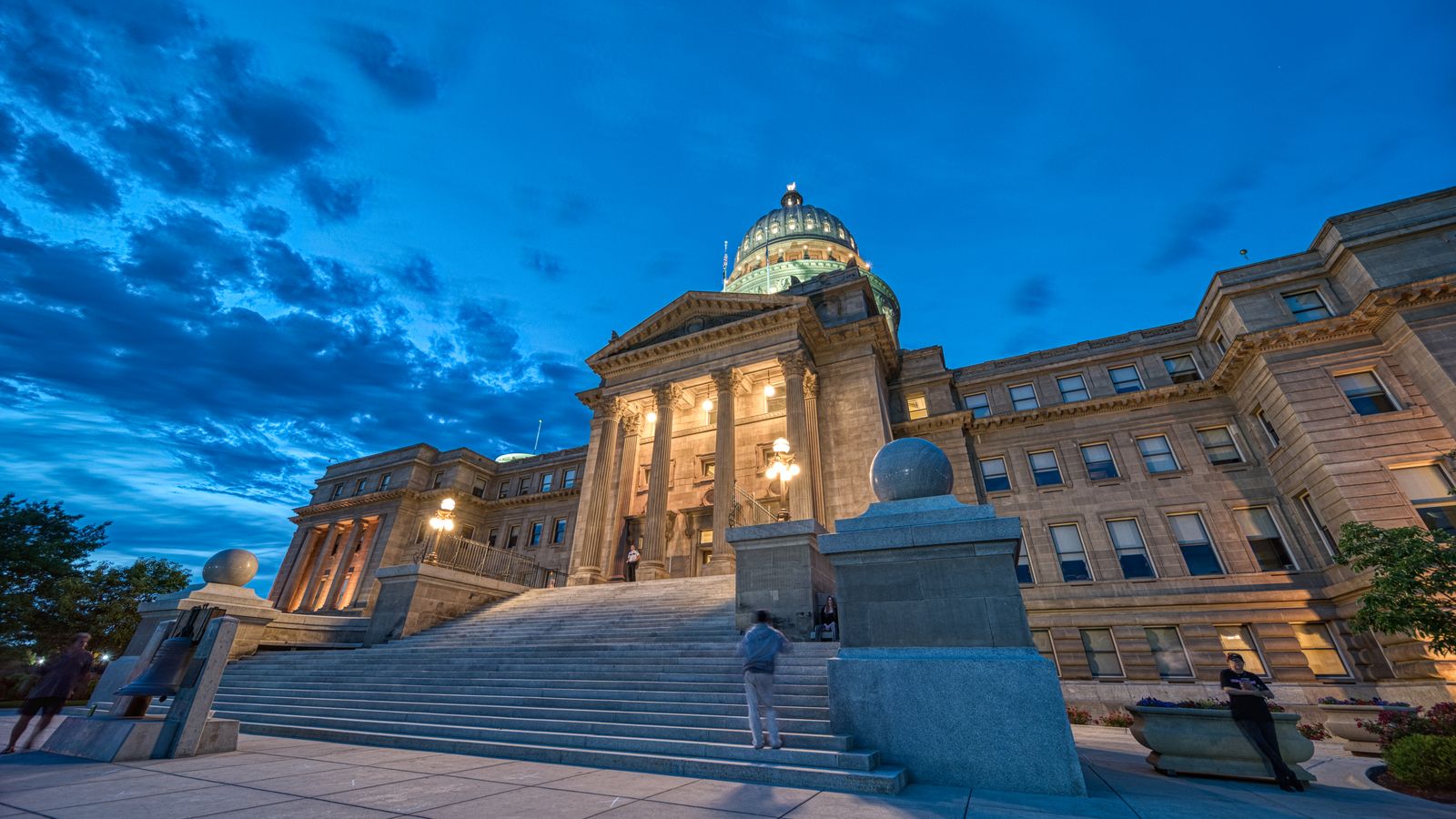
Iconic view of the U.S. Capitol building surrounded by lush trees in Washington D.C.
Federal Recognition of Medical Cannabis
The federal government now acknowledges medical marijuana's therapeutic value, reversing a 50-year policy treating cannabis as having no accepted medical use. This recognition follows the DEA's rescheduling of cannabis to Schedule III under the Controlled Substances Act, a change that took effect earlier this year. The rescheduling was based on a Health and Human Services recommendation citing substantial evidence of medical efficacy in treating chronic pain, nausea, and seizure disorders.
Impact on State Medical Programs
State-licensed medical marijuana programs now operate with reduced federal legal risk, though full protection remains unclear. Thirty-eight states with active medical cannabis programs have been operating in a legal gray zone since the Rohrabacher-Farr amendment first restricted DOJ enforcement against state-compliant operators in 2014. The new federal posture suggests those programs will face minimal interference. But no statute explicitly shields them from prosecution.
Research Access Opens
Federal research barriers have dropped significantly, with the National Institutes of Health announcing expanded grant funding for cannabis studies. NIH issued guidance in April 2026 stating that Schedule III status removes prior restrictions on federally funded research. The University of Mississippi held the only federal cannabis cultivation license for research purposes since 1968—it'll now compete with additional DEA-licensed growers approved under a 2020 rule expansion.
Banking and Tax Relief
Medical marijuana businesses can now deduct ordinary business expenses under Section 280E, saving state-licensed operators an estimated 40 percent in effective tax rates. IRC Section 280E prohibits deductions for businesses trafficking in Schedule I or II controlled substances, but with cannabis rescheduled to Schedule III, medical dispensaries and cultivators can deduct payroll, rent, and operational costs like any other business. The IRS hasn't yet issued formal guidance on retroactive claims.
What Remains Illegal
Recreational cannabis remains federally prohibited, and Schedule III status doesn't legalize medical marijuana under federal law. Cannabis is still a controlled substance. Possession, distribution, and cultivation without DEA registration remain federal crimes. The cleanest read? The federal government won't prioritize enforcement against state-compliant medical operators, but it retains full authority to prosecute.
Interstate Commerce Still Blocked
Medical marijuana can't cross state lines, even between two states with legal programs, because interstate transfer of Schedule III substances requires DEA approval. This restriction forces every state to maintain in-state cultivation and processing infrastructure. Multi-state operators can't ship product from a facility in one state to a dispensary in another, a constraint that inflates costs and limits supply-chain efficiency.
Next Steps for Federal Policy
Congress is expected to introduce legislation codifying protections for state medical programs and establishing federal regulatory oversight. Draft bills circulating in the Senate would create a federal medical cannabis framework similar to the FDA's oversight of prescription drugs, requiring product testing, labeling standards, and physician certification. No bill has advanced to committee markup. For full background on this story, see the CannIntel topic hub on Federal Medical Marijuana Policy.
The next signal will be whether DOJ updates its enforcement priorities in a formal memo, similar to the 2013 Cole Memo that deprioritized cannabis prosecutions in legal states. That memo was rescinded in 2018. No replacement guidance has been issued.
Frequently asked questions
Is medical marijuana legal under federal law now?
No. Cannabis remains a Schedule III controlled substance, meaning possession and distribution without DEA registration are still federal crimes. The rescheduling reduces enforcement priority and removes tax penalties, but it doesn't legalize medical marijuana.
Can medical marijuana businesses now use banks?
Banking access has improved but isn't guaranteed. Schedule III status reduces compliance risk for banks under the Bank Secrecy Act, but many institutions remain cautious. The SAFE Banking Act, which would provide explicit protections, hasn't passed Congress.
What is Section 280E and how does rescheduling affect it?
Section 280E prohibits federal tax deductions for businesses trafficking in Schedule I or II substances. With cannabis now Schedule III, medical marijuana operators can deduct payroll, rent, and other ordinary business expenses, significantly lowering their tax burden.
Can I transport medical marijuana across state lines?
No. Interstate transfer of Schedule III controlled substances requires DEA authorization, which isn't available for cannabis. Even traveling between two states with legal medical programs, crossing state lines with marijuana remains a federal crime.
Will the federal government regulate medical marijuana like prescription drugs?
Not yet. Draft legislation in Congress would create FDA-style oversight for medical cannabis, including testing and labeling requirements, but no bill has advanced. Currently, the FDA has approved only three cannabis-derived drugs: Epidiolex, Marinol, and Cesamet.
Sources
The cannabis newsletter you forward to your team.
Federal policy, market data, grower alerts, and the one story that matters today. Sent every weekday at 7am. Free.
No spam. Unsubscribe with one click. 21+ only.
Related from Laws

DEA Cannabis Form Raises Fifth Amendment Self-Incrimination Concerns
Legal experts warn new DEA registration form may compel applicants to disclose federally illegal activity under penalty of perjury.

Cannabis Edibles Plus Alcohol Impair Drivers Beyond Detection Limits
New research shows combined THC and ethanol consumption produces measurable impairment that current roadside tests cannot detect.

Federal Medical Marijuana Acceptance Leaves Implementation Unclear
After decades of prohibition, federal agencies now recognize medical cannabis — but no regulatory framework exists to operationalize that shift.
More from the newsroom

Alabama Opens First Medical Cannabis Dispensary, Eleven More Licensed
The state's inaugural dispensary began serving patients this week, with nearly a dozen additional locations approved to launch in coming weeks.

Sealed vs Vented Grow Rooms: The Energy Math Nobody Runs
Most growers pick HVAC based on vendor advice, not actual BTU loads. Here's how to calculate whether sealed or vented makes economic sense at your scale.
Oklahoma OMMA Fires Cannabis Specialist from Advisory Council
The Oklahoma Medical Marijuana Authority removed a cannabis specialist from its advisory council, raising questions about governance and stakeholder representation.