Federal Cannabis Overhaul Signed Into Law
President signs sweeping cannabis reform bill ending federal prohibition and establishing new regulatory framework.
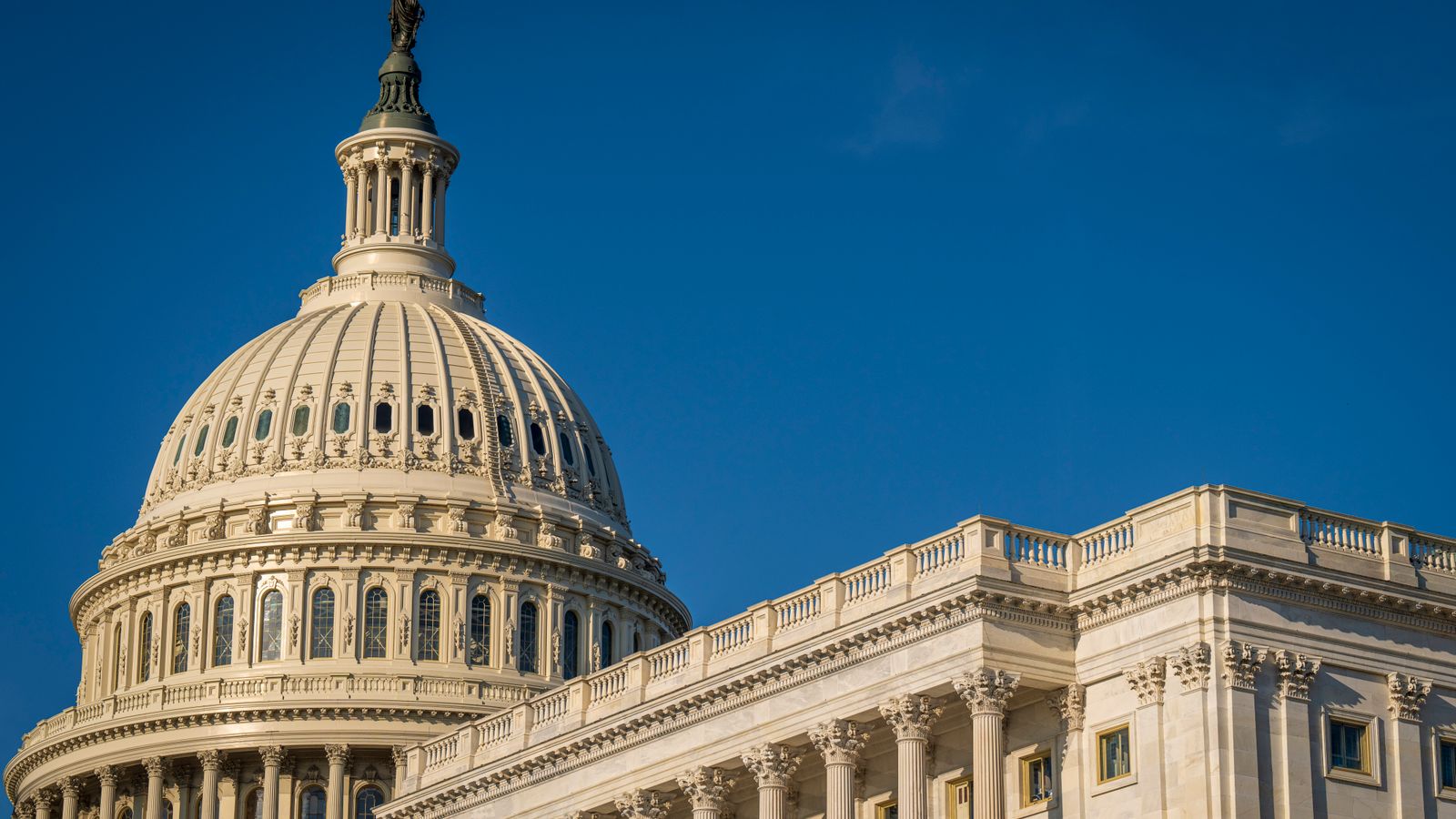
The iconic dome of the United States Capitol against a clear blue sky, showcasing its classical architecture.
Federal Prohibition Ends After 53 Years
Cannabis is no longer a Schedule I controlled substance under 21 U.S.C. § 812, effective immediately upon the President's signature July 2, 2026. The Cannabis Overhaul Act removes marijuana and all derivatives containing more than 0.3% delta-9 THC from the five-schedule framework established by the Controlled Substances Act of 1970. The statutory change eliminates federal criminal penalties for cultivation, distribution, and possession of cannabis by adults 21 and older in states that have legalized the substance.
State-level legalization isn't mandatory. States retain authority to prohibit cannabis commerce within their borders under the Tenth Amendment, mirroring the post-Prohibition alcohol framework established by the Twenty-first Amendment in 1933.
Treasury Takes Lead Regulatory Role
The Alcohol and Tobacco Tax and Trade Bureau will issue federal cannabis licenses and collect excise taxes beginning January 1, 2027. The law establishes three license classes: cultivator, processor, and retailer. Interstate commerce in cannabis becomes legal for the first time, but only between federally licensed entities operating in states that permit such transfers.
TTB must publish an interim final rule by October 1, 2026, establishing application procedures, bonding requirements, and record-keeping standards. Applications open November 15, 2026. The agency will review complete submissions within 60 days.
Tax Structure Mirrors Alcohol Model
Federal excise tax is set at $50 per pound of dried flower and $15 per pound of trim, collected at the cultivation level. Concentrates and infused products face an ad valorem tax of 10% of wholesale price. The Congressional Budget Office projects $3.2 billion in first-year collections, rising to $8.7 billion by fiscal year 2031 as interstate markets mature.
Cultivators who pay the per-pound levy are exempt from additional federal taxation on downstream sales by their licensed buyers. This safe-harbor provision addresses industry concerns about cascading tax liability that plagued early state markets.
Section 280E Repealed Retroactively
Internal Revenue Code Section 280E, which barred cannabis businesses from deducting ordinary expenses, is repealed effective for tax years beginning after December 31, 2025. The retroactive effective date allows cannabis operators to amend 2025 returns and claim standard business deductions for rent, payroll, utilities, and other operating costs previously disallowed under the trafficking-income provision.
Treasury estimates the 280E repeal will reduce federal revenue by $1.8 billion annually, offset by new excise-tax collections and expanded income-tax payments from newly profitable operators. The Joint Committee on Taxation scored the overall bill as revenue-positive by $1.1 billion over ten years.
The 280E repeal alone is worth $40,000 to $200,000 per year to a mid-sized dispensary, depending on state tax treatment and whether the operator structured as a vertically integrated entity or a retailer-only model.
Banking Access and Capital Markets Open
Federal depository institutions may now serve cannabis clients without fear of money-laundering prosecution or asset forfeiture under 18 U.S.C. § 1956. The law includes an explicit safe harbor for banks, credit unions, and payment processors that service state-licensed cannabis businesses holding valid federal TTB permits. The Federal Reserve must issue updated guidance to member banks within 30 days of enactment.
Securities and Exchange Commission restrictions on cannabis-company listings are lifted. Nasdaq and the New York Stock Exchange may list cannabis operators without triggering delisting under federal law, though exchange-specific listing standards still apply. Expect the first major MSO uplisting applications in Q4 2026.
Federal Employees and Contractors Face Continued Restrictions
The law doesn't create a right to cannabis use for federal employees, military personnel, or holders of security clearances. Agencies retain authority to enforce drug-free workplace policies under 41 U.S.C. § 8102. The Office of Personnel Management issued guidance July 2 confirming that cannabis use remains a disqualifying factor for positions requiring clearances, even in states where adult use is legal.
Federal contractors must continue to comply with the Drug-Free Workplace Act. No exemption exists for cannabis in workplace-safety regulations administered by the Occupational Safety and Health Administration or the Department of Transportation's drug-testing protocols for commercial drivers.
What Operators Must Do Before January 1
State-licensed cannabis businesses have six months to apply for federal licensure if they intend to engage in interstate commerce or claim federal tax deductions. Operators who remain intrastate-only aren't required to obtain TTB permits, but they forfeit the 280E deduction and can't legally transport product across state lines, even between two adult-use states.
The application process requires a $5,000 non-refundable filing fee, a $50,000 surety bond, and submission of state license documentation, ownership disclosure forms, and premises diagrams. TTB has indicated it'll prioritize applications from operators in states with established track-and-trace systems and solid product-testing requirements. For full background on this story, see the CannIntel topic hub on Cannabis Overhaul Law 2026.
Next major deadline: TTB's interim final rule publication, expected the week of September 23, 2026. That rule will clarify bonding requirements, specify record retention periods, and establish the agency's enforcement posture on diversion and unlicensed interstate transfers. Operators should monitor the Federal Register docket TTB-2026-0004 for updates.
For complete background, history, and our ongoing coverage of this story:
Open the CannIntel topic hub →Frequently asked questions
When does the federal cannabis law take effect?
The Cannabis Overhaul Act took effect immediately upon the President's signature on July 2, 2026. Descheduling is effective now, but the federal licensing regime and excise tax collection begin January 1, 2027. TTB will accept license applications starting November 15, 2026.
Do I need a federal license if I only sell cannabis in one state?
No. Intrastate-only operators are not required to obtain a federal TTB license. However, businesses that remain state-only cannot engage in interstate commerce and may face limitations on federal tax deductions. The 280E repeal applies to all cannabis businesses, but other federal benefits require licensure.
Can I transport cannabis from California to Nevada now?
Yes, but only if both the sender and receiver hold valid federal TTB licenses and both California and Nevada permit interstate transfers under state law. Unlicensed interstate transport remains a federal felony under 21 U.S.C. § 841, even post-descheduling, until the TTB licensing regime is operational January 1, 2027.
Does this law legalize cannabis in all 50 states?
No. The law ends federal prohibition but does not mandate state-level legalization. States retain full authority to prohibit cannabis cultivation, sale, and possession within their borders. The framework mirrors alcohol regulation post-Prohibition, where states like Mississippi remained dry for decades.
What is the federal tax rate on cannabis under the new law?
The excise tax is $50 per pound of dried flower and $15 per pound of trim, collected at the cultivation level. Concentrates and infused products face a 10% ad valorem tax on wholesale price. Cultivators who pay the per-pound levy are exempt from additional federal tax on downstream sales by their licensed buyers.
Sources
The cannabis newsletter you forward to your team.
Federal policy, market data, grower alerts, and the one story that matters today. Sent every weekday at 7am. Free.
No spam. Unsubscribe with one click. 21+ only.
Related from Laws

New Jersey Senate Leaders Back Bill Fining Illicit Cannabis Sellers
A bipartisan bill backed by both Senate leaders would set fines of $10,000 to $250,000 for unlicensed cannabis sellers and close repeat offenders.

Berkshire Eagle Urges No Vote on Massachusetts Question 8
A western Massachusetts newspaper has taken a position on the retail cannabis repeal measure three weeks before the Nov. 3 general election.

NC Poll Backs Legalization as Governor's Council Drafts 2027 Plan
A cross-party majority of North Carolina adults supports legalization, giving the governor's advisory council political cover as it drafts a reform plan aimed at 2027.
More from the newsroom

CBT Guide Lists What Makes a Cannabis Business Buyable Now
Cannabis Business Times published M&A expert guidance on five buyer-sought traits and five fixes, and the framing shows where the deal market sits.

Study flags rising competition in Missouri cannabis market
ABC17NEWS reported a study suggesting Missouri's licensed cannabis market is getting more crowded, raising pricing and margin questions for operators and investors.

High Times Publishes 2026 Cannabis Ballot Guide as Election Nears
High Times posted a 2026 ballot explainer 18 days before the Nov. 3 midterms; CannIntel outlines how to verify any state list against official records.