FDA Readies Hemp THC Rule as Congressional Deadline Nears
The agency is finalizing regulations on hemp-derived products ahead of a statutory deadline that would impose tighter THC limits.

Hands signing a contract with a blue pen, close-up view.
Congressional Mandate Sets Hard Deadline for FDA Action
Congress enacted a statutory provision in the 2026 appropriations bill that requires the FDA to finalize hemp product standards by September 30, 2026, or face automatic THC concentration caps of 0.3 percent total THC in all consumable hemp products. The provision, codified at Section 748 of the Agriculture, Rural Development, Food and Drug Administration, and Related Agencies Appropriations Act, 2026, represents the first time Congress has imposed a hard deadline on FDA hemp rulemaking.
Automatic fallback limits would apply to all ingestible and topical hemp products, including CBD oils, edibles, and cosmetics. Current hemp products on the market frequently contain delta-8 THC, delta-9 THC, and other cannabinoids in concentrations exceeding the 0.3 percent dry-weight threshold established for raw hemp under the 2018 Farm Bill.
FDA's Proposed Framework Expected to Permit Higher Concentrations
The FDA's anticipated final rule is expected to establish a tiered regulatory framework that permits hemp-derived delta-9 THC concentrations up to 5 milligrams per serving in certain product categories, according to two industry attorneys who reviewed draft guidance circulated to stakeholders in May 2026. That threshold would align with limits already in place in several state markets, including California and Colorado. It'd preserve the legal status of most CBD products currently sold in retail channels.
The proposed framework distinguishes between hemp-derived cannabinoids and synthetically derived compounds. Products containing semi-synthetic cannabinoids such as delta-8 THC or THC-O would face separate registration requirements under the Federal Food, Drug, and Cosmetic Act.
Industry Stakes: $28 Billion Market Faces Regulatory Cliff
The hemp-derived cannabinoid market generated $28 billion in retail sales in 2025, according to data from the Hemp Industry Association, with delta-8 THC products accounting for approximately 40 percent of that total. If the congressional fallback provision takes effect, an estimated $11 billion in annual sales would be rendered non-compliant overnight. Manufacturers would be forced to reformulate or withdraw products.
The stakes are existential for mid-sized hemp processors who lack the capital to retool production lines on 90 days' notice.
Major retailers including Walgreens and CVS have already begun pulling high-concentration hemp products from shelves in anticipation of the regulatory shift. Smaller operators face steeper compliance costs. Delta-8 vape cartridges and high-dose gummies are particularly exposed.
State Preemption Question Remains Unresolved
The final rule isn't expected to preempt state laws that impose stricter limits or outright bans on hemp-derived intoxicating cannabinoids, leaving a patchwork of conflicting standards across jurisdictions. Eighteen states have enacted legislation restricting or prohibiting delta-8 THC and similar compounds, while others have adopted permissive frameworks that allow concentrations well above the federal floor.
FDA has historically declined to assert preemption authority over state cannabis and hemp regulations, citing federalism concerns and the agency's limited enforcement bandwidth. That posture isn't likely to change in the final rule, according to former FDA counsel interviewed for background.
What Comes Next: Publication Timeline and Industry Response
The FDA is expected to publish the final rule in the Federal Register no later than August 15, 2026, to allow a 45-day implementation window before the September 30 deadline. The rule will undergo White House Office of Management and Budget review under Executive Order 12866 before publication, a process that typically adds 30 to 60 days to the rulemaking timeline.
Industry groups including the U.S. Hemp Roundtable have urged the agency to include a 180-day compliance grace period for existing inventory, but the statutory language doesn't explicitly authorize such a transition window. For full background on this story, see the CannIntel topic hub on FDA hemp THC regulation.
Watch OMB's regulatory review docket. It'll show when the final rule enters the clearance queue, typically two to four weeks before Federal Register publication.
For complete background, history, and our ongoing coverage of this story:
Open the CannIntel topic hub →Frequently asked questions
What happens if the FDA misses the September 30, 2026 deadline?
Section 748 of the 2026 appropriations act automatically imposes a 0.3 percent total THC limit on all consumable hemp products if the FDA fails to publish final regulations by the statutory deadline. This would render most delta-8 THC and high-dose CBD products non-compliant.
Will the FDA rule preempt state hemp laws?
No. The FDA is not expected to assert preemption authority over state laws that impose stricter limits or bans on hemp-derived intoxicating cannabinoids. States will retain the ability to regulate or prohibit delta-8 THC and similar compounds under their own police powers.
What THC concentration will the final rule allow?
Industry sources who reviewed draft guidance expect the final rule to permit up to 5 milligrams of delta-9 THC per serving in certain product categories, aligning with limits already adopted in California and Colorado. Synthetically derived cannabinoids may face separate registration requirements.
How much of the hemp market is at risk?
Approximately $11 billion in annual sales—40 percent of the $28 billion hemp-derived cannabinoid market—would be rendered non-compliant if the congressional fallback provision takes effect. Delta-8 THC products account for the majority of that exposure.
Sources
The cannabis newsletter you forward to your team.
Federal policy, market data, grower alerts, and the one story that matters today. Sent every weekday at 7am. Free.
No spam. Unsubscribe with one click. 21+ only.
Related from Laws

Pennsylvania passes $50.8B budget, omits marijuana legalization
The state legislature finalized spending without adult-use cannabis language, shelving revenue projections cited by legalization advocates.
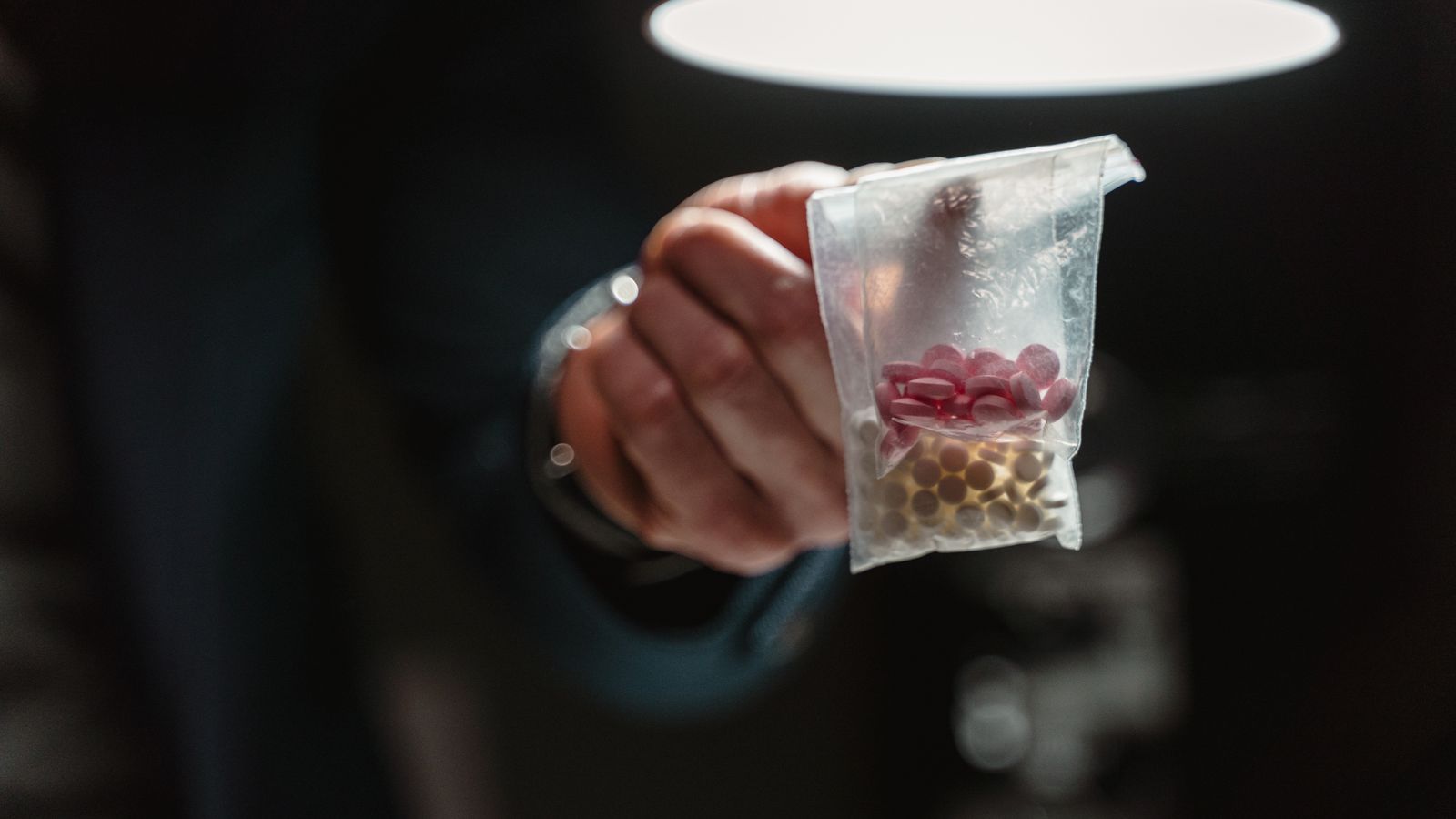
NDLEA Seizes N10.3 Billion in Canadian Cannabis, Arrests Lagos Courier
Nigeria's drug agency intercepted high-grade imported cannabis and methamphetamine in coordinated Lagos operations this week.

DEA Blocks Medical Marijuana Patient From Rescheduling Hearing
The agency denied a petition for a chronic pain patient to testify at the December administrative hearing.
More from the newsroom

Trulieve Expands NYSE Presence as MSO Seeks Broader Investor Access
The Florida-based operator is leveraging its existing NYSE listing to attract institutional capital ahead of federal reform.

Bioxyne Secures German Export Deal as Australia Expands Cannabis Trade
ASX-listed Bioxyne's German supply agreement marks another milestone in Australia's growing medicinal cannabis export sector.

Missouri Cannabis Workers Notch Union Wins as Organizing Spreads
Multiple Missouri dispensaries and cultivation sites have voted to unionize in recent weeks, accelerating labor organizing across the state's adult-use market.