DEA Marijuana Rescheduling Timeline Faces New Delay Risk as July Ends
Administrative hurdles and political headwinds threaten the DEA's proposed move to Schedule III before the 2026 midterms.

The Dwight D. Eisenhower Executive Office Building in Washington, DC, showcasing Second Empire architecture.
Timeline Slippage Threatens Pre-Election Finalization
The DEA's proposed rescheduling rule, first published in the Federal Register in May 2024, has now exceeded the 24-month average timeline for contested Schedule changes under the Controlled Substances Act. Administrative law judge hearings that opened in May 2026 remain ongoing. No final recommended decision has reached DEA Administrator Anne Milgram as of mid-July. Federal rulemaking experts place the earliest possible final rule publication at late September 2026, assuming the ALJ closes the record by early August and the DEA opts not to extend the comment period a second time.
That September timeline would land the rescheduling decision fewer than six weeks before the November 2026 midterm elections. Political operatives in both parties view cannabis policy as a mobilization tool for younger voters, creating incentive for the administration to either accelerate or delay finalization past the election window. The DEA hasn't publicly committed to a target date.
The agency received more than 43,000 public comments during the initial 60-day window that closed in July 2024—the highest volume for any drug scheduling action in DEA history. A subset of those comments triggered the ALJ hearing process, which by statute must allow cross-examination of expert witnesses and can extend timelines by six to twelve months.
280E Relief Remains Contingent on Final Rule
Cannabis operators continue to pay an estimated $1.8 billion annually in non-deductible federal taxes under Internal Revenue Code Section 280E, which bars deductions for businesses trafficking Schedule I or II controlled substances. Rescheduling to Schedule III would render 280E inapplicable, allowing standard business expense deductions for the first time since state-legal markets launched in 2014. Multi-state operators including Curaleaf, Trulieve, and Green Thumb Industries have publicly forecast 15-25% EBITDA margin expansion contingent on 280E repeal.
The IRS has issued no interim guidance on tax treatment during the rulemaking period. Operators filing 2025 tax returns in April 2026 remained subject to full 280E disallowance, and those filing extensions in October 2026 face the same treatment unless a final rule takes effect before the extension deadline. Tax attorneys advise clients to model both scenarios in cash flow projections through Q1 2027.
One complication: even after a final rule, the IRS typically requires a 30-60 day implementation window before updated tax treatment applies. That lag could push effective 280E relief into early 2027 for calendar-year filers.
Interstate Commerce Pathway Hinges on Schedule III Classification
Rescheduling wouldn't legalize cannabis under federal law, but it would remove the statutory barrier preventing interstate transport of Schedule III substances for state-licensed medical use. The Controlled Substances Act permits licensed distributors to move Schedule III drugs across state lines with DEA registration, a framework that doesn't exist for Schedule I substances. Industry analysts project interstate commerce could reduce wholesale flower prices by 18-30% in high-cost markets like New York and Illinois by enabling supply from lower-cost cultivation states.
State-level regulatory fragmentation presents a separate obstacle. Most state cannabis laws explicitly prohibit interstate transfer, and those statutes would require individual legislative amendment even after federal rescheduling. Only three states—Oklahoma, California, and Oregon—have passed conditional interstate commerce frameworks that activate upon federal rescheduling. New York and New Jersey proposed similar bills in 2025 legislative sessions, but neither advanced to a floor vote.
The Congressional Research Service published a memo in March 2026 noting that rescheduling alone wouldn't preempt state prohibitions on interstate transfer. Operators would face a patchwork of state-by-state negotiations even in a Schedule III environment. That reality has tempered investor enthusiasm for interstate-commerce plays.
ALJ Hearing Record Reveals Contested Scientific Claims
Testimony during the May-June 2026 ALJ hearings exposed sharp disagreement over the Health and Human Services Department's August 2023 recommendation that formed the basis for the DEA's proposed rule. HHS concluded that cannabis has accepted medical use and lower abuse potential than Schedule I or II substances—the two statutory criteria for Schedule III placement. Opponents of rescheduling, including the drug-policy group Smart Approaches to Marijuana, presented expert witnesses who challenged the evidentiary basis for both conclusions.
One contested claim: HHS's reliance on state medical cannabis programs as evidence of "accepted medical use." Witnesses for SAM said that FDA approval, not state legislation, defines accepted medical use under the Controlled Substances Act's five-factor test. The DEA has historically required FDA approval for Schedule III placement, a standard cannabis hasn't met outside of three synthetic cannabinoid drugs (Marinol, Syndros, Epidiolex). The ALJ hasn't indicated which interpretation will prevail in the recommended decision.
A second flashpoint centers on abuse-potential data. HHS cited lower dependence rates for cannabis compared to opioids and benzodiazepines, both Schedule II and IV substances. SAM's experts countered with emergency-department data showing rising cannabis-related visits in states with legal markets, though they didn't dispute that absolute harm remains lower than for opioids. The evidentiary record on this question runs to more than 2,400 pages.
Political Variables Cloud Final-Rule Timing
The Biden administration hasn't publicly pressured the DEA to expedite or delay the rescheduling decision, but internal communications obtained under FOIA requests show White House Domestic Policy Council staff flagged the midterm election timeline in at least three memos to the DEA between January and April 2026. Those memos, first reported by Marijuana Moment in May, don't direct a specific outcome but note the "political salience" of cannabis policy for voters under 35, a demographic both parties are targeting in competitive House districts.
If the DEA finalizes rescheduling before November, the administration gains a concrete policy win to mobilize younger voters. Delay past the election insulates the administration from potential backlash in conservative-leaning districts where cannabis legalization polls below 50%. Early finalization could energize opposition turnout. Delay could depress youth turnout and hand Republicans a "broken promise" attack line.
The DEA operates as an independent component within the Justice Department and isn't legally required to coordinate rulemaking timelines with White House political strategy. Administrator Milgram hasn't commented publicly on the election-timing question.
What Happens if Rescheduling Fails
If the DEA ultimately declines to reschedule marijuana—or if a final rule is challenged in federal court and stayed pending appeal—the status quo remains: Schedule I classification, 280E tax treatment, no interstate commerce, and no change to federal criminal penalties for cultivation or distribution. That outcome would likely accelerate state-level decriminalization efforts and renew congressional interest in standalone banking reform, though the SAFER Banking Act has stalled in the House since passing the Senate in 2023.
A failed rescheduling effort would also eliminate the primary rationale for MSO consolidation strategies premised on 280E relief. Several publicly traded operators have delayed M&A activity pending the DEA's final decision, and a Schedule I outcome would likely trigger asset write-downs and revised growth forecasts. Equity analysts at Viridian Capital Advisors estimate a 12-18% downside scenario for MSO valuations if rescheduling doesn't materialize by year-end 2026.
One fallback exists. The FDA could independently approve a cannabis-derived pharmaceutical for a new indication, which would create a narrow Schedule III pathway for that specific formulation without requiring DEA rescheduling of the plant. Jazz Pharmaceuticals and GW Pharma both have late-stage trials underway for cannabinoid therapies targeting epilepsy and chronic pain, with potential approval timelines in 2027-2028. That route wouldn't deliver broad 280E relief but could establish precedent for future rescheduling petitions.
For comprehensive background on the rescheduling process and timeline, see the CannIntel topic hub on DEA rescheduling.
We'll be watching the ALJ's recommended decision, expected between late August and mid-September. That document will either tee up a final rule before the election or push the decision into 2027. The DEA isn't required to follow the ALJ's recommendation, but it rarely deviates from the administrative record without substantial new evidence.
For complete background, history, and our ongoing coverage of this story:
Open the CannIntel topic hub →Sources
The cannabis newsletter you forward to your team.
Federal policy, market data, grower alerts, and the one story that matters today. Sent every weekday at 7am. Free.
No spam. Unsubscribe with one click. 21+ only.
Related from Laws

Nebraska Medical Cannabis Commission Sets Application, Licensing Fees
The commission advanced a fee structure for cultivators, processors, and dispensaries as the state prepares to launch its medical program.

Oklahoma THC Potency Inflation Persists as State Lab Opening Stalls
Lab shopping and inflated cannabinoid results continue unchecked while Oklahoma's regulatory testing facility remains unopened.

D.C. Circuit Weighs Whether DEA Rescheduling Violated Separation of Powers
Oral arguments today revisit a 2015 Yale Law Journal warning that executive control over drug scheduling had eroded constitutional boundaries.
More from the newsroom
Rantoul Places Cannabis Dispensary Question on November Ballot
Illinois village residents will vote on whether to permit adult-use cannabis retail alongside governance structure changes.

Cannabist Co. Closes Denver Facility, Lays Off 50 Workers
The multi-state operator shuttered its Colorado cultivation site as part of ongoing operational restructuring.
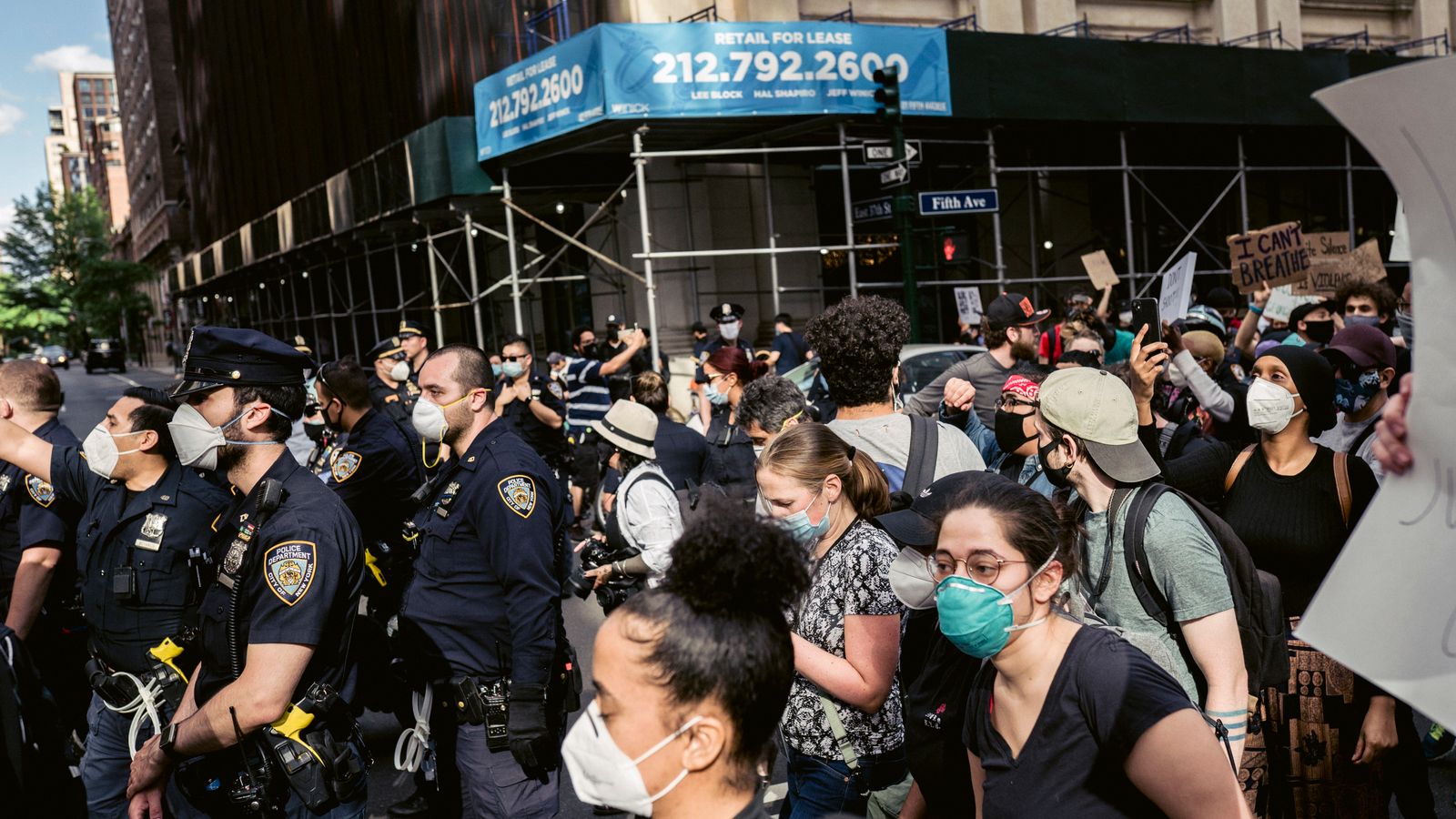
Cannabis Legalization Falls Short Without Expungement, Equity Programs
Legal markets leave thousands with records while new operators profit from reforms that bypass restorative justice.