Auburn Weighs First Cannabis Shop, Opening Local Licensing Question
ABC10 reported the Placer County seat is considering its first cannabis storefront, a decision that turns on California's local-control statute and city tax rules.
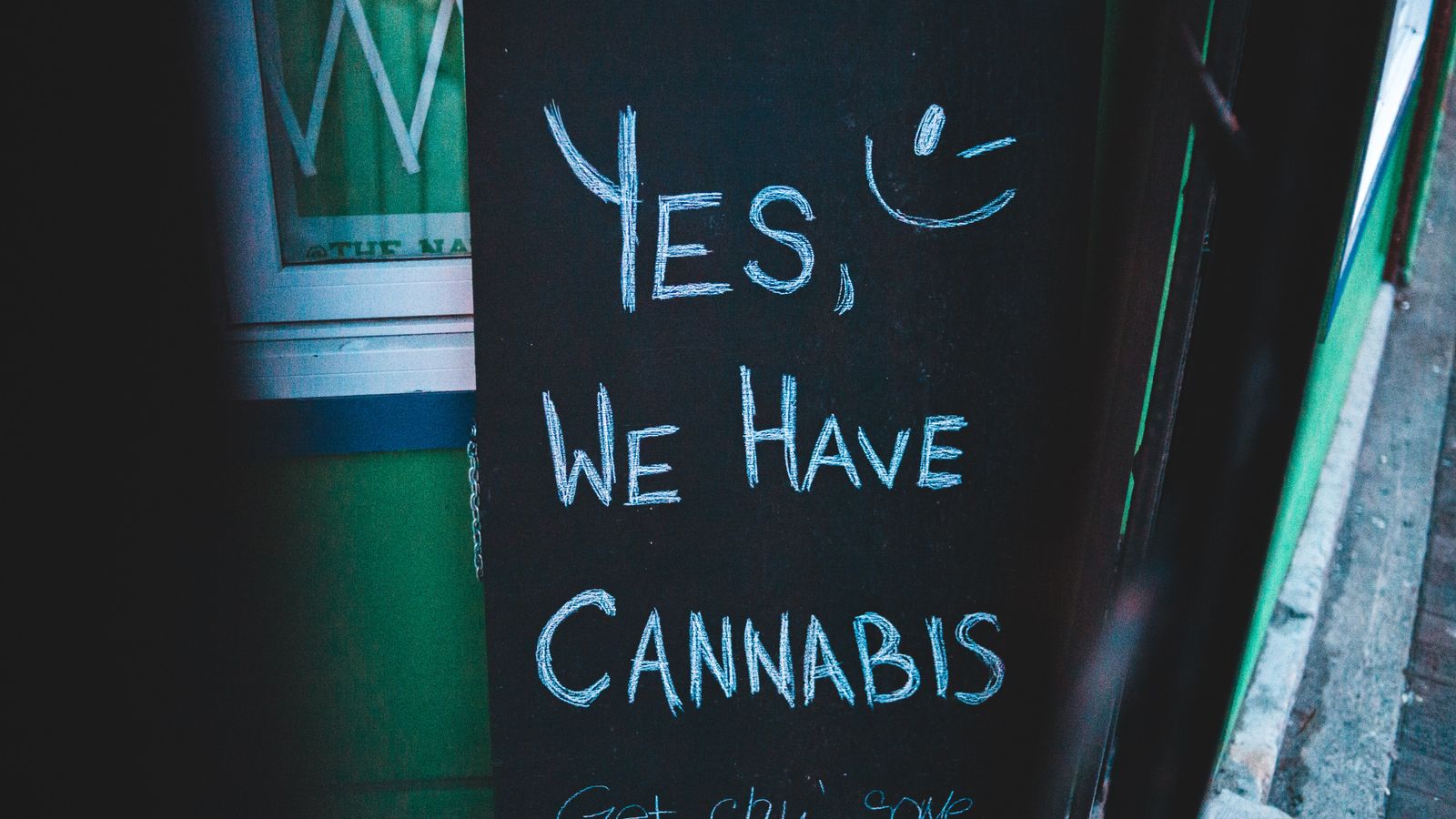
Lettering written on black chalkboard with cannabis offer near house on street of city
What Auburn Is Weighing, and What Isn't Public Yet
Auburn's consideration of a first cannabis storefront is a local land-use decision before it is anything else.
ABC10 reported on Oct. 7 that Auburn could get its first cannabis shop and that the city is weighing the idea. The outlet's headline promises an explanation of why the council is looking at it.
The details CannIntel could verify from that report stop at the headline, and no ordinance number, council vote date, license cap or zoning map is confirmed in the material reviewed, so none is stated here.
That gap matters. Cannabis retail rules live in the fine print.
Here's what a reader should look for when the city publishes its staff report:
- Whether the proposal is a pilot of one storefront or an open licensing framework
- Whether delivery-only (non-storefront) retail is treated differently from storefronts
- Where the city sets buffers around schools and youth facilities
- Whether the council intends to put a cannabis business tax on the ballot
The California Statutes That Frame the Decision
On a strict reading of state law, Auburn holds the gatekeeper role and the state licensing process can't begin without the city's approval.
California Business and Professions Code §26200(a)(1) preserves a city's authority to regulate licensed cannabis businesses through zoning, business licensing and other ordinances. It also lets a city completely prohibit licensed cannabis businesses within its borders. That's why the state has hundreds of jurisdictions with no storefronts at all.
Prop 64 set the statewide framework in 2016, but it didn't override local bans. Cities that stayed dark stayed dark.
A city that opts in still faces layered requirements:
- Local authorization first. The Department of Cannabis Control (DCC) requires applicants to show local approval before it issues a state license.
- State license type. A storefront retailer holds a Type 10 license. A delivery-only retailer holds a Type 9.
- Sensitive-use buffers. Under §26054(b), state law bars licensed premises within 600 feet of a K-12 school, day care or youth center unless the local jurisdiction sets a different distance.
That 600-foot default is a floor the city can adjust in either direction. In a compact downtown, that single number can decide whether a storefront site exists at all.
Tax and Compliance Math for Any Future Auburn Operator
A city that licenses its first shop also decides how much of the revenue it keeps, and the federal tax burden rides on top regardless.
Start with the city's side. Under Article XIII C of the California Constitution, a general tax proposed by a city generally needs majority voter approval, and it's typically placed on a regularly scheduled election ballot for city council seats. A council that wants cannabis revenue in the budget can't simply adopt a gross receipts tax by ordinance. The tax calendar and the licensing calendar are linked.
Now the operator's side. Federal IRC §280E denies deductions and credits to any business trafficking in controlled substances on Schedule I or II, with cost of goods sold the usual carve-out. California declines to follow it for state purposes. Revenue and Taxation Code §17282.5 lets state taxpayers deduct ordinary business expenses from cannabis activity. The result is a split return: the state allows deductions that the federal return doesn't. Operators should confirm the current federal scheduling status with their tax advisers before modeling margins, because that status controls whether 280E applies.
The math is brutal. For thin-margin retail, a new local tax stacked on state excise tax and a 280E-inflated federal bill can erase a storefront's profit on paper.
For a new market, the council's choices carry real weight:
- Tax rate and whether it applies to gross receipts or a flat per-square-foot basis
- Number of permits, which shapes both competition and the city's take
- Community benefit or development agreement terms, if any
Readers who want background on how other California cities have handled this choice can see the CannIntel topic hub on California local cannabis retail policies.
Auburn's decision also lands in a region where Sacramento-area jurisdictions have taken very different paths on retail. A first shop in a city that has never permitted one wouldn't just add a storefront. It would test whether consumers who drive elsewhere are enough to justify the local tax and enforcement burden.
The next signal: whether Auburn publishes draft ordinance text and a ballot measure schedule before any license application can be filed with the DCC.
Frequently asked questions
Is Auburn getting a cannabis dispensary?
Not yet. ABC10 reported on Oct. 7 that the city is considering allowing its first cannabis shop. No approved ordinance, license or opening date was confirmed in the material reviewed. Any storefront would also need state licensing from the Department of Cannabis Control after local approval.
Can California cities ban cannabis shops?
Yes. Business and Professions Code §26200(a)(1) preserves local authority to regulate licensed cannabis businesses or to completely prohibit them within city limits. Proposition 64 didn't override local bans, which is why many California cities have no storefront retail.
What state license does a cannabis storefront need in California?
A storefront retailer needs a Type 10 license from the Department of Cannabis Control. A delivery-only retailer needs a Type 9. In both cases, the applicant must first obtain local authorization from the city or county.
How far must a California dispensary be from a school?
State law under Business and Professions Code §26054(b) sets a 600-foot buffer from K-12 schools, day care centers and youth centers. A local jurisdiction can set a different distance by ordinance, so the final number depends on the city's rules.
Does IRC 280E apply to California cannabis retailers?
Federal IRC §280E denies deductions to businesses trafficking in Schedule I or II substances, and it applies on the federal return. California doesn't conform. Revenue and Taxation Code §17282.5 allows state-level business expense deductions for cannabis taxpayers.
Sources
The cannabis newsletter you forward to your team.
Federal policy, market data, grower alerts, and the one story that matters today. Sent every weekday at 7am. Free.
No spam. Unsubscribe with one click. 21+ only.
Related from Laws

West Virginia Governor Candidates Split on Legalizing Cannabis
A Nov. 23 report from The Real WV shows West Virginia's gubernatorial field divided on adult-use legalization, with hemp and THCA rules in the background.

Senator Urges Colleagues to Concede Intoxicating Hemp Fight
A US senator is pressing Congress to stop trying to eliminate intoxicating hemp products, according to a Cannabis Business Times headline, though the full proposal remains unconfirmed.

Missouri Regulators Seek Input on Marijuana Research License Hurdles
As Missouri's new research license program opens, cannabis regulators are asking prospective applicants what they want to study and what stands in their way.
More from the newsroom

Psychology Today Reopens Cannabis Addiction Debate for Industry
A mainstream psychology outlet's piece on cannabis dependence lands as legalization markets mature, giving regulators and plaintiffs' lawyers fresh framing material.

Illinois Adds 148 Dispensary Licenses to Expand Medical Cannabis Access
A headline count of 148 new Illinois dispensary licenses is out, but the licensing track, timeline, and eligibility rules behind it will decide who actually opens.

DEA Nov. 29 Supply Chain Deadline Leaves Operators in Limbo
DEA guidelines bar registered medical cannabis businesses and timely applicants from transacting with other cannabis firms, drawing lawsuits and unanswered compliance questions days before the cutoff.