Arkansas Regulators to Redraft Dispensary Relocation Rules
State medical marijuana commission returns to rulemaking after earlier framework proved unworkable.

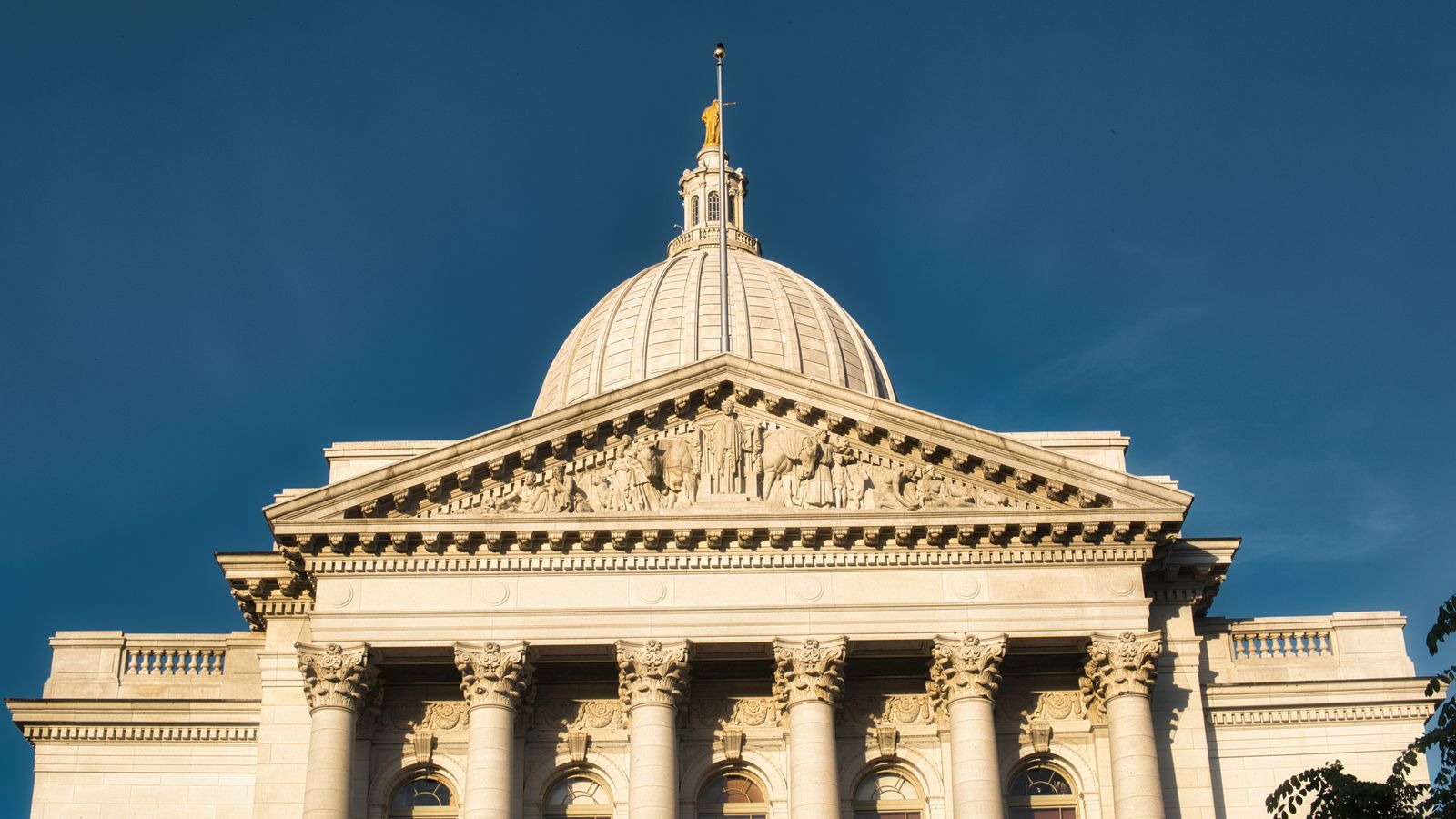
Reflection of Idaho State Capitol in a mirrored building facade in Boise, ID.
Second Rulemaking Attempt After Initial Framework Fails
Arkansas medical marijuana regulators are returning to the drawing board on dispensary relocation rules after the first set proved unworkable. The state's Medical Marijuana Commission will draft new standards for when licensed dispensaries can move to different addresses. That process has created confusion and compliance bottlenecks since the program launched in 2019.
Arkansas is correcting a regulatory gap that's left operators uncertain about expansion and relocation rights. The state issued 32 dispensary licenses in its initial lottery. Those licensees have faced unclear guidance on whether and how they can relocate to serve underserved markets or respond to local zoning changes.
What the New Rules Must Address
The revised framework will need to resolve three core issues: geographic restrictions, approval timelines, and whether relocations count against license caps. Arkansas currently operates under a closed-license system with no new dispensary applications accepted since the original 2017 lottery.
Dispensary operators have reported months-long delays in relocation approvals. Some applications have stalled over questions about whether a move constitutes a new license or a modification of an existing one. The distinction matters for local governments that have imposed distance requirements from schools and churches.
For full background on this story, see the CannIntel topic hub on Arkansas Medical Marijuana Program.
Operational Impact on Arkansas Dispensaries
The regulatory uncertainty has frozen expansion plans for at least six dispensaries seeking to relocate to higher-traffic areas or regions with no current access. Arkansas has 38 licensed dispensaries serving roughly 85,000 registered patients, but coverage remains uneven across the state's 75 counties.
Several rural counties have no dispensary within 50 miles. Operators in urban markets have sought to open satellite locations or move existing licenses to underserved areas, but the lack of clear relocation rules has made those plans legally risky.
Timeline and Next Steps
The commission hasn't announced a timeline for the new rulemaking, but Arkansas administrative procedure requires a 30-day public comment period before any rule takes effect. The earliest workable rules could be in place is late 2026, assuming the commission moves quickly and avoids the legal challenges that have slowed other aspects of the program.
Arkansas voters will also decide in November 2026 whether to approve adult-use legalization, which could render the medical relocation rules moot or require a third rewrite to account for dual-market dynamics. Nobody can model whether the commission delays final rules until after that vote.
Sources
The cannabis newsletter you forward to your team.
Federal policy, market data, grower alerts, and the one story that matters today. Sent every weekday at 7am. Free.
No spam. Unsubscribe with one click. 21+ only.
Related from Laws

Germany to Soften Cannabis Insurance Reforms as Exilby Row Grows
Berlin is backing off planned cannabis insurance changes while a lobbying dispute involving Exilby escalates, according to a Business of Cannabis report.
Missouri DHSS Proposes Changes to Cannabis Facility Ownership Rules
The Division of Cannabis Regulation is proposing edits to facility ownership, employment and general facility rules, including how rule violations affect ownership.

Lawsuit Says NJ Sen. Mukherji Used Straw Owners in Cannabis
A lawsuit reported by Politico says the New Jersey Democrat recruited political allies as majority owners so his cannabis businesses could meet social equity rules.
More from the newsroom
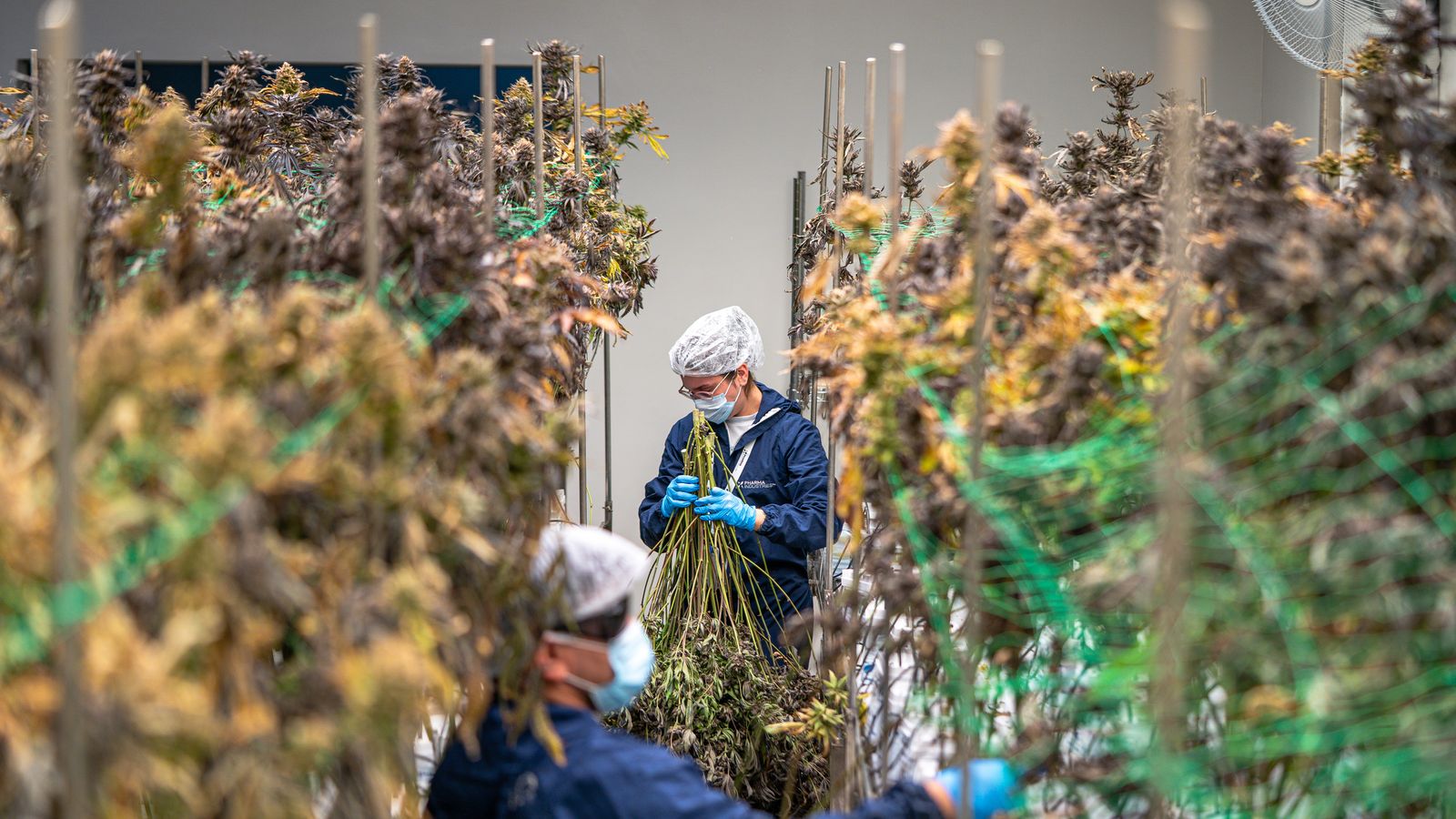
Cannai Farm takes part in Australian-first cannabis grow course
A Yarra Valley farm has a role in a cultivation course billed as a national first, but the provider and curriculum remain unpublished in the signal.

New York Hosts Reported First U.S. Cannabis Chronic Pain Trial
Cannabis Equipment News reports a New York trial of cannabis for chronic pain; sponsor, design and federal approvals were not in the report CannIntel reviewed.

Curaleaf Raises Aurora Cannabis Offer 25% to US$5 a Share
Curaleaf increased total implied consideration for Aurora to US$5 per share, an 86% premium to Aurora's unaffected price, sharpening a cross-border takeover contest.