Argentina keeps hemp agency under state supervision as licensing lags
HempToday reported Argentina's hemp regulator will stay under state oversight while licensing reforms remain incomplete, leaving operators without a finished rulebook.
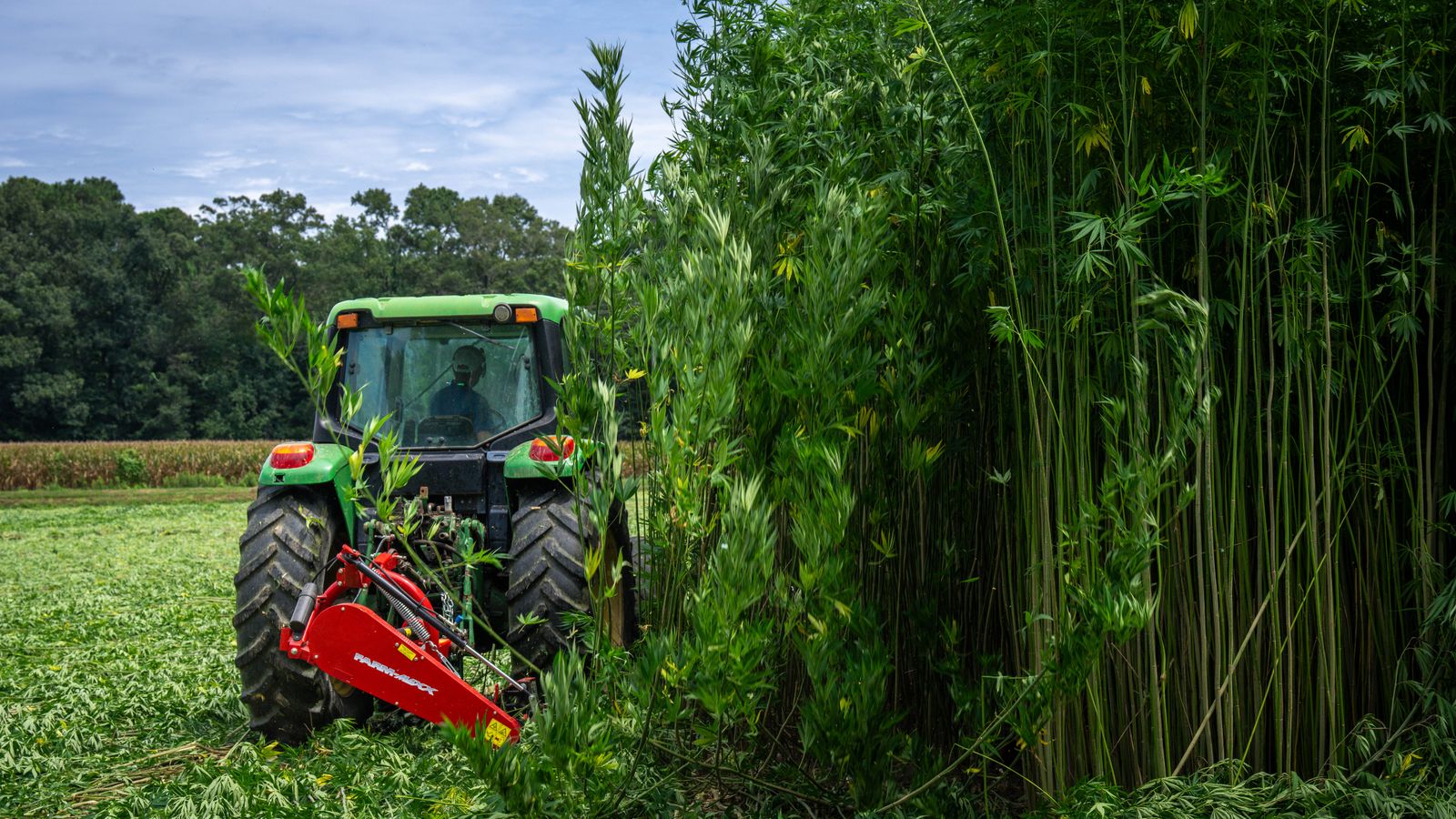
A tractor efficiently harvesting a lush field of tall industrial hemp plants under a clear sky.
HempToday reports the agency stays under state control
Argentina's hemp regulator will remain under state supervision, according to HempToday, while the licensing overhaul tied to it stays incomplete.
The report, published October 12, 2026, carries a headline that does most of the work. It pairs two facts: continued government oversight of the agency, and licensing reforms that haven't been finished.
That pairing is the story. A regulator that survives but can't yet issue a complete licensing structure is a holding pattern, not a program.
On a strict reading, supervision is not the same as authority
State supervision describes who oversees the agency, not whether the agency can license anyone on final terms.
Read strictly, the headline answers an institutional question: who controls the regulator. It doesn't answer the operational one: which license classes exist, what each costs, and who qualifies.
Operators tend to conflate the two. They shouldn't.
Unfinished licensing is the operational problem
Without finalized licensing rules, every hemp business in Argentina is working from interim guidance rather than a settled framework.
A finished licensing regime normally fixes a short list of variables. Until each one is written down, a business case can't be underwritten.
- License categories (cultivation, processing, distribution, research)
- Eligibility and ownership requirements
- Fee schedules and renewal cycles
- Testing standards, including the THC ceiling that separates hemp from regulated cannabis
- Transport and export documentation
HempToday's headline indicates that some of these remain open. We couldn't confirm from the signal which ones.
The compliance exposure sits in the gaps
Regulatory gaps shift risk onto operators, who carry the cost of any retroactive rule once licensing is finalized.
Capital spent on land, genetics and processing equipment now may later meet requirements that didn't exist at purchase. That's the central underwriting risk in any country mid-reform, and a cautious operator treats interim permissions as revocable and documents everything: seed sourcing, lab results, chain of custody.
Tax classification is the second gap. How hemp revenue is characterized, and how inputs are treated, usually follows license status. If the license class isn't settled, the tax treatment isn't either. Argentine tax counsel, not a news report, should answer that question for any specific entity.
The U.S. contrast: why 280E doesn't apply to hemp
In the United States, hemp sits outside IRC §280E because the 2018 Farm Bill removed it from the federal definition of marijuana.
That distinction matters to U.S. investors weighing Argentina. Under §280E, businesses trafficking in Schedule I or II substances can't deduct ordinary business expenses. Hemp at or below 0.3% delta-9 THC by dry weight isn't in that category, so U.S. hemp processors deduct normally.
An Argentine supplier of CBD or fiber feedstock faces no 280E problem on the U.S. side if the product stays within that THC limit. Border documentation and testing are another matter. A shipment that tests hot is a different legal object.
What the signal doesn't tell us
The HempToday headline doesn't identify the decree, resolution or official behind the decision, and CannIntel hasn't independently verified those details.
We have the headline and publication date. We don't have the underlying instrument, a named official, a timeline for the reforms, or the agency's budget. Anything beyond the headline would be guesswork, and we aren't printing it.
Not yet. That's the honest status of the licensing picture.
For full background on how Argentina's framework has developed, see the CannIntel topic hub on Argentina hemp regulation.
What operators and investors should do now
Treat Argentina as an option-value market until a final licensing rule publishes, and tie spending to written regulatory milestones.
- Obtain the primary instrument from the Argentine official gazette and read it literally.
- Confirm the license class, if any, that applies to your activity.
- Ask counsel which tax and customs classifications attach to that class.
- Stage capital so major purchases follow, rather than precede, final rules.
Waiting costs a few months of first-mover position. Guessing wrong on licensing can cost the whole build, so the math isn't close.
The next signal: publication of a final licensing instrument, or any formal timeline for one, from the agency or the government overseeing it. Until then, Argentina's hemp rulebook stays a draft.
Sources
The cannabis newsletter you forward to your team.
Federal policy, market data, grower alerts, and the one story that matters today. Sent every weekday at 7am. Free.
No spam. Unsubscribe with one click. 21+ only.
Related from Laws

Idaho Sets Nov. 3 Vote on Legislature's Sole Power to Legalize Marijuana
A ballot question would decide whether only lawmakers, not voters, can legalize marijuana in Idaho, a state with no adult-use or medical market.

Wholesaler Settles for $2M Over Illegal THC Product Sales
A wholesaler agreed to a $2 million settlement over illegal THC products, but the public record is thin on who, where and what was sold.

North Carolina's $3B Hemp Sector Faces Federal THC Ban Deadline
A federal redefinition of hemp takes effect Nov. 12, 2026, and North Carolina's roughly $3 billion industry is bracing for the cutoff.
More from the newsroom

Illinois Cannabis Use Rises While State Tax Revenue Dips
The Chicago Sun-Times reported Oct. 12 that Illinois consumption is climbing as cannabis tax collections slip, a split with consequences for state budgets and operators.
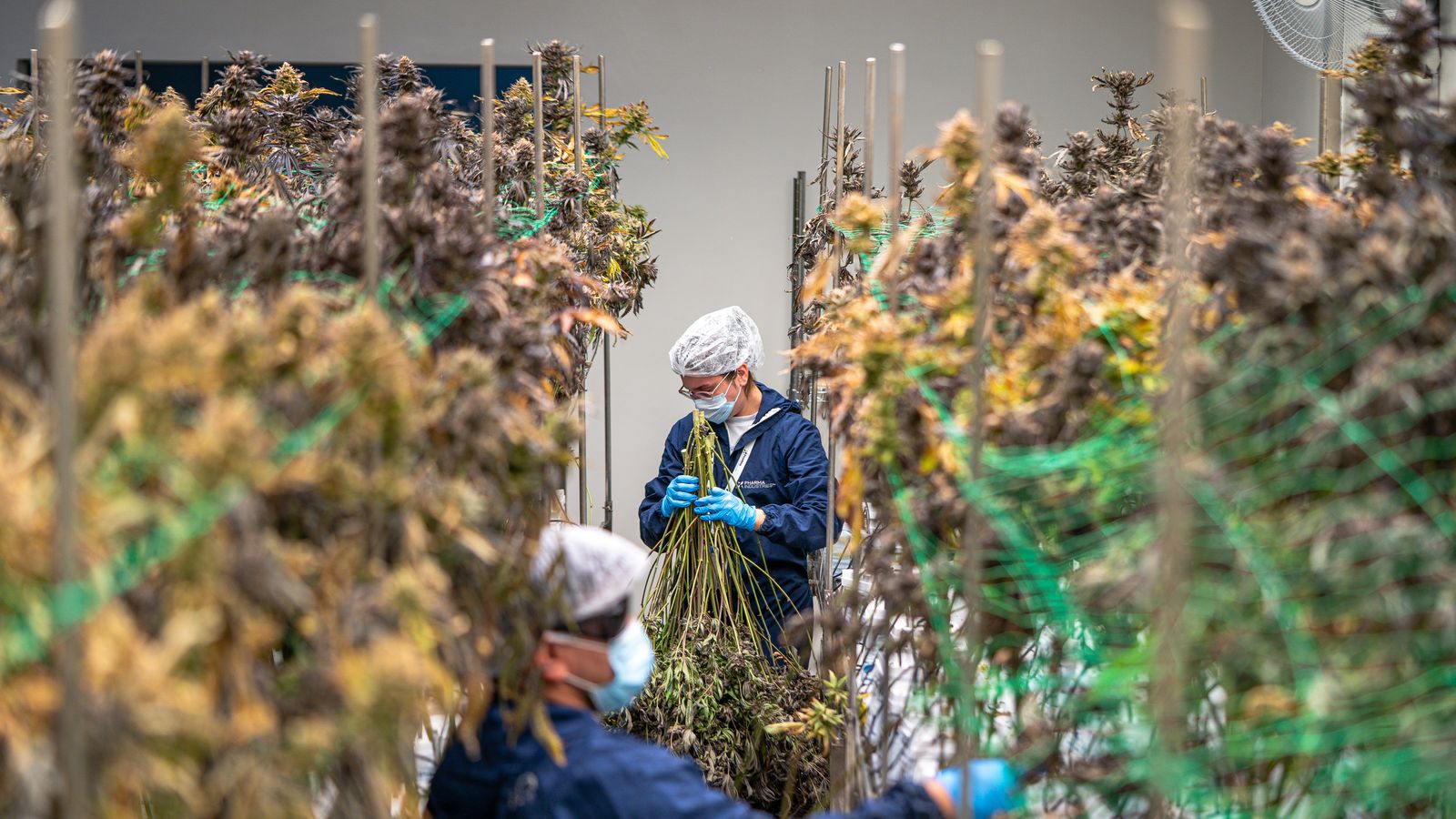
High Times Profiles Brute's Roots' Slow Pheno Bet in South Jersey
High Times Magazine profiled Brute's Roots on Oct. 12, framing the South Jersey operation's strategy around patience and phenotype selection.
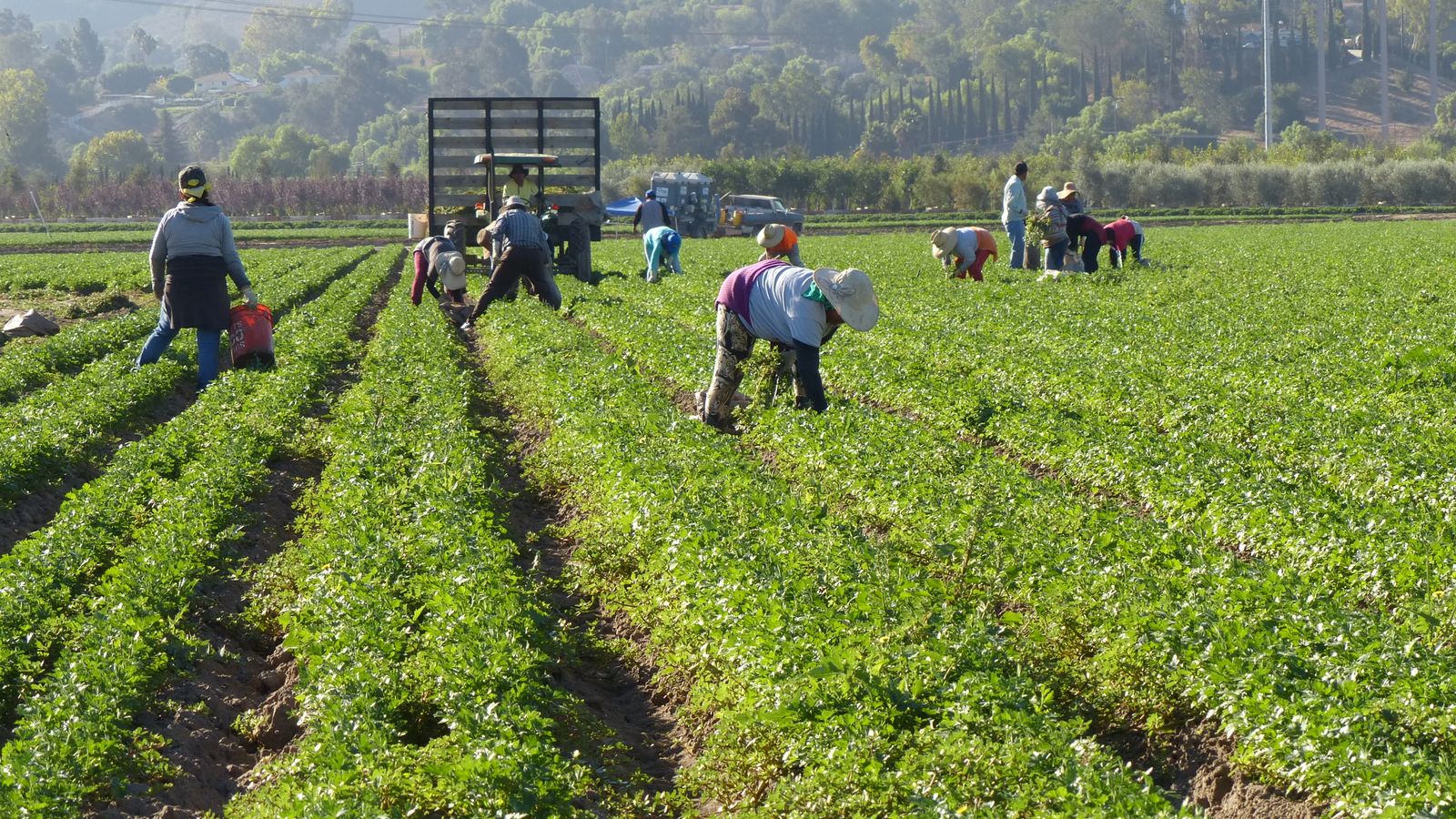
GreenState Reports California Outdoor Farmers' Success Formula
GreenState published a profile of California outdoor growers' success on Oct. 12, mid-harvest. We separate what's confirmed from the agronomy that likely drives results.