Antigua & Barbuda's Cannabis Framework Marks Eight-Year Evolution
The Caribbean nation's regulatory structure has progressed from decriminalization in 2018 to a licensing regime targeting economic diversification.
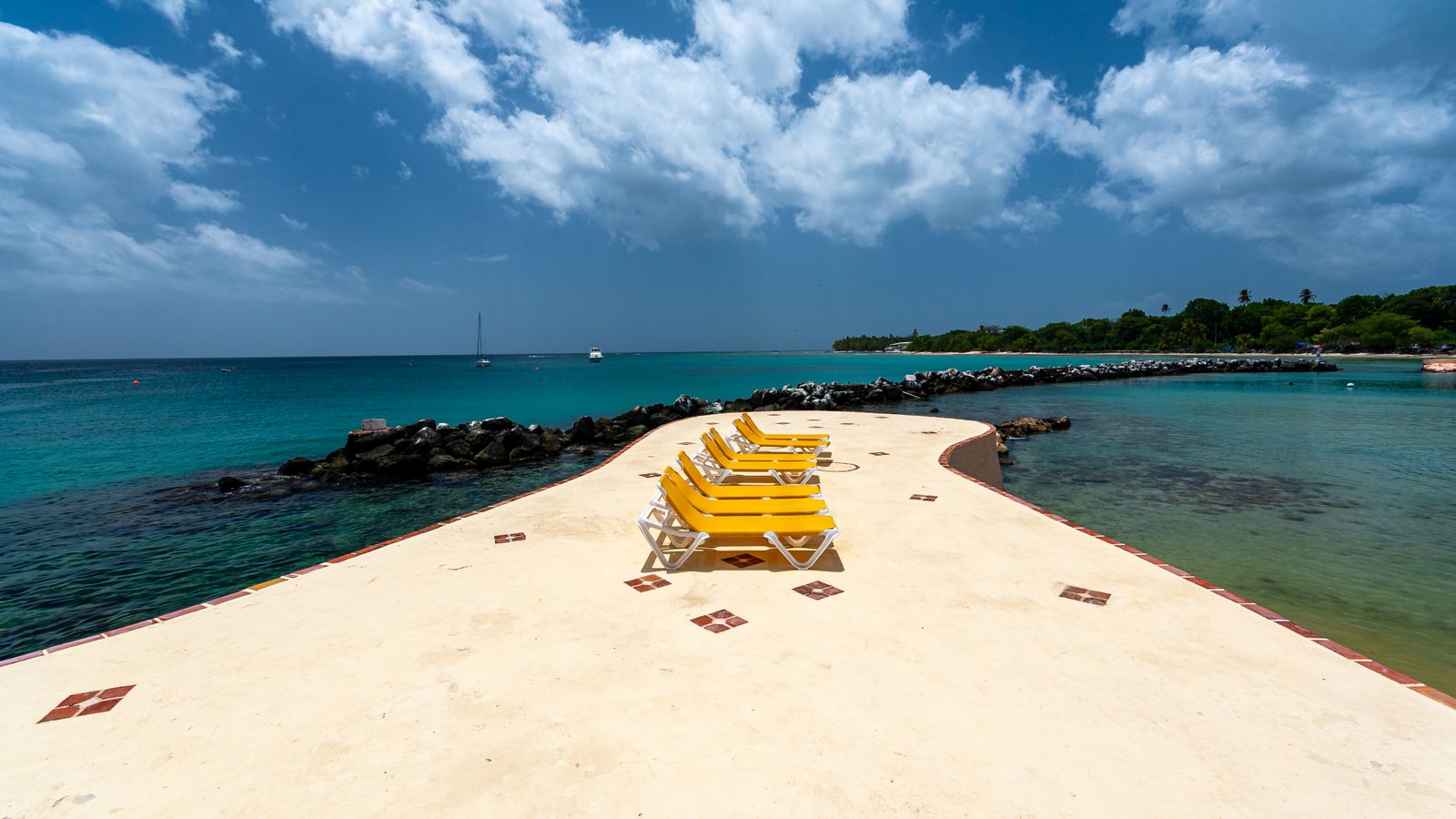
Relaxing beach scene with yellow chairs on a pier in Tobago, perfect for a tropical vacation.
Legislative Timeline From Decriminalization to Licensing
Antigua and Barbuda initiated cannabis policy reform in 2018 with decriminalization measures, followed by incremental licensing frameworks through 2026. The Misuse of Drugs Act amendments passed in 2018 removed criminal penalties for possession of small quantities. That laid the groundwork for commercial regulations. Parliament enacted licensing provisions for cultivation, processing, and retail operations in stages between 2020 and 2024, according to government filings.
The 2026 regulatory update standardized application procedures. It set capital requirements for cultivation licenses. Retail licenses require EC$50,000 in operating capital; cultivation permits mandate demonstrated agricultural capacity and compliance with environmental standards. Processing facilities face separate licensing tiers based on extraction methods and production volume.
Economic Diversification Strategy and Revenue Projections
The government projects cannabis licensing fees and tax revenue will contribute EC$12 million annually to the national budget by 2028. Finance Ministry documents cite cannabis as one component of a broader economic diversification plan targeting reduced dependence on tourism revenue. The ministry allocated EC$3 million for Cannabis Licensing Authority operations in the 2026 budget cycle.
Antigua and Barbuda's GDP stood at approximately EC$4.2 billion in 2025, with tourism accounting for 60% of economic activity. Cannabis represents a single-digit percentage of projected new revenue streams, alongside offshore financial services and renewable energy investments. Licensing Authority chair Marlon Thomas stated in June 2026 that 47 cultivation applications and 22 retail applications were under review.
Regulatory Structure and Compliance Requirements
The Cannabis Licensing Authority operates under the Ministry of Health, Wellness and the Environment, enforcing track-and-trace requirements and product testing standards. All licensees must submit to quarterly inspections. They maintain electronic inventory systems compatible with the national seed-to-sale platform. Testing protocols require third-party laboratory analysis for potency, pesticides, and microbial contaminants before retail distribution.
Cultivation operations face plant-count limits: 500 plants for Tier 1 licenses, 2,000 for Tier 2, and unlimited for Tier 3 export-focused operations. Retail outlets can't operate within 500 meters of schools or places of worship. Advertising restrictions prohibit broadcast media and limit signage to storefront locations. For full background on this story, see the CannIntel topic hub on Antigua & Barbuda Cannabis Program.
Regional Context and Export Potential
Antigua and Barbuda joins Jamaica, Saint Kitts and Nevis, and Saint Vincent and the Grenadines in establishing commercial cannabis frameworks within the Caribbean Community (CARICOM). The nation's regulatory approach mirrors Jamaica's licensing tiers while incorporating stricter capital requirements. Export licenses permit shipment to jurisdictions with reciprocal legal frameworks, though no formal trade agreements have been finalized as of September 2026.
Officials haven't published data on operational licensed facilities or sales volume. Industry observers note that infrastructure challenges—including limited cold storage and laboratory capacity—have slowed the pace of license approvals. Next up: a scheduled regulatory review in Q1 2027, according to the Licensing Authority's published work plan.
Sources
The cannabis newsletter you forward to your team.
Federal policy, market data, grower alerts, and the one story that matters today. Sent every weekday at 7am. Free.
No spam. Unsubscribe with one click. 21+ only.
Related from Laws
New York vows hemp THC beverage crackdown amid illegal retail surge
State officials acknowledge widespread unlicensed sales despite prohibition outside licensed cannabis channels.

Vermont Lt. Gov. Rodgers Settles Cannabis Grow Violation With Reduced Fine
John Rodgers will pay a lower penalty after state regulators found violations at his cultivation business.
San Francisco Releases Draft Cannabis Cafe Rules for Public Comment
City officials seek input on operational standards for on-site consumption venues authorized under AB 1775.
More from the newsroom

Ohio identifies Vapen cartridge in health complaints, store closure
Vext names product after state investigation triggers dispensary shutdown and patient reports.

Teen Cannabis Surveys Miss Rising Use Disorder, Kaiser Study Finds
Self-reported adolescent consumption data diverge from clinical diagnoses, masking treatment gaps in legalized states.

High Tide Reports Record Q3 2026 Revenue, Details Withheld
Canadian cannabis retailer announces record third-quarter results but withholds key financial metrics in initial disclosure.