Alliance Group Loses Drug Test Dismissal Case Over Medical Cannabis
New Zealand's Employment Relations Authority ruled against the meat processor in a wrongful termination dispute involving a worker's medicinal cannabis use.
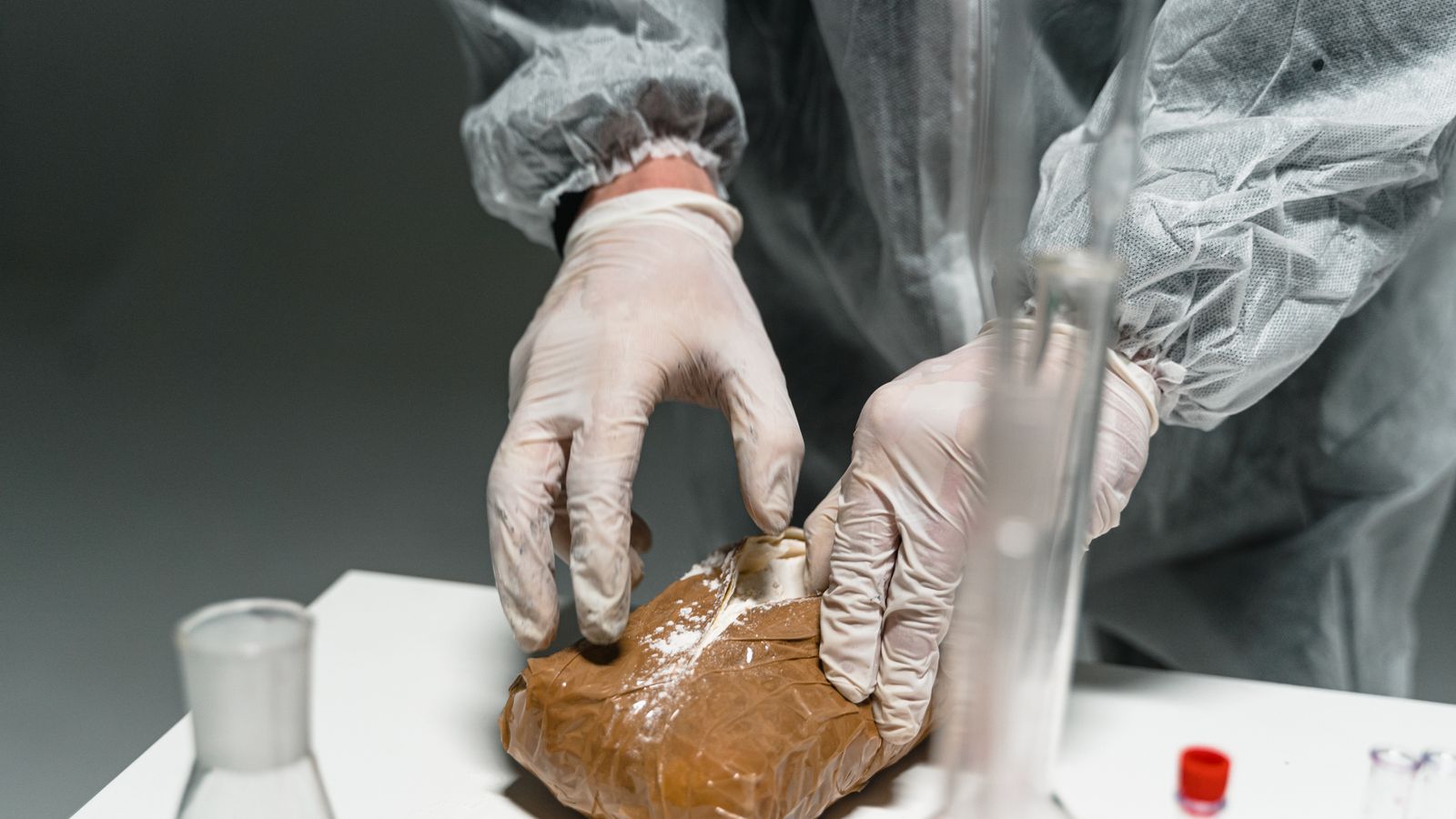
Lab worker analyzes powdered substance in a laboratory setting using safety gear.
ERA Rejects Employer's Summary Dismissal Motion
The Employment Relations Authority denied Alliance Group's application to strike out the worker's personal grievance claim, finding the employer failed to conduct a fair investigation before termination. The decision, issued by ERA Member Rachel Larmer, centered on whether Alliance met procedural fairness requirements under New Zealand employment law when it dismissed the worker following a positive drug test in early 2026.
Alliance argued the termination was justified because the worker violated company drug and alcohol policies by using cannabis, even with a prescription. The ERA found that argument premature. The Authority noted Alliance didn't investigate whether the worker's medicinal cannabis use posed an actual safety risk or whether reasonable accommodations could have been made.
Medical Cannabis Prescription at Center of Dispute
The worker held a valid prescription for medicinal cannabis to treat a chronic condition, a fact Alliance acknowledged but argued was irrelevant to workplace safety policies. New Zealand legalized medicinal cannabis in 2020 under the Misuse of Drugs (Medicinal Cannabis) Amendment Act, allowing patients to access cannabis-based products with a prescription. The law doesn't explicitly protect employees from termination for using prescribed cannabis, though.
A legal gray zone has emerged. Employers retain broad discretion to enforce zero-tolerance drug policies, but the ERA's decision signals that blanket terminations without individualized assessment may fail procedural fairness tests.
Procedural Fairness Standard Applied
ERA Member Larmer ruled that Alliance's failure to investigate alternatives or assess impairment levels before dismissal violated the fair process obligation under the Employment Relations Act 2000. The Authority cited the employer's duty to conduct a reasonable investigation, consider the employee's explanation, and explore less severe disciplinary options before termination.
Alliance conducted a drug test as part of routine workplace safety screening. The worker tested positive for THC metabolites, which can remain detectable for weeks after use and don't indicate current impairment. Alliance terminated the worker within days. No assessment of whether he was impaired at work. No inquiry into whether his cannabis use outside work hours affected job performance.
Safety-Sensitive Role Complicates Defense
Alliance operates meat processing facilities where workers handle sharp equipment and heavy machinery, roles the company classified as safety-sensitive. The employer argued that any presence of cannabis in a worker's system justified termination to protect workplace safety. The ERA didn't dispute the legitimacy of safety concerns but found Alliance failed to demonstrate the worker's specific role required absolute prohibition of off-duty medicinal cannabis use.
This decision doesn't establish a blanket right for medicinal cannabis users to be exempt from drug testing. Instead, it requires employers to assess each case individually, considering the nature of the role, the timing of use, evidence of impairment, and whether accommodations are feasible.
Implications for New Zealand Employers
The ruling creates compliance pressure on employers with zero-tolerance drug policies to revise procedures for handling medicinal cannabis cases. Legal experts noted the decision aligns with a 2023 ERA case involving a truck driver terminated for medicinal cannabis use, where the Authority similarly required employers to prove impairment rather than mere presence of THC.
Employers in safety-sensitive industries face a procedural tightrope — they must maintain drug-free workplace standards while accommodating workers with legitimate medical needs, and the ERA's framework demands documented risk assessments, individualized reviews, and good-faith exploration of alternatives such as role reassignment or modified duties.
For more background on this issue, see the CannIntel topic hub on workplace drug testing and medical cannabis.
Case Advances to Full Hearing
The ERA scheduled a substantive hearing for November 2026 to determine whether Alliance's termination was justified and, if not, what remedies the worker is entitled to receive. Potential remedies include reinstatement, lost wages, and compensation for humiliation and injury to feelings. The worker's legal team indicated they'll argue Alliance's policy effectively discriminates against employees with disabilities who require medicinal cannabis treatment.
Alliance hasn't indicated whether it will appeal the ERA's procedural ruling. The company declined to comment on active litigation. Employers across New Zealand's agriculture, manufacturing, and transport sectors are watching closely, particularly where safety-sensitive roles and drug testing policies intersect with rising medicinal cannabis patient numbers.
Document discovery is due October 15. The substantive hearing will examine Alliance's drug testing protocols, the worker's job duties, and whether less restrictive alternatives were available.
Frequently asked questions
Does New Zealand law protect employees who use medicinal cannabis from termination?
No explicit protection exists. The Misuse of Drugs (Medicinal Cannabis) Amendment Act 2020 legalized medical use but did not amend employment law. Employers retain discretion to enforce drug policies, but the ERA requires procedural fairness and individualized assessments before termination.
What must employers prove to justify terminating a medicinal cannabis user?
Employers must demonstrate they conducted a fair investigation, assessed actual impairment rather than mere THC presence, considered the worker's explanation, and explored reasonable accommodations. Blanket zero-tolerance enforcement without individualized review may fail procedural fairness tests under the Employment Relations Act 2000.
Can drug tests distinguish between impairment and past cannabis use?
Standard urine tests detect THC metabolites that persist for weeks after use and do not indicate current impairment. Saliva and blood tests offer shorter detection windows but are less common. Employers relying on metabolite presence alone face challenges proving workplace impairment.
What happens next in the Alliance Group case?
The case proceeds to a full ERA hearing in November 2026. The worker will argue the termination was unjustified and seek reinstatement plus damages. Alliance will defend its safety policies and termination decision. The ruling could set precedent for medicinal cannabis employment disputes.
Sources
The cannabis newsletter you forward to your team.
Federal policy, market data, grower alerts, and the one story that matters today. Sent every weekday at 7am. Free.
No spam. Unsubscribe with one click. 21+ only.
Related from Laws

Missouri Finalizes Hemp THC Restrictions Despite Federal Delay
State regulators advance intoxicating hemp rules while DEA postpones nationwide ban to 2027.

Mexico Supreme Court Allows Cannabis-Infused Foods for Personal Use
SCJN ruling extends constitutional protections to edibles, marking significant expansion of personal-consumption rights.

One Seattle Officer Issued 80% of City's Marijuana Citations
A single Seattle Police Department officer wrote four out of every five cannabis citations issued citywide, raising questions about enforcement priorities.
More from the newsroom

Local Cannabis Company Secures $15M Financing Round
A Massachusetts-based cannabis operator closed over $15 million in debt financing on September 12, 2026.

California DCC Updates Auditor on Policy Actions After Critical Report
The Department of Cannabis Control briefed state auditors on regulatory reforms following a damning audit earlier this year.

Oregon Police Seize $20 Million Illegal Marijuana Operation
Law enforcement dismantled a large-scale unlicensed cultivation site in central Oregon, highlighting ongoing enforcement challenges in the state's legal market.