LED vs HPS in 2026: the calculation has changed
Modern high-efficacy LEDs hit 3.0 µmol/J. Here's how that recasts the economics versus 1000W HPS.
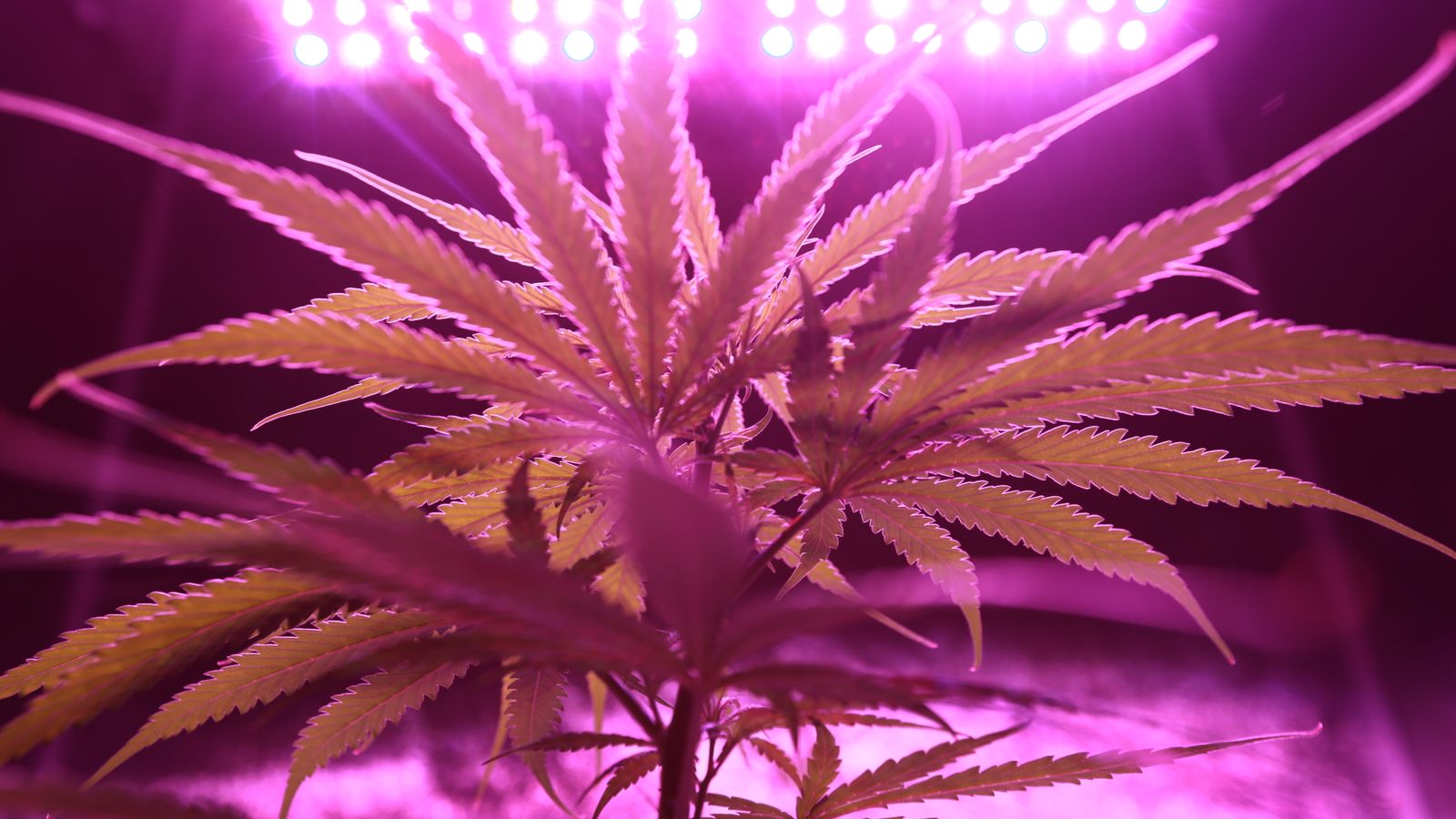
Cannabis grow room illuminated under LED lighting
The LED versus HPS conversation has shifted enough that the older comparison articles you'll find online are mostly wrong now. The 2026 high-efficacy LED fixtures are not the 2018 LED fixtures, and the case for continuing to run HPS in new builds has narrowed to a single use case: capital-constrained operators with cheap electricity and short payback horizons.
The efficacy delta is now decisive
Top-tier 2026 LED fixtures from the manufacturers that publish independently-verified DLC reports achieve 3.0 to 3.1 micromoles of photosynthetically active radiation per joule of electricity. A 1000W double-ended HPS at its rated output sits closer to 1.7 µmol/J. That is not a modest improvement; it is roughly double the photon delivery per kilowatt-hour.
Heat is the second compounding effect
Indoor cultivation HVAC and dehumidification are sized off the sensible and latent heat load from your fixtures and from plant transpiration. Cutting fixture wattage roughly in half for an equivalent PPFD output cuts the HVAC tonnage requirement nearly proportionately. In most U.S. climates, that secondary capital savings on HVAC equipment exceeds the upfront premium of switching to LED — before the operational electricity savings even begin.
Where HPS still makes sense
Two cases, both narrow:
- Greenhouse supplemental lighting in cool climates where the radiant heat is doing useful work warming the air in winter.
- Capital-starved retrofits where the operator cannot finance the LED conversion and can finance another two years of HPS replacement bulbs.
The real 2026 differentiator: spectrum strategy
Once you've chosen LED, the operational discussion stops being about efficacy and becomes about spectrum. Far-red end-of-day strategies, blue-rich early-flower spectra, and dynamic UV supplementation in late flower are where the operators we work with are finding the marginal yield and quality gains. A capable LED fixture with channel-level control is now a meaningful production tool, not just an electricity-saving device.
Frequently asked questions
How efficient are 2026 LED grow lights compared to HPS?
Top 2026 LED fixtures deliver 3.0–3.1 µmol/J of PAR output. A 1000W HPS at rated output sits around 1.7 µmol/J. LEDs are roughly twice as efficient per kilowatt-hour.
Is HPS still worth running?
Only in two narrow cases: greenhouse supplemental lighting in cool climates (the radiant heat is useful in winter), or capital-starved retrofits where the LED conversion can't be financed.
What PPFD should I target in flower?
800–1000 µmol/m²/s at canopy is the standard high-end-flower range for modern hybrids, ramped up gradually from 600 µmol/m²/s in early flower.
Rio has run commercial cannabis cultivation operations across three states and now reports on growing science, genetics, and emerging plant pathologies — including hop latent viroid.
The cannabis newsletter you forward to your team.
Federal policy, market data, grower alerts, and the one story that matters today. Sent every weekday at 7am. Free.
No spam. Unsubscribe with one click. 21+ only.
Related from Grow
Hop latent viroid is now the costliest pathogen in commercial cannabis
How to detect it, why bleach is not enough, and the tissue-culture clean stock pipeline reshaping the industry.

The germination method that consistently pops 95% of seeds
Four steps, 48 to 72 hours, and every mistake we've made so you don't have to.

Outdoor soil prep for 2026: amend the holes, not the transplants
What to mix, when to mix it, and why the week before transplant matters more than the day of.
More from the newsroom

Where DEA cannabis rescheduling actually stands in 2026
The administrative law judge process, the public comment record, and the political calendar between now and a final rule.

The Q1 2026 MSO earnings: who's surviving compression, who isn't
Wholesale prices keep grinding lower. We read every earnings call so you don't have to.
Northern Lights: the original outdoor workhorse, profiled
Genetic background, terpene structure, yield benchmarks, and why this strain is still the default beginner outdoor pick in 2026.