Cannabis Genetics Research Gains Institutional Funding After Decades Underground
Universities and federal labs are now studying cultivar genetics that legacy breeders developed without formal science for 50 years.
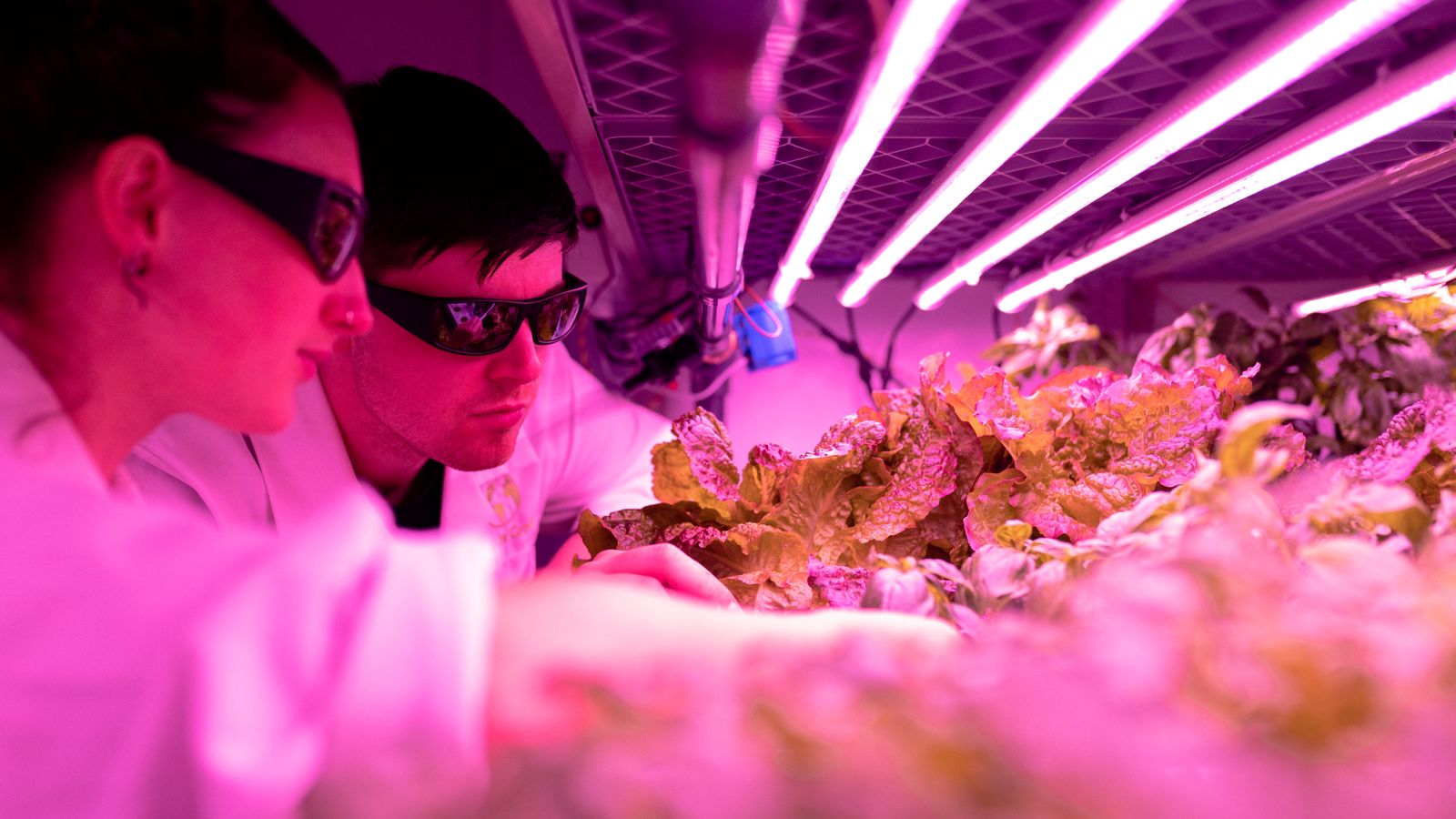
Scientists monitor plant growth under pink LED lights in an indoor farm lab.
Legacy Breeders' Work Enters Academic Labs
Universities in California, Colorado, and Washington are cataloging genetic profiles of cultivars that breeders created without access to gene sequencing, controlled trials, or peer review. The University of California Davis launched a cannabis genomics program in May 2026 to map terpene and cannabinoid pathways in 200 heirloom strains. Colorado State's breeding program is sequencing Skunk #1, Northern Lights, and Haze lineages to identify stable phenotypes for commercial growers.
Decades of selection pressure created cultivars optimized for potency, yield, and pest resistance. Not one published study guided the work. What breeders built through pheno-hunts and open pollination is now getting formal genetic validation.
Federal Labs Join Cultivar Research
USDA's Agricultural Research Service opened a cannabis genetics facility in Mississippi in April 2026, its first since the DEA research monopoly ended. The lab is studying cannabinoid biosynthesis pathways and breeding for disease resistance using germplasm from legacy seed banks. Researchers are focusing on traits growers selected for decades without institutional backing: mold resistance, trichome density, and flowering time that weren't priorities when cannabis was Schedule I.
Key research areas include:
- Terpene expression stability across growing environments
- Genetic markers for powdery mildew and botrytis resistance
- Polyploid breeding to increase cannabinoid concentration
- Photoperiod manipulation for year-round indoor cycles
Losing genetic diversity is the real threat. Labs are racing to preserve landraces and F1 hybrids before commercial monoculture narrows the gene pool.
Growers Skeptical of Academic Timelines
Commercial cultivators say academic research lags decades behind what growers already know from hands-on breeding. A 10-generation pheno-hunt takes 3-5 years in a grow room but 8-12 years in a university trial with grant cycles and peer review. Breeders who developed Gelato, Wedding Cake, and Zkittlez did it without federal funding or lab equipment. Just clones, pollen, and grow tents.
Institutional validation matters for patents and plant variety protection, but growers aren't waiting for published studies to tell them what Northern Lights does under 1,000 PPFD. For more on how legacy genetics are shaping commercial breeding programs, see the CannIntel topic hub on Cannabis Genetics Research.
Frequently asked questions
Why are universities studying cannabis genetics now?
Federal rescheduling and state legalization removed research barriers that kept cannabis genetics out of academic labs for decades. Universities can now study cultivars that legacy breeders developed underground since the 1970s without formal science or peer review.
What cannabis strains are researchers studying?
Labs are focusing on foundational genetics like Skunk #1, Northern Lights, Haze, Chemdog, OG Kush, and Durban Poison—cultivars that growers refined through decades of selection without genetic sequencing or controlled trials.
How long does academic cannabis breeding research take?
A 10-generation breeding trial takes 3-5 years in a commercial grow room but 8-12 years in a university setting due to grant cycles, peer review, and regulatory compliance. Commercial breeders work faster without institutional oversight.
What traits are cannabis genetics researchers prioritizing?
Researchers are studying mold and pest resistance, terpene stability, cannabinoid biosynthesis pathways, and flowering time—traits that growers have selected for decades but never documented in peer-reviewed literature.
Why does genetic diversity matter in cannabis breeding?
Commercial monoculture narrows the gene pool, making crops vulnerable to pests and disease. Labs are preserving landraces and heirloom genetics before widespread cloning eliminates genetic variation that breeders need for future cultivar development.
Sources
The cannabis newsletter you forward to your team.
Federal policy, market data, grower alerts, and the one story that matters today. Sent every weekday at 7am. Free.
No spam. Unsubscribe with one click. 21+ only.
Related from Grow

Pre-Flower vs Week One: What's Actually Happening Inside
The flip doesn't start flowering. Here's the hormonal cascade, metabolic shift, and structural changes between photoperiod switch and true week one.

Compost Tea for Cannabis: Brewing Recipes That Feed Soil
Aerated compost tea delivers microbes, not nutrients. Here's how to brew batches that actually inoculate your soil and what the science says works.

Aphids on Cannabis: Early Detection and Predator-Based IPM
Aphids reproduce in 7-10 days and crash yields fast. Ladybugs and lacewings work, but only if you deploy them before populations explode.
More from the newsroom

Slate Feature Challenges Millennial Cannabis Narrative Amid Health Warnings
Opinion piece highlights gap between legalization-era messaging and emerging research on long-term use risks.

Curaleaf Launches Premium Flower in Germany as Market Matures
U.S. MSO debuts Select Elite brand in German pharmacies, signaling shift from medical-only access to premium consumer positioning.

Illinois Bans Intoxicating Hemp Sales to Minors Under New Law
Gov. Pritzker signed legislation prohibiting minor access to intoxicating hemp products and expanding cannabis equity oversight.