WNBA Drops Marijuana Ban, Adds Psychedelics in New CBA
The league's new collective bargaining agreement removes cannabis from banned substances and adds psychedelic testing protocols.
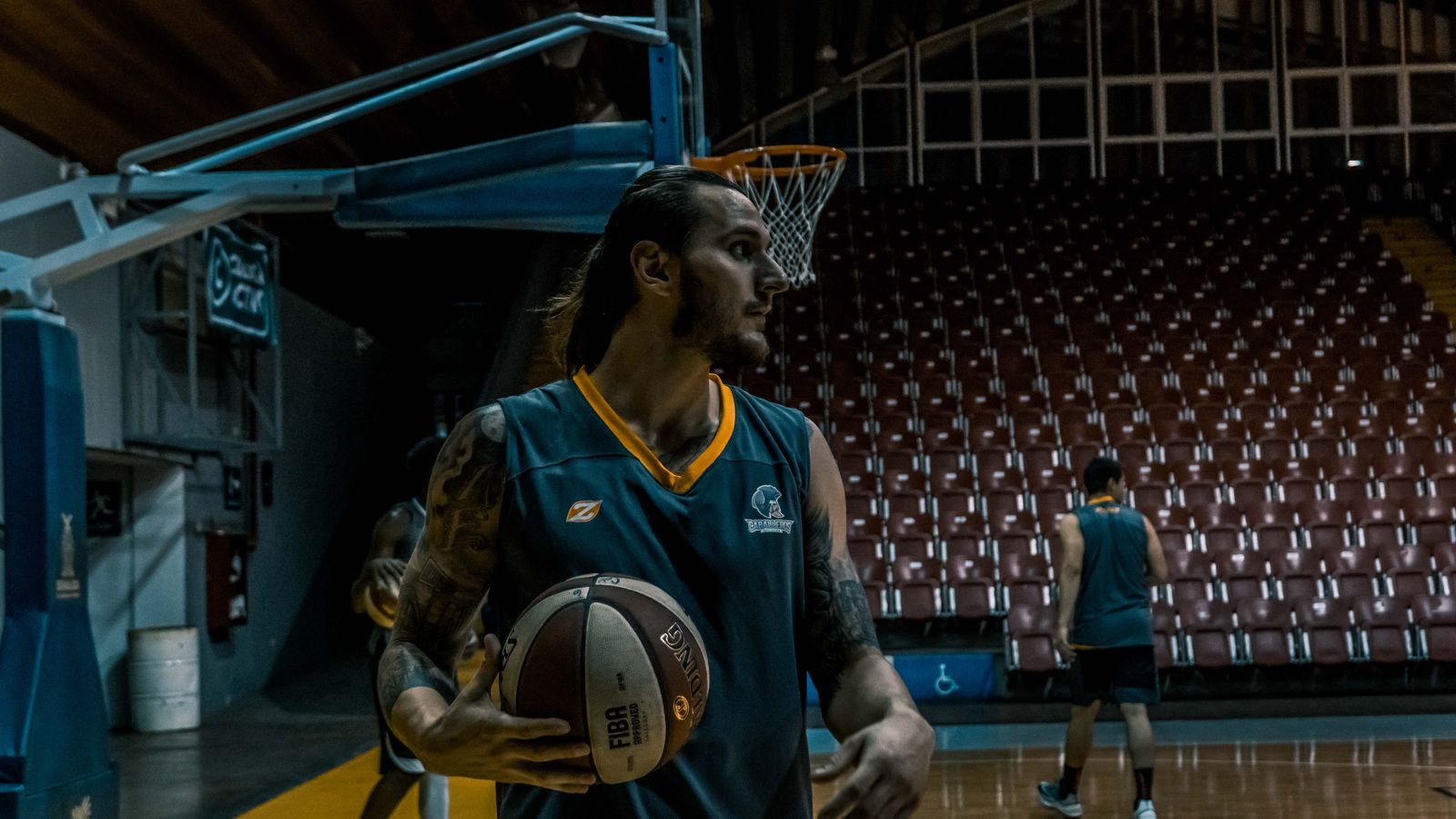
Male basketball players training and practicing in an indoor gym with basketballs and hoops.
The Policy Shift
The WNBA and its players' union finalized a collective bargaining agreement that eliminates cannabis penalties and establishes a framework for psychedelic substance monitoring. The agreement runs through the 2030 season. It removes THC from the league's prohibited-substances roster while introducing testing protocols for psilocybin, MDMA, and other psychedelics under clinical investigation for mental-health applications.
The shift follows years of advocacy from players who pointed to cannabis's legal status in multiple team markets and its documented use for pain management and recovery. Psychedelic provisions reflect growing interest in therapeutic use among professional athletes facing depression, anxiety, and post-career transition challenges.
What Players Are Saying
WNBA Players Association executive director Terri Jackson said the agreement recognizes both the changing legal landscape and athletes' need for evidence-based wellness options. The union surveyed members in 2025 and found that 63% supported removing cannabis restrictions, while 41% expressed interest in access to psychedelic-assisted therapy under medical supervision.
"Our players compete in states where cannabis is legal and widely available," Jackson said in a statement released Friday. "Maintaining a ban that doesn't exist in the broader society—and that penalizes legal behavior—made no sense."
She added that the psychedelic protocols were designed to support players exploring emerging treatments while maintaining safety standards. The agreement doesn't authorize recreational psychedelic use but allows participation in FDA-approved clinical trials and state-licensed therapeutic programs.
The Testing Framework
Players will no longer face discipline for cannabis metabolites in drug tests, but the league retains authority to test for psychedelics and require disclosure of clinical participation. Under the new CBA, athletes enrolled in psilocybin or MDMA therapy programs must notify the league's medical staff and provide documentation from licensed practitioners.
The agreement distinguishes between therapeutic and recreational contexts. Random testing for psychedelics continues. Positive results tied to documented clinical use won't trigger penalties, but undisclosed use or use outside approved therapeutic settings remains a violation subject to fines and suspension.
Precedent in Professional Sports
The WNBA becomes the first of the major U.S. professional leagues to formally remove cannabis from banned lists and address psychedelics in a labor agreement. The NBA and NFL have softened marijuana penalties in recent years but haven't eliminated testing or discipline. The NHL doesn't publicly discipline for cannabis but continues to test.
No major league has previously codified psychedelic policies in a CBA. The WNBA's framework may serve as a template as psilocybin and MDMA advance through FDA approval processes for PTSD and treatment-resistant depression.
For full background on this story, see the CannIntel topic hub on Cannabis and Sports Policy.
State-Law Complexities
The policy change creates a patchwork of compliance obligations across the league's 12 franchises, which operate in states with varying cannabis and psychedelic laws. Teams in California, Oregon, and Colorado—where both adult-use cannabis and some psychedelic therapies are legal—will face fewer friction points than franchises in states like Texas and Georgia, where cannabis remains fully prohibited.
The CBA doesn't override state law. Players in prohibition states who use cannabis legally under the league's policy could still face state-level consequences, though the union said it'll provide legal-defense support in such cases.
Financial and Wellness Stakes
The agreement includes $2.3 million in annual funding for a new player-wellness program that covers mental-health services, including access to psychedelic-assisted therapy where legal. The program will be administered jointly by the league and union, with confidential intake and referral systems designed to encourage utilization without stigma.
Union officials said the wellness investment was a top priority in negotiations. WNBA players earn significantly less than counterparts in men's leagues, and many hold off-season jobs or play overseas to supplement income. The mental-health toll of that grind has been well-documented.
What Comes Next
The CBA takes effect with the start of the 2026 season on June 15, and the league will issue updated drug-policy guidelines to teams and medical staff by June 10. Players currently facing cannabis-related discipline will have cases reviewed and penalties vacated under the new rules.
Union officials said they'll monitor state and federal developments on psychedelic legalization and work with the league to update protocols as the regulatory landscape evolves. Both sides have agreed to a mid-term review in 2028 to assess the psychedelic provisions and adjust as needed.
Frequently asked questions
Does the new WNBA policy allow recreational psychedelic use?
No. The CBA permits psychedelic use only in FDA-approved clinical trials or state-licensed therapeutic programs. Players must disclose participation to league medical staff. Undisclosed or recreational use remains a violation subject to discipline.
Can WNBA players use cannabis in states where it's illegal?
The league policy removes cannabis penalties, but state law still applies. Players in prohibition states could face state-level consequences even though the WNBA won't discipline them. The union will provide legal-defense support in such cases.
How does the WNBA policy compare to other major sports leagues?
The WNBA is the first major U.S. league to fully remove cannabis from banned substances and establish psychedelic protocols. The NBA and NFL have reduced marijuana penalties but still test and discipline. No other league has addressed psychedelics in a CBA.
What psychedelics are covered under the new testing framework?
The CBA specifically mentions psilocybin and MDMA, both of which are in late-stage FDA trials for mental-health conditions. The agreement allows the league to add other substances as they enter clinical use or gain legal status.
When does the new WNBA drug policy take effect?
The policy takes effect June 15, 2026, with the start of the season. The league will issue updated guidelines to teams and medical staff by June 10. Players currently facing cannabis discipline will have cases reviewed and penalties vacated.
Sources
The cannabis newsletter you forward to your team.
Federal policy, market data, grower alerts, and the one story that matters today. Sent every weekday at 7am. Free.
No spam. Unsubscribe with one click. 21+ only.
Related from Culture

Poll Finds More Than a Third of Hikers Use Marijuana on Trail
A poll reported by Marijuana Moment says over a third of hikers use cannabis to enhance trail time, pressing on federal land rules.

Brittney Griner Calls on All 50 States to Legalize Marijuana
The basketball star, jailed in Russia over cannabis cartridges in 2022, described the industry as a 'booming business' and urged nationwide legalization, Marijuana Moment reported.

Op-Ed: Latino Alliance Warns Immigration Push Threatens Cannabis
Latino Cannabis Alliance's Ishaq Ali argues in a Marijuana Moment op-ed that punitive immigration enforcement endangers an industry built on agricultural labor.
More from the newsroom
New Study Links Cannabis to Sudden Panic, StudyFinds Reports
StudyFinds reported Oct. 11 that new research shows cannabis can trigger sudden panic in a calm brain. The underlying paper is not yet verified.
Illinois Cannabis Sales Climb, Raising Excise Tax and 280E Stakes
An AOL.com report says Illinois cannabis sales are rising, but the tax tiers under the state's 2020 legalization law decide who actually benefits.
NZ Herald: Charge Rate for Personal Cannabis Use Triples
New Zealand's charge rate for personal cannabis use has tripled, NZ Herald reported, raising hard questions about police discretion and drug policy.