Marc Shepard Built NECANN for the Locals. Now the Fight Comes Home
The Northeast cannabis expo founder reflects on regional markets, consolidation pressure, and why hyperlocal culture still beats MSO playbooks.
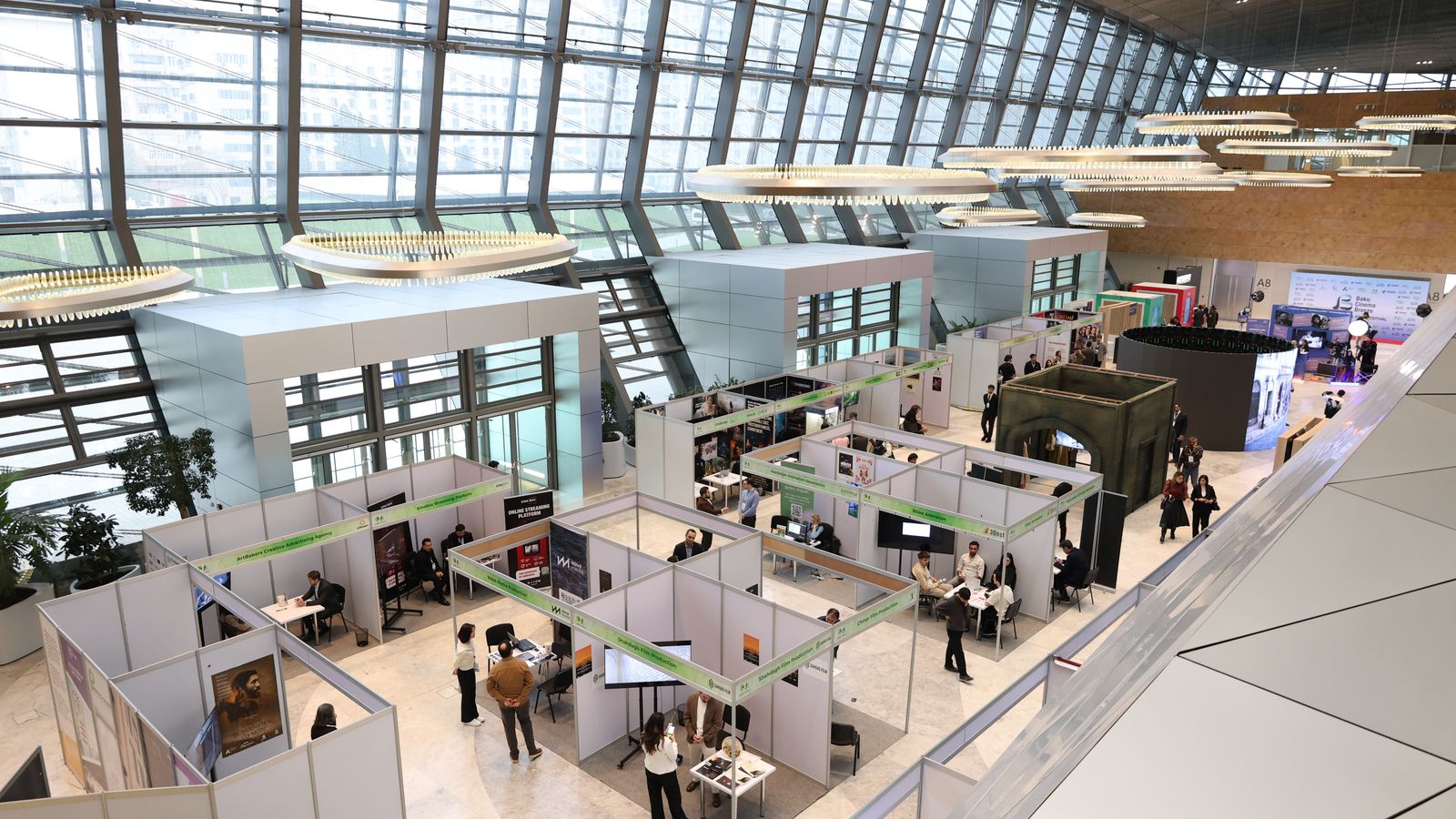
A bustling trade show exhibition inside a modern hall with people networking and exploring booths.
The NECANN Model: Hyperlocal Expos in a Fragmented Regulatory Landscape
Shepard launched NECANN in 2014 as a state-by-state conference series designed to navigate the Northeast's patchwork of cannabis laws, long before adult-use legalization reached the region. Unlike national expos that aggregate thousands of exhibitors under one roof, NECANN runs smaller shows—typically 150-300 booths—in individual states: Massachusetts, Vermont, New Jersey, Connecticut, and Rhode Island. Each event caters to that state's specific licensing structure, cultivation climate, and consumer base.
The format reflects the Northeast's regulatory reality. No two states share identical rules:
- Massachusetts caps cultivation licenses by municipality and allows social-equity applicants priority windows
- Vermont restricts vertical integration and bans out-of-state ownership until 2027
- New Jersey operates a conditional-license lottery with residency requirements
- Connecticut awards points for in-state operating history and local hiring commitments
Shepard's pitch: if you're growing in Vermont's clay-heavy soil or navigating New Jersey's municipal opt-in wars, you don't need a keynote from a Colorado MSO. You need the grower two towns over. The one who cracked the same problem last season.
Consolidation Pressure: Out-of-State Capital Floods Regional Markets
The threat Shepard describes isn't hypothetical—Northeast cannabis markets saw $1.8 billion in M&A activity in 2025, with multi-state operators acquiring 47% of independent Massachusetts dispensaries and 31% of New Jersey cultivation facilities, according to industry tracker MJBizDaily. Curaleaf, Verano, and Acreage Holdings now control more than half of the region's retail footprint, a concentration that didn't exist three years ago when state-residency caps and local-ownership incentives were still enforceable.
Vermont's 2027 sunset on out-of-state ownership bans has accelerated the land grab. Shepard points to a single county—Chittenden, home to Burlington—where four of seven licensed cultivators sold majority stakes to Illinois- or Florida-based holding companies in the past 18 months. The new owners kept the Vermont branding but replaced head growers, switched to cookie-cutter strain menus (Wedding Cake, Gelato, Zkittlez), and rerouted flower to higher-margin Massachusetts dispensaries.
The fight Shepard started NECANN to wage—keeping Northeast cannabis weird, local, and resistant to coast-to-coast homogenization—has circled back as the region's last state-residency protections expire and capital markets reward scale over terroir.
It's a pattern visible across the region. Connecticut's first adult-use harvest in early 2026 saw three of the state's top five cultivators (by square footage) flip to MSO ownership before a single gram reached retail. The buyers: Trulieve, Cresco, and a SPAC-backed roll-up that also owns dispensaries in Ohio and Pennsylvania.
What the Northeast Loses When Local Growers Sell
Shepard's argument isn't nostalgia—it's operational. Northeast growers adapted cultivars to short seasons, high humidity, and finicky consumers who want variety over THC-percentage arms races. Strains like Lemon Skunk (a Massachusetts staple since the medical era), Northern Lights cuts preserved by Vermont legacy growers, and Sour Diesel phenos specific to New Jersey's coastal climate don't appear on MSO menus, which prioritize strains that travel well, test high, and play in every market from Arizona to Illinois.
When a Vermont cultivator sells to an MSO, the new operator typically:
- Replaces proprietary genetics with corporate clone libraries (usually California-bred hybrids optimized for yield, not flavor)
- Switches to hydroponic systems that eliminate terroir but standardize output across facilities in six states
- Fires tenured growers (average regional salary: $58K) and hires cheaper labor managed remotely by out-of-state cultivation directors
- Reroutes flower to the MSO's highest-margin retail markets, leaving the local state underserved during peak demand (a dynamic visible in Massachusetts in Q4 2025, when three formerly independent cultivators stopped supplying in-state dispensaries to fulfill Curaleaf's New Jersey wholesale contracts)
The result, Shepard says, is a flattening of regional identity. Walk into a Curaleaf in Burlington or a Verano in Montclair, and the strain menu, the packaging, the price points, and the customer experience are nearly identical. The lemon-pith finish of a Massachusetts Lemon Skunk? Gone. The forest-floor opener of a Vermont Northern Lights? Replaced by a Gelato that could've been grown anywhere.
For background on how regional cannabis markets are navigating MSO consolidation, see the CannIntel topic hub on NECANN and Northeast cannabis.
Frequently asked questions
What is NECANN and why does it matter to Northeast cannabis markets?
NECANN is a state-by-state cannabis trade show series founded by Marc Shepard in 2014. It runs smaller, hyperlocal expos (150-300 booths) in Massachusetts, Vermont, New Jersey, Connecticut, and Rhode Island, each tailored to that state's specific licensing rules, cultivation climate, and consumer preferences. The model reflects the Northeast's fragmented regulatory landscape and prioritizes local growers and buyers over national MSO playbooks.
How much consolidation has hit Northeast cannabis markets?
Northeast cannabis markets saw $1.8 billion in M&A activity in 2025, with MSOs acquiring 47% of independent Massachusetts dispensaries and 31% of New Jersey cultivation facilities. Curaleaf, Verano, and Acreage Holdings now control more than half of the region's retail footprint. Vermont's 2027 sunset on out-of-state ownership bans has accelerated the land grab, with four of seven Chittenden County cultivators selling to MSOs in the past 18 months.
What happens when a Northeast cultivator sells to an MSO?
When a Northeast cultivator sells to an MSO, the new operator typically replaces proprietary genetics with corporate clone libraries (usually California-bred hybrids), switches to hydroponic systems that eliminate terroir, fires tenured growers, and reroutes flower to higher-margin out-of-state markets. The result is a flattening of regional identity—strains like Massachusetts Lemon Skunk or Vermont Northern Lights disappear from menus, replaced by standardized Gelato or Wedding Cake cuts grown in six states.
Why does Marc Shepard say regional cannabis identity matters?
Shepard argues that Northeast growers adapted cultivars to short seasons, high humidity, and finicky consumers who want variety over THC-percentage arms races. Strains like Lemon Skunk, Northern Lights, and Sour Diesel phenos specific to regional climates don't appear on MSO menus, which prioritize strains that travel well and play in every market. When MSOs replace regional genetics with corporate clone libraries, the lemon-pith finish of a Massachusetts Lemon Skunk or the forest-floor opener of a Vermont Northern Lights vanishes.
What is Vermont's 2027 out-of-state ownership ban sunset?
Vermont currently restricts out-of-state ownership of cannabis licenses, but that ban sunsets in 2027. The impending expiration has accelerated M&A activity, with MSOs acquiring majority stakes in Vermont cultivators before the restriction lifts. Four of seven licensed cultivators in Chittenden County (home to Burlington) sold to Illinois- or Florida-based holding companies in the past 18 months, replacing head growers and rerouting flower to Massachusetts dispensaries.
Sources
The cannabis newsletter you forward to your team.
Federal policy, market data, grower alerts, and the one story that matters today. Sent every weekday at 7am. Free.
No spam. Unsubscribe with one click. 21+ only.
Related from Culture

Cannabis Users Favor Light, Moderate Exercise, Alabama Study Finds
New research challenges the lazy stoner myth, showing cannabis consumers exercise as much as non-users but prefer different intensities.

Kentucky's First Cannabis Cocktail Bar Releases New THC-Infused Drink
The Louisville venue is expanding its hemp-derived beverage menu as Kentucky's regulated cannabis market takes shape.

Pew Research Reveals 10 Key Findings on American Marijuana Attitudes
New polling data captures shifting public sentiment on legalization, medical use, and consumption patterns across the U.S.
More from the newsroom

Dispensary Valuations Shift Beyond EBITDA as Rescheduling Reshapes M&A
Acquirers now weigh operational scalability and compliance infrastructure as heavily as revenue multiples in cannabis retail deals.

Illinois Proposes Rule Changes to Cannabis Licensing and Social Equity
The state's Department of Financial and Professional Regulation has opened a public comment period on amendments to adult-use and medical cannabis regulations.

Minnesota merges medical and adult-use cannabis supply chains
State regulators unified the two markets effective May 28, 2026, ending separate inventory tracking.