Boston Freedom Rally Advocates Push to Protect Recreational Access
Organizers at the 2026 rally say normalization is here, but regulatory threats remain.
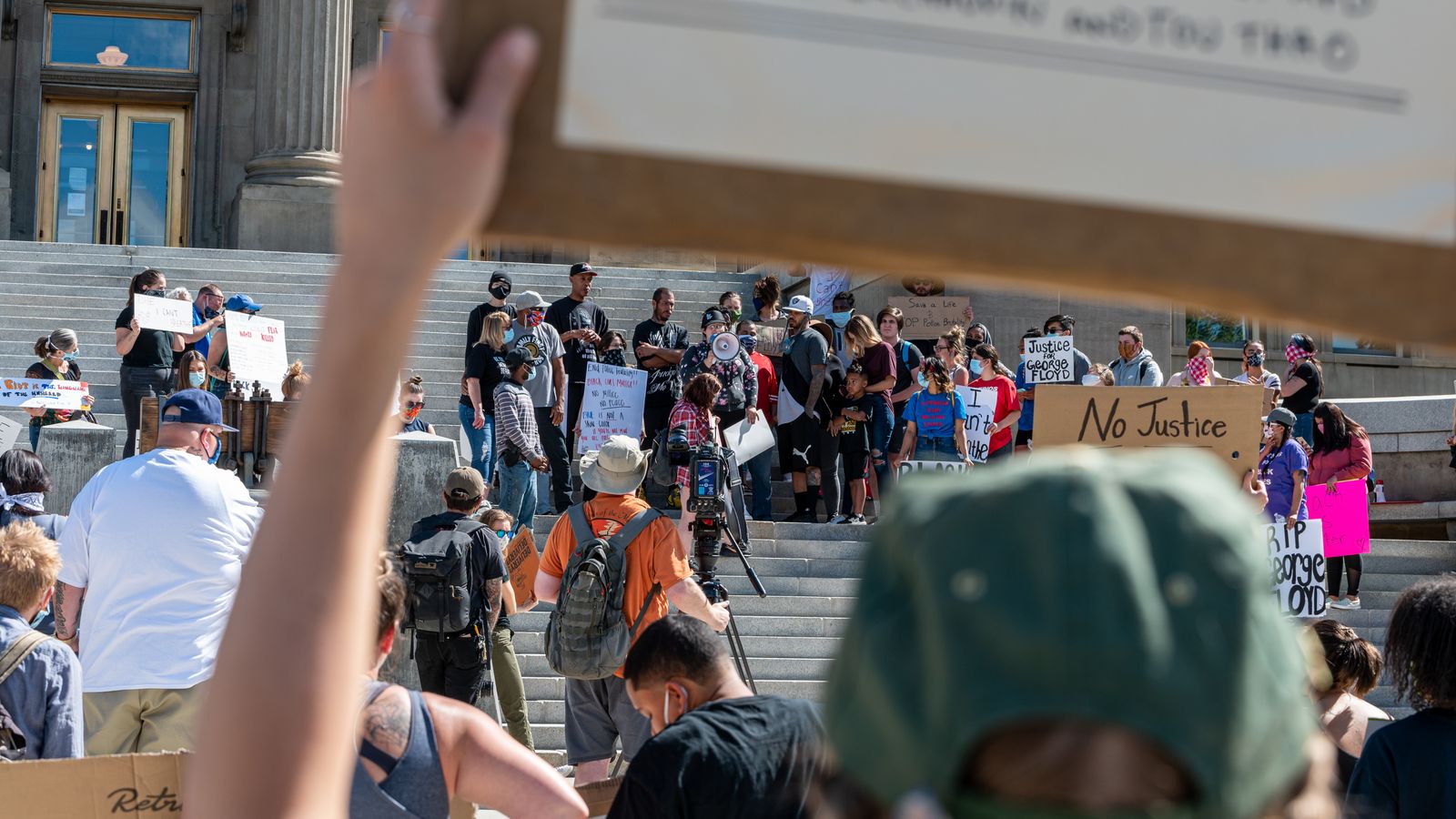
Protesters diverse people standing on stairs near building and holding placards with inscriptions about justice
Rally Marks Shift From Legalization to Protection
Organizers framed this year's event as a defense of existing recreational rights rather than a push for new policy. The Boston Freedom Rally, held annually since 1989, has historically served as a legalization advocacy platform. With Massachusetts recreational sales live since 2018, the 2026 event pivoted to protecting consumer access, home-grow rights, and equity provisions under the state's adult-use framework."This isn't a taboo thing anymore," one advocate said, according to coverage by The Huntington News. That sentiment reflects a broader cultural shift in Massachusetts, where cannabis storefronts now operate in more than 100 municipalities and adult possession has been decriminalized for over a decade.
Regulatory Threats Drive Continued Mobilization
Despite normalization, advocates cite zoning restrictions, license-cap proposals, and equity-program rollbacks as active threats. Massachusetts municipalities retain local-option authority to ban retail cannabis. Several communities have moved to tighten zoning or cap the number of dispensaries since 2023. Equity applicants continue to face capital-access barriers, and some advocates worry that state budget pressures could erode funding for social-equity grants.The rally featured speakers from the Massachusetts Cannabis Control Commission's equity cohort, small cultivators, and patient-advocacy groups. Recreational legalization is a floor, not a ceiling. Rollback is a real risk without organized pressure.
Cultural Normalization Meets Political Fragility
Public acceptance has outpaced political consensus, leaving recreational frameworks vulnerable to retrenchment. Polling in Massachusetts consistently shows majority support for legalization, but municipal bans and state-level proposals to restrict home cultivation or raise excise taxes suggest that policy stability isn't guaranteed. The rally's messaging acknowledged this gap — cannabis is socially normalized but institutionally contested.The rally's tone was less countercultural celebration, more civic defense — a sign that the next phase of cannabis advocacy is about holding ground, not breaking it.
What Comes Next for Massachusetts Advocacy
Organizers say 2027 priorities include defending home-grow rights and expanding equity-license pathways. The Massachusetts legislature is expected to consider bills in the next session that could affect home-cultivation limits, social-consumption licensing, and equity-applicant loan programs. Advocates are also watching federal Schedule III reclassification, which could shift state tax treatment and banking access for Massachusetts operators.For full background on this story, see the CannIntel topic hub on the Boston Freedom Rally.
The rally drew an estimated 15,000 attendees, down slightly from the 2025 event but still among the largest annual cannabis gatherings in New England. Next year's rally is scheduled for the third Saturday in September, per tradition.
Frequently asked questions
When did Massachusetts legalize recreational cannabis?
Massachusetts voters approved recreational legalization via ballot measure in November 2016. Retail sales began in November 2018, making it the first East Coast state with legal adult-use dispensaries.
What is the Boston Freedom Rally?
The Boston Freedom Rally is an annual cannabis-advocacy event held on Boston Common since 1989. Originally focused on legalization, it now emphasizes protecting consumer rights, equity provisions, and home-grow access in Massachusetts.
Can Massachusetts municipalities ban cannabis retail?
Yes. Massachusetts law grants municipalities local-option authority to ban or restrict cannabis retail through voter referendum or local ordinance. More than 200 of the state's 351 municipalities have enacted bans or moratoria.
What are the main threats to Massachusetts recreational cannabis?
Advocates cite municipal retail bans, state proposals to cap home cultivation or raise excise taxes, and funding cuts to social-equity programs as the primary regulatory risks to the existing adult-use framework.
How many people attended the 2026 Boston Freedom Rally?
Organizers estimate 15,000 attendees at the 2026 event, held September 21 on Boston Common. Attendance was slightly down from 2025 but remains among the largest annual cannabis gatherings in New England.
Sources
The cannabis newsletter you forward to your team.
Federal policy, market data, grower alerts, and the one story that matters today. Sent every weekday at 7am. Free.
No spam. Unsubscribe with one click. 21+ only.
Related from Culture

High School Cannabis Use Hits All-Time Low in 2026 Federal Survey
Teen consumption drops to lowest level since federal tracking began, defying predictions that legalization would fuel youth use.

Silly Nice and stupidDOPE Launch Cannabis Record Expungement Project
New York cannabis brand Silly Nice partners with media platform stupidDOPE to fund legal aid for individuals with pre-legalization cannabis convictions.

THE RECORD Launches Live Arrest Clock Counting Cannabis Busts Every 2.6 Minutes
The cannabis advocacy group turned FBI arrest data into a real-time ticker tracking one marijuana arrest every 156 seconds.
More from the newsroom
Connecticut Ends THC-Based Taxes and 70% Concentrate Cap Thursday
The state will shift to weight-based taxation and lift potency restrictions on October 1, 2026.

Chinese-Owned Firm Takes Over Cann Group's Mildura Cannabis Farm
A Chinese pharmaceutical company has acquired operational control of one of Australia's largest medicinal cannabis cultivation facilities.

Idaho Voters Face Legislature-Control Drug Ballot Measure
Constitutional amendment would grant Idaho Legislature sole authority to legalize controlled substances.