Tribal cannabis stores hit record expansion across the US
Sovereign nations now operate more than 120 cannabis retail locations, up 40% year-over-year as tribal sovereignty reshapes US market access.
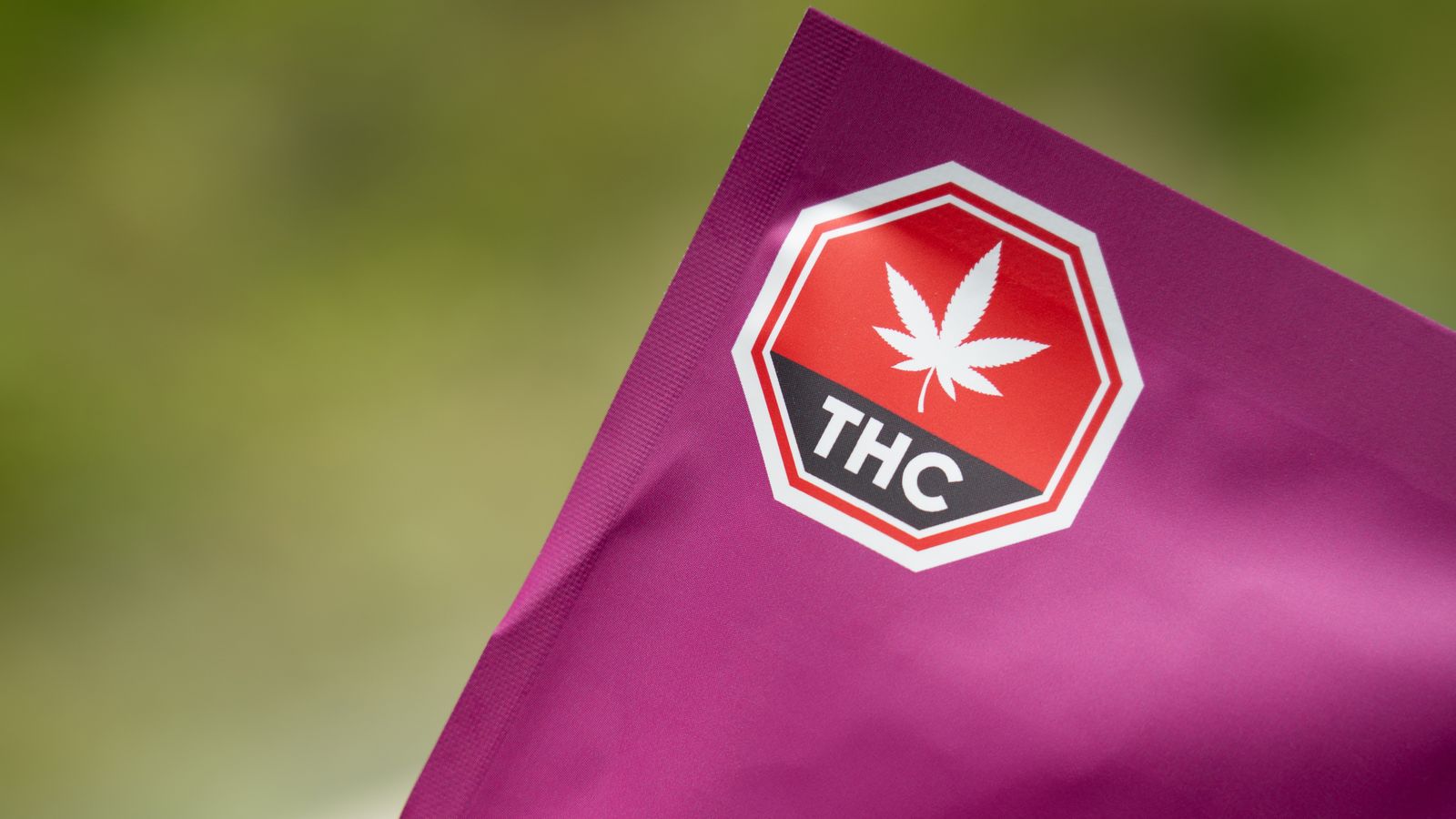
Close-up of cannabis packaging with a THC warning label on a purple background, highlighting safety and regulatory compliance.
Tribal retail footprint grows 40% year-over-year
More than 120 tribal cannabis stores now operate across at least 18 states, up from roughly 85 locations in June 2025. The expansion reflects accelerating adoption of cannabis commerce by federally recognized tribes exercising sovereign authority under the Indian Self-Determination and Education Assistance Act.
The census counted operational dispensaries on tribal trust land, excluding cultivation-only facilities and pending projects. Washington state leads with 31 tribal retail locations. California follows with 22, Oklahoma with 18.
Tribal operators don't require state cannabis licenses. They operate under tribal compacts or unilateral tribal law, a jurisdictional advantage that eliminates multi-year application queues and six-figure licensing fees common in mature adult-use markets.
Revenue scales faster than state-licensed peers
Tribal stores generated an estimated $780 million in combined 2025 sales, per-location revenue averaging $6.5 million—roughly 30% above the $5.0 million median for state-licensed independent retailers. The margin reflects lower regulatory overhead and, in some cases, favorable tax treatment under tribal sovereignty frameworks.
Washington's Suquamish Tribe reported $14.2 million in cannabis revenue for fiscal 2025, a 19% year-over-year increase, according to the tribe's March 2026 annual report. The Flandreau Santee Sioux Tribe in South Dakota operates in a prohibition state. It disclosed $9.1 million in adult-use sales for calendar 2025, up from $7.8 million in 2024.
Tribes retain 100% of net proceeds. No state excise tax applies on trust land, though some tribes levy their own cannabis taxes—typically 10-20%—to fund government services and per-capita distributions.
Federal rescheduling creates compliance gray zone
DEA's August 2025 final rule rescheduling cannabis to Schedule III under the Controlled Substances Act introduced new compliance uncertainty for tribal operators, who remain outside state regulatory frameworks. The rule requires DEA registration for all cannabis handlers. But tribal sovereignty complicates enforcement jurisdiction.
No tribal cannabis retailer has yet obtained a DEA registration, and the agency hasn't issued public guidance on tribal applicants. Interior's Bureau of Indian Affairs declined to comment on whether tribes must comply with Schedule III registration requirements, citing ongoing interagency review.
The compliance gap hasn't slowed expansion. Four new tribal stores opened in May 2026 alone: two in California (Paskenta Band of Nomlaki Indians, Kashia Band of Pomo Indians), one in Michigan (Keweenaw Bay Indian Community), and one in New Mexico (Pueblo of Pojoaque).
What operators are watching
Tribal cannabis's next growth phase hinges on three variables: state-tribal compacting momentum, banking access, and federal enforcement posture under Schedule III. Fourteen states now allow tribal-state cannabis compacts, up from nine in 2024. Compacts typically grant tribes market access in exchange for revenue-sharing (5-15% of gross) or adherence to state testing standards.
Banking remains the operational chokepoint. Fewer than 20% of tribal cannabis operators hold depository accounts with federally insured banks, forcing cash-intensive operations and limiting access to capital markets. The SAFER Banking Act has stalled in Congress since 2023. It would extend safe-harbor protections to tribal cannabis businesses.
For comprehensive background on tribal sovereignty and cannabis regulation, see the CannIntel topic hub on Tribal Cannabis Sovereignty.
The next signal: whether Justice's updated US Attorneys' enforcement memo—expected by August 2026—explicitly carves out tribal operations or subjects them to the same Schedule III registration requirements as state-licensed entities.
Sources
The cannabis newsletter you forward to your team.
Federal policy, market data, grower alerts, and the one story that matters today. Sent every weekday at 7am. Free.
No spam. Unsubscribe with one click. 21+ only.
Related from Business

Trulieve Becomes First U.S. Cannabis Company to Trade on NYSE
Florida-based MSO completes historic uplisting from Canadian exchange, marking first direct NYSE cannabis listing.

Chapter 15 Ruling Sets Restructuring Blueprint for Cannabis Companies
A federal bankruptcy court decision opens cross-border restructuring pathways for cannabis operators facing financial distress.

Good Day Farm Loses Dismissal Bid in Missouri Antitrust Suit
A Missouri federal judge denied the multi-state operator's motion to dismiss, finding plaintiffs adequately stated antitrust claims.
More from the newsroom

Garden River Dispensary Closes After Overdoses Trigger Product Testing
Ontario cannabis retailer suspends operations following multiple overdose incidents tied to products sold at the location.
Four Cannabis Ballot Measures Certified in Three States Over Two Weeks
New certification filings advance cannabis legalization questions to November ballots in three states.

Kansas Democratic Governor Candidates Unite Behind Marijuana Legalization
Both Democratic gubernatorial candidates say they would sign adult-use cannabis legislation if elected in November 2026.