Tilray Posts Record Fiscal Year on BrewDog Deal, Medical Cannabis Growth
The cannabis and beverage conglomerate reported record annual revenue driven by its BrewDog acquisition and expanding medical cannabis operations.

Expansive green cannabis field bordered by dense evergreen forest on a sunny day.
Revenue Milestone Anchored by Beverage Segment
Tilray Brands reported its highest annual revenue to date, with the BrewDog acquisition accounting for a material share of top-line growth. The company completed its purchase of the Scottish craft brewer in fiscal 2025, folding BrewDog's global distribution network and brand portfolio into Tilray's beverage division. The beverage segment now represents the largest share of consolidated revenue, outpacing cannabis operations for the first time in company history.
CEO Irwin Simon has positioned Tilray as a lifestyle conglomerate rather than a pure-play cannabis operator. The BrewDog deal was the capstone of that pivot. It added over 100 craft beer SKUs and a direct-to-consumer e-commerce platform. The integration appears to have met internal targets, with no material write-downs disclosed in the fiscal-year results.
Medical Cannabis Drives Margin Expansion
Tilray's medical cannabis division posted double-digit growth in Europe and Australia, with gross margins expanding 320 basis points year-over-year. The company operates cultivation facilities in Portugal and distribution partnerships in Germany, Poland, and the United Kingdom. Germany remains the largest medical cannabis market in Europe by patient count. Tilray holds supply agreements with multiple German pharmacies under the country's prescription framework.
The margin improvement reflects scale efficiencies and a shift toward higher-margin finished goods. Tilray has phased out bulk flower sales in favor of branded pre-rolls, vape cartridges, and oil-based tinctures sold under the Aphria and Broken Coast labels. Unit economics by product category weren't disclosed, but the margin trend suggests the branded strategy is working.
U.S. Cannabis Exposure Remains Limited
Tilray generated minimal revenue from U.S. cannabis operations, as federal prohibition blocks the company from touching THC products domestically. It sells CBD beverages and wellness products in the United States through its Manitoba Harvest and Happy Flower brands, but those lines remain subscale relative to the international cannabis business. Tilray has repeatedly stated it won't enter the U.S. THC market until federal rescheduling or legalization occurs.
That stance sets Tilray apart from multi-state operators like Curaleaf and Trulieve, which generate the bulk of their revenue from state-licensed dispensaries. The trade-off: Tilray avoids 280E tax penalties and maintains access to Nasdaq listing requirements, but sacrifices exposure to the largest cannabis market by consumer spend. For context on Tilray's broader financial strategy, see the CannIntel topic hub on Tilray earnings.
What Investors Are Watching Next Quarter
Tilray's next earnings call will likely focus on BrewDog integration costs and whether medical cannabis growth can offset currency headwinds in Europe. The euro has depreciated 4% against the U.S. dollar since May, which will compress reported revenue when Tilray converts its European sales. Analysts will also watch for updates on Germany's recreational cannabis pilot program, which could open a new revenue channel if Tilray secures a cultivation license.
Tilray hasn't provided formal guidance for fiscal 2027, but management has signaled continued M&A activity in both the beverage and cannabis sectors. Cash flow from the BrewDog business gives Tilray acquisition currency that most cannabis-only operators lack. Next catalyst: fiscal Q1 2027 results, expected in early October.
Frequently asked questions
What drove Tilray's record fiscal year revenue?
Tilray's fiscal 2026 revenue hit an all-time high due to the BrewDog acquisition, which added over 100 craft beer SKUs and a global distribution network, plus double-digit growth in European and Australian medical cannabis operations. The beverage segment now accounts for the largest share of consolidated revenue.
Why doesn't Tilray sell THC products in the United States?
Federal prohibition blocks Tilray from touching THC products in the U.S. market. The company sells CBD beverages and wellness items domestically but has stated it will not enter the U.S. THC market until federal rescheduling or legalization occurs. This avoids 280E tax penalties and maintains Nasdaq compliance.
How did Tilray's medical cannabis margins improve?
Tilray's medical cannabis gross margins expanded 320 basis points year-over-year by shifting from low-margin bulk flower sales to higher-margin branded finished goods like pre-rolls, vape cartridges, and oil-based tinctures sold under the Aphria and Broken Coast labels. Scale efficiencies in Portugal and Germany also contributed.
When does Tilray report fiscal Q1 2027 earnings?
Tilray is expected to report fiscal Q1 2027 results in early October 2026. Analysts will focus on BrewDog integration costs, currency headwinds from euro depreciation, and updates on Germany's recreational cannabis pilot program.
Sources
The cannabis newsletter you forward to your team.
Federal policy, market data, grower alerts, and the one story that matters today. Sent every weekday at 7am. Free.
No spam. Unsubscribe with one click. 21+ only.
Related from Business

Organigram enters fight for Aurora as Curaleaf bid clock runs
British American Tobacco's stake in Organigram could put the tobacco giant at the center of the Aurora contest before Curaleaf's offer expires Dec. 4.
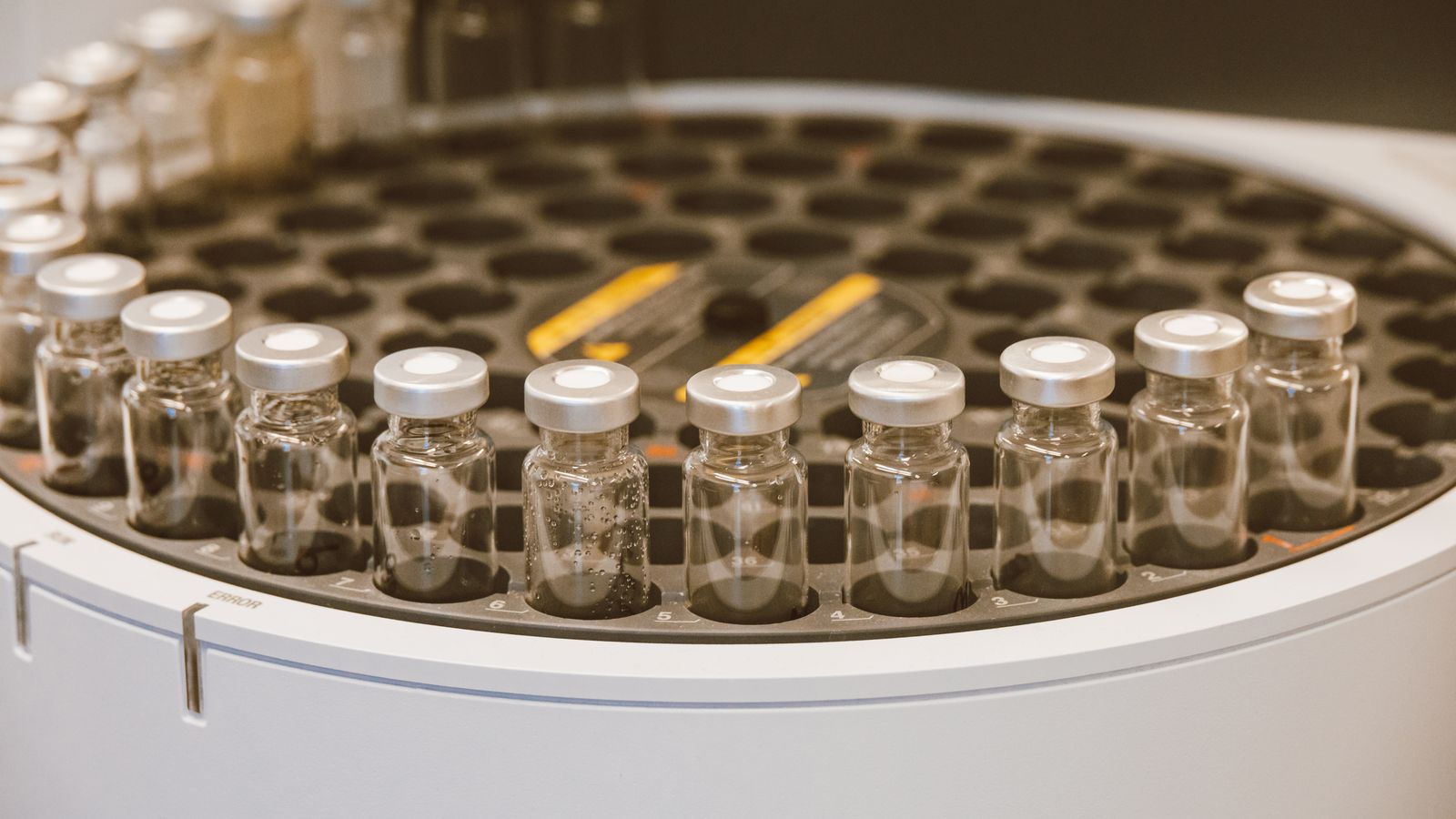
Tilray Medical Wins Approval for In-House EU-GMP Cannabis Testing
Tilray Medical can now run EU-GMP quality testing in-house, a move that could shift lab costs and batch-release timing, though key details remain undisclosed.

Canopy Growth Secures EU-GMP Certification at Smiths Falls
Canopy Growth's Smiths Falls site is now certified for softgel manufacturing and primary packaging of softgels, oral liquids and dried flower, extending its EU-GMP supply chain.
More from the newsroom

DEA Accepts New Report in Rescheduling Hearing; Foes Seek Discovery
DEA does not object to a new report entering the marijuana rescheduling record, while opponents ask for added testimony and document discovery.

Puerto Rico Rolls Back Medical Cannabis Workplace Protections
High Times Magazine reports Puerto Rico has narrowed employment protections for medical cannabis patients, raising questions about which workers lose coverage and which keep it.

L.A. Cannabis Industry Rallies Behind Nithya Raman, Substack Reports
A High Adam post says Los Angeles operators are energizing around Councilmember Nithya Raman, but the platform details behind the 'actual plan' remain unverified.