Tilray Medical Wins Approval for In-House EU-GMP Cannabis Testing
Tilray Medical can now run EU-GMP quality testing in-house, a move that could shift lab costs and batch-release timing, though key details remain undisclosed.
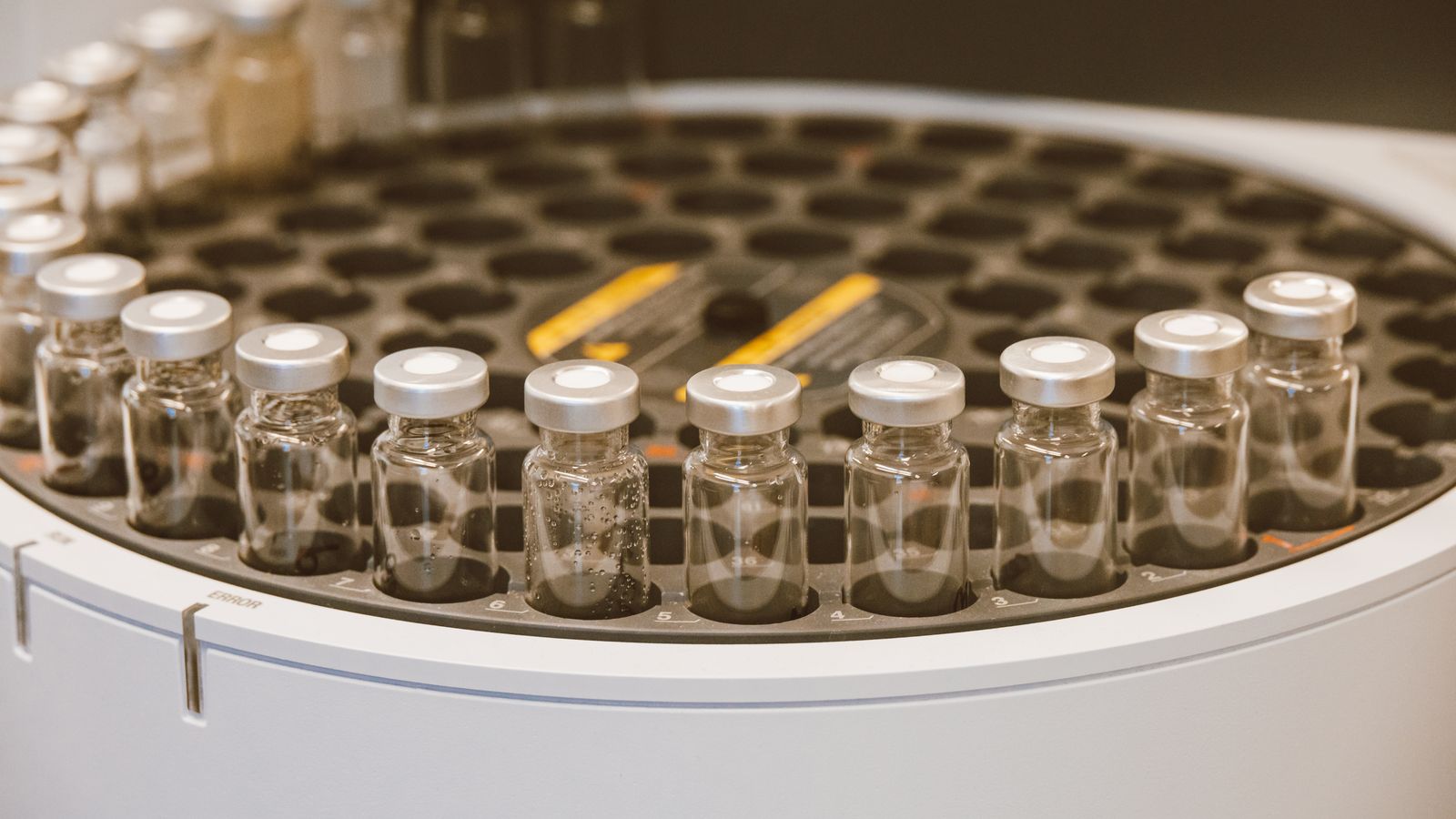
An array of glass vials in a lab setting, ideal for scientific research visuals.
Tilray Medical Clears the Way for In-House EU-GMP Testing
Tilray Medical has approval to run EU-GMP cannabis quality testing under its own roof, but the public detail so far is thin.
Cannabis Equipment News reported the approval on Oct. 13, 2026. Tilray Medical, the medical arm of Tilray Brands (Nasdaq: TLRY), can now do work it previously would have routed to outside labs.
Missing from the report: the approving authority, the facility, the list of approved assays, the capital spent and the effective date. CannIntel hasn't independently confirmed any of those points, and we won't guess at them.
Details matter here.
What In-House Testing Does to Costs and Release Timelines
Bringing EU-GMP testing in-house swaps a per-batch third-party fee for fixed overhead, and it can shorten the gap between harvest and release.
EU-GMP is the quality standard medical cannabis generally has to meet before it reaches European pharmacies. Release decisions hinge on test results for potency (THC and CBD content), contaminants and similar quality markers, so every day a sample sits in an outside lab's queue is a day inventory can't ship.
An internal lab changes the cost structure. Fees paid per batch become staff, equipment, calibration, accreditation upkeep and depreciation, which is a good trade at high, steady volume and a drag at low volume. Volume is the swing factor. Tilray hasn't said which side of that line it sits on in the information available.
Vertical integration of quality control is a logical step for any licensed producer with consistent EU-bound output. It also isn't free.
The Bull Case and the Bear Case
The bull case rests on margin and speed, while the bear case rests on fixed costs and regulatory exposure.
On the bull side, an investor would point to lower per-unit testing costs at scale, faster turnaround from harvest to saleable product and tighter control over data. In-house results also reduce dependence on a third party's capacity and scheduling, which matters when a pharmacy customer is waiting on a release. Peers without their own EU-GMP testing would be the obvious comparison.
The bear side is just as clear. A lab is a fixed cost, and fixed costs punish softer volumes. Approvals can also come with ongoing inspection and documentation burdens, so a lapse becomes a bigger operational problem when the testing is internal.
Read the approval as a control-of-release story, not a quarterly earnings event.
One approval doesn't change the price per gram Tilray gets for medical flower or extracts, and nothing in the report quantifies savings. The market has little to model until the company supplies numbers.
What Investors and Operators Should Watch Next
The useful follow-ups are capital spending, testing cost per batch and any change in release lead times.
Operators will want to know whether Tilray plans to test only its own product or eventually offer capacity to others, because a lab with spare capacity can become a small revenue line rather than a cost center. Investors will want the opposite disclosure first: how much the build-out cost and how quickly it pays back. For ongoing coverage, see the CannIntel topic hub on Tilray Medical EU-GMP operations.
Regulation matters too. Compliance with EU-GMP isn't a one-time event, and a testing lab sits close to the center of a producer's quality system. Markets such as Germany, where EU-GMP supply is central to medical channels, will reward reliability more than headlines.
The next signal: Tilray Brands' next quarterly earnings call, where analysts can press management on capex and testing costs, and on whether release times have actually moved. If management answers with numbers, this story gets a lot more interesting. If it doesn't, assume the savings are modest.
Frequently asked questions
What did Tilray Medical get approved to do?
According to Cannabis Equipment News, Tilray Medical received approval to bring EU-GMP cannabis quality testing in-house. The available reporting doesn't name the approving authority, the facility or the exact tests covered, so those points remain unconfirmed.
What is EU-GMP in cannabis?
EU-GMP refers to European Union Good Manufacturing Practice standards, a quality framework medical cannabis generally must meet for sale into EU pharmacy channels. It covers production and quality control, including the testing that supports batch release.
Why does in-house testing matter financially?
It shifts per-batch third-party lab fees into fixed costs such as staff, equipment and accreditation. That improves margins at steady, high volume and can speed batch release, but it adds overhead risk if volumes fall.
Did Tilray disclose the cost or savings?
Not in the information available to CannIntel. No capital spending, per-batch savings or timeline figures were included, so any financial impact remains unquantified until the company discloses numbers.
Sources
The cannabis newsletter you forward to your team.
Federal policy, market data, grower alerts, and the one story that matters today. Sent every weekday at 7am. Free.
No spam. Unsubscribe with one click. 21+ only.
Related from Business

Nebraska MMJ Growers Harvest First Crops With No Buyers Yet
Nebraska's first medical cannabis harvests are coming in before any processor, transporter, lab or dispensary exists to take delivery, MJBizDaily reported.

Organigram enters fight for Aurora as Curaleaf bid clock runs
British American Tobacco's stake in Organigram could put the tobacco giant at the center of the Aurora contest before Curaleaf's offer expires Dec. 4.

Canopy Growth Secures EU-GMP Certification at Smiths Falls
Canopy Growth's Smiths Falls site is now certified for softgel manufacturing and primary packaging of softgels, oral liquids and dried flower, extending its EU-GMP supply chain.
More from the newsroom

Cannabis Reform Foes Cite GAO in Push to Reopen Hearings
Opponents of cannabis reform pointed to a GAO document to argue for reopening hearings, Law360 reported, though the filing's forum and contents remain unconfirmed.

South Dakota AG Says Medical Marijuana Law Meets Rescheduling
A South Dakota attorney general's legal opinion concludes the state's existing medical marijuana laws need no changes to comply with federal rescheduling, a position other states may adopt.

DEA Judge Orders New Replies as Marijuana Rescheduling Stays Stalled
A DEA administrative law judge ordered fresh replies in the Schedule III proceeding, which remains sidelined with no final rule in sight.