NeoCannBio Builds GMP Facility as South Korea Advances Medical Cannabis
Korean biotech firm expands production capacity to serve growing domestic demand for pharmaceutical-grade cannabis products.
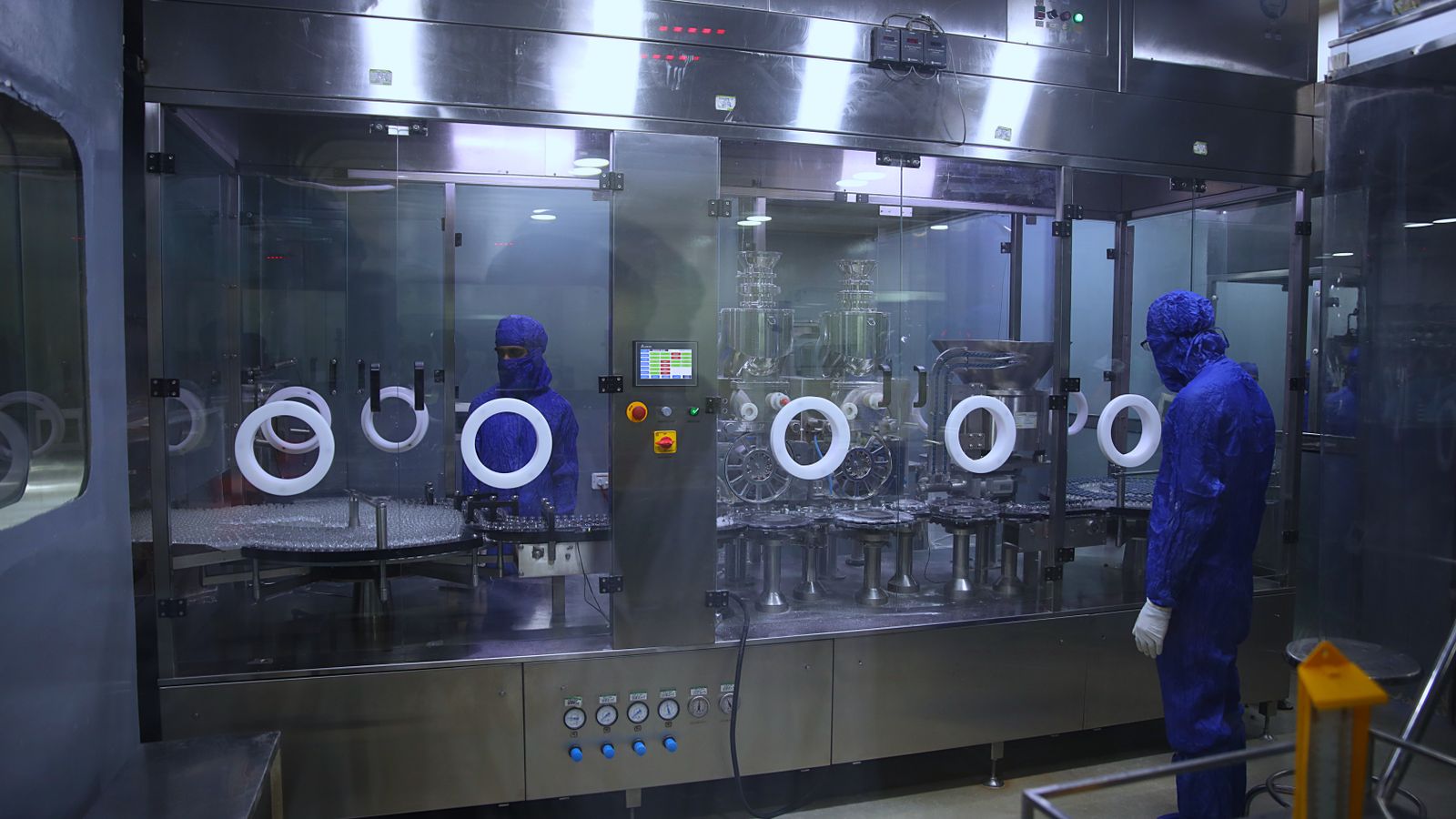
Workers in protective gear inside a sterile pharmaceutical manufacturing plant in Rawalpindi, Pakistan.
NeoCannBio Expands Manufacturing Footprint
NeoCannBio is building a Good Manufacturing Practice-compliant cannabis facility to meet rising domestic demand for medical cannabis products in South Korea. The company's expansion targets pharmaceutical-grade production, a requirement under South Korean law for all cannabis-derived medicines. South Korea legalized medical cannabis imports in 2019 but permits domestic cultivation only under highly controlled pharmaceutical manufacturing standards.
The new facility will position NeoCannBio as one of the few domestic producers capable of serving South Korea's medical cannabis market without relying on imported raw material. Regulations require all cannabis products to meet pharmaceutical-grade purity standards enforced by the Ministry of Food and Drug Safety. GMP certification is the baseline credential for participation in the legal supply chain.
NeoCannBio's capacity build follows a pattern seen across Asia-Pacific markets where medical cannabis frameworks favor pharmaceutical manufacturers over traditional cultivation operators. High capital requirements and regulatory overhead create steep barriers to entry. Market share concentrates among biotech firms with existing pharmaceutical infrastructure.
South Korea's Pharmaceutical-Only Cannabis Model
South Korea permits medical cannabis only through prescription for a narrow set of conditions, with all products sourced from pharmaceutical manufacturers or approved imports. The Ministry of Food and Drug Safety maintains a restrictive formulary, approving cannabis-derived drugs primarily for epilepsy, chemotherapy side effects, and multiple sclerosis. Patients can't access flower or non-pharmaceutical formulations.
The regulatory model mirrors frameworks in Germany and Australia, where medical cannabis operates within pharmaceutical supply chains rather than dispensary systems. Doctors must apply for special authorization to prescribe cannabis products. Pharmacies dispense them like controlled substances. There's no legal pathway for recreational use or cultivation.
Domestic production under GMP standards offers cost advantages over imports, which face tariffs and supply-chain delays. NeoCannBio's facility could reduce reliance on foreign suppliers while maintaining the pharmaceutical-grade quality South Korean regulators demand. The company hasn't disclosed production capacity or target launch date.
Asian Medical Cannabis Markets Favor Pharmaceutical Players
South Korea's approach reflects a broader trend in Asia, where medical cannabis legalization favors biotech firms over agriculture-focused operators. Thailand legalized medical cannabis in 2019 and briefly decriminalized recreational use before reversing course in 2024. It now enforces a pharmaceutical-manufacturing model similar to South Korea's. Japan permits CBD imports but bans THC entirely, limiting market opportunities to non-intoxicating derivatives.
The pharmaceutical-only framework creates a bifurcated global cannabis industry. North American MSOs operate dispensary networks and vertically integrated cultivation. Asian operators focus on API production, clinical trials, and pharmaceutical partnerships. NeoCannBio's GMP facility aligns with the latter model, targeting institutional buyers and prescription channels rather than consumer retail.
For context on how South Korea's medical cannabis framework compares to other restricted markets, see the CannIntel topic hub on South Korea Medical Cannabis.
The next signal to watch: whether South Korea's Ministry of Food and Drug Safety expands its approved-condition list or loosens prescription requirements, which would materially increase addressable market size for domestic producers like NeoCannBio. Until then, the market remains small. Tightly controlled. And pharmaceutical-only.
For complete background, history, and our ongoing coverage of this story:
Open the CannIntel topic hub →Frequently asked questions
What is NeoCannBio building in South Korea?
NeoCannBio is constructing a GMP-certified cannabis production facility to manufacture pharmaceutical-grade medical cannabis products for the domestic South Korean market. The facility will comply with strict pharmaceutical manufacturing standards required by South Korean law.
Is medical cannabis legal in South Korea?
Yes, but only under highly restrictive conditions. South Korea legalized medical cannabis imports in 2019 and permits limited domestic cultivation under pharmaceutical protocols. Patients need special prescriptions for a narrow list of conditions, and all products must meet pharmaceutical-grade standards.
What conditions qualify for medical cannabis in South Korea?
South Korea's Ministry of Food and Drug Safety approves medical cannabis primarily for epilepsy, chemotherapy side effects, and multiple sclerosis. Doctors must apply for special authorization to prescribe cannabis products, and only pharmaceutical formulations are permitted.
Why does South Korea require GMP certification for cannabis?
South Korea treats medical cannabis as a pharmaceutical product, not an agricultural commodity. GMP certification ensures products meet strict purity, quality, and safety standards enforced by the Ministry of Food and Drug Safety, aligning cannabis with other controlled prescription drugs.
How does South Korea's cannabis model compare to other Asian countries?
South Korea follows a pharmaceutical-only model similar to frameworks in Thailand and Australia, favoring biotech firms over dispensary systems. Japan permits only CBD imports, while Thailand reversed its brief recreational decriminalization in 2024 to enforce pharmaceutical-manufacturing standards.
Sources
The cannabis newsletter you forward to your team.
Federal policy, market data, grower alerts, and the one story that matters today. Sent every weekday at 7am. Free.
No spam. Unsubscribe with one click. 21+ only.
Related from Business
First Medical Cannabis Dispensary Opens in North Alabama
Operators launch the region's inaugural medical cannabis retail location as Alabama's program expands northward.

High Tide Reports Record Q3 2026 Revenue, Details Withheld
Canadian cannabis retailer announces record third-quarter results but withholds key financial metrics in initial disclosure.

Canopy Growth Narrows Losses but Stock Lags on Investor Skepticism
Despite operational improvements and reduced quarterly losses, Canopy Growth shares remain flat as investors question path to profitability.
More from the newsroom

Ohio identifies Vapen cartridge in health complaints, store closure
Vext names product after state investigation triggers dispensary shutdown and patient reports.

New York vows hemp THC beverage crackdown amid illegal retail surge
State officials acknowledge widespread unlicensed sales despite prohibition outside licensed cannabis channels.

Teen Cannabis Surveys Miss Rising Use Disorder, Kaiser Study Finds
Self-reported adolescent consumption data diverge from clinical diagnoses, masking treatment gaps in legalized states.