Operator Bulletin: California Checkout Rules, Metrc, Hemp Insurance
California retailers face new checkout duties, Minnesota operators get Metrc deadlines, a cannabis contract ruling stands, and USDA updates hemp crop insurance.

Customer interacting with cashier at boutique counter with shopping bags.
California retailers prepare for new checkout duties
California dispensaries are gearing up for added point-of-sale obligations that land on the front counter, not the back office.
MGRetailer's Nov. 20 bulletin flagged the checkout changes as the lead item for California operators. The signal summary doesn't spell out the specific statutory text. Operators should read the final rule language from the Department of Cannabis Control (DCC) before touching their POS configuration.
Checkout duties are a labor and software cost. They also create new points of failure at the register, which is where most retail violations surface in an inspection.
Minnesota operators face Metrc deadlines
Minnesota licensees face compliance deadlines tied to Metrc, the seed-to-sale tracking system, and missing them can stall operations.
On a strict reading, a tracking-system deadline is a condition of continued licensure, not an administrative courtesy. Operators who haven't finished onboarding, tag ordering, or inventory reconciliation are exposed, and Minnesota's Office of Cannabis Management (OCM), which administers the state program, won't be the one absorbing the fallout.
Sequencing is the practical risk. Integration work with a POS vendor often takes longer than the deadline suggests.
A cannabis contract ruling stands
A court ruling on a cannabis contract dispute was left in place, giving operators another data point on how courts treat these agreements.
The bulletin's summary doesn't identify the parties, court, or holding, so this item can't be analyzed further without the underlying opinion. Operators with supply, lease, or licensing agreements should have counsel pull the ruling and check whether their own contract language invites the same outcome.
Enforceability remains the recurring question in federally illegal markets. Courts haven't been uniform.
USDA updates hemp crop insurance
The U.S. Department of Agriculture updated hemp crop insurance, a change that affects how growers manage production risk.
Crop insurance is the financial backstop that lets lenders and landowners underwrite hemp acreage, and changes to coverage terms can shift the economics of planting decisions for the next season. The bulletin's description gives no premium, coverage-level, or effective-date figures, and none are assumed here.
Growers should confirm the revised terms with their crop insurance agent before finalizing 2027 planting plans.
What the tax and compliance lens adds
Every item in this bulletin ultimately lands in the cost-of-goods and compliance-expense columns, which is where IRC §280E bites hardest.
Under §280E, businesses trafficking in Schedule I or II substances can't deduct ordinary business expenses beyond cost of goods sold. Retail checkout labor, POS software, and tracking-system fees are generally operating expenses, not inventory costs. So on a strict reading, new compliance spend in California and Minnesota is likely nondeductible for plant-touching operators.
Hemp growers sit in a different position. Hemp isn't a controlled substance under federal law, so §280E doesn't apply to the same degree, and crop insurance premiums are typically deductible farm expenses. That divergence is worth modeling.
Operator action items
The four items converge on one instruction: check your deadlines, your contracts, and your coverage now rather than at renewal.
- California: obtain DCC's final checkout language and test POS workflows before the effective date.
- Minnesota: confirm Metrc onboarding status and tag inventory against the OCM schedule.
- Contracts: have counsel review the ruling against existing agreements.
- Hemp: verify revised USDA insurance terms with your agent.
Where the details are thin
The source bulletin is a summary, so effective dates, rule citations, and dollar figures must come from primary documents.
Treat this report as a prompt to verify, not a substitute for the underlying rule text, court opinion, or USDA notice. For ongoing coverage of these weekly roundups, see the CannIntel topic hub on the Cannabis Operator Bulletin.
The next signal: DCC's final checkout language and OCM's Metrc compliance schedule, both of which determine real deadlines.
Frequently asked questions
What are California's new cannabis checkout duties?
MGRetailer's Nov. 20, 2026 bulletin reports that California retailers are preparing for new checkout duties. The summary doesn't detail the requirements, so operators should review the final language from the Department of Cannabis Control before changing point-of-sale procedures.
Why do Metrc deadlines matter for Minnesota cannabis operators?
Metrc is the seed-to-sale tracking system, and compliance with state tracking deadlines is typically a condition of licensure. Minnesota operators who miss onboarding or inventory reconciliation deadlines risk operational delays and regulatory exposure.
Does IRC §280E affect new compliance costs?
For plant-touching businesses, §280E bars deductions beyond cost of goods sold. Checkout labor, software, and tracking fees are generally operating expenses, so they are likely nondeductible for dispensaries. Operators should confirm treatment with a tax professional.
What changed in USDA hemp crop insurance?
MGRetailer reports that USDA updated hemp crop insurance. The summary gives no coverage levels, premiums, or effective dates, so growers should consult their insurance agent and USDA's notice for the specific terms.
Sources
The cannabis newsletter you forward to your team.
Federal policy, market data, grower alerts, and the one story that matters today. Sent every weekday at 7am. Free.
No spam. Unsubscribe with one click. 21+ only.
Related from Business

Joliet dispensaries seek midnight hours and curbside service
Cannabis retailers in Joliet, Illinois, are pressing for extended closing times and curbside pickup, a request that lands squarely in local control of dispensary operations.

Colorado Cannabis Excise Taxes Have Funneled $703M to Schools
A Marijuana Herald report puts cumulative cannabis excise funding for Colorado public school construction at $703 million, reframing the state's tax-dependence debate.
Tilray's Cash-Over-Debt Pitch Meets a Skeptical Market Test
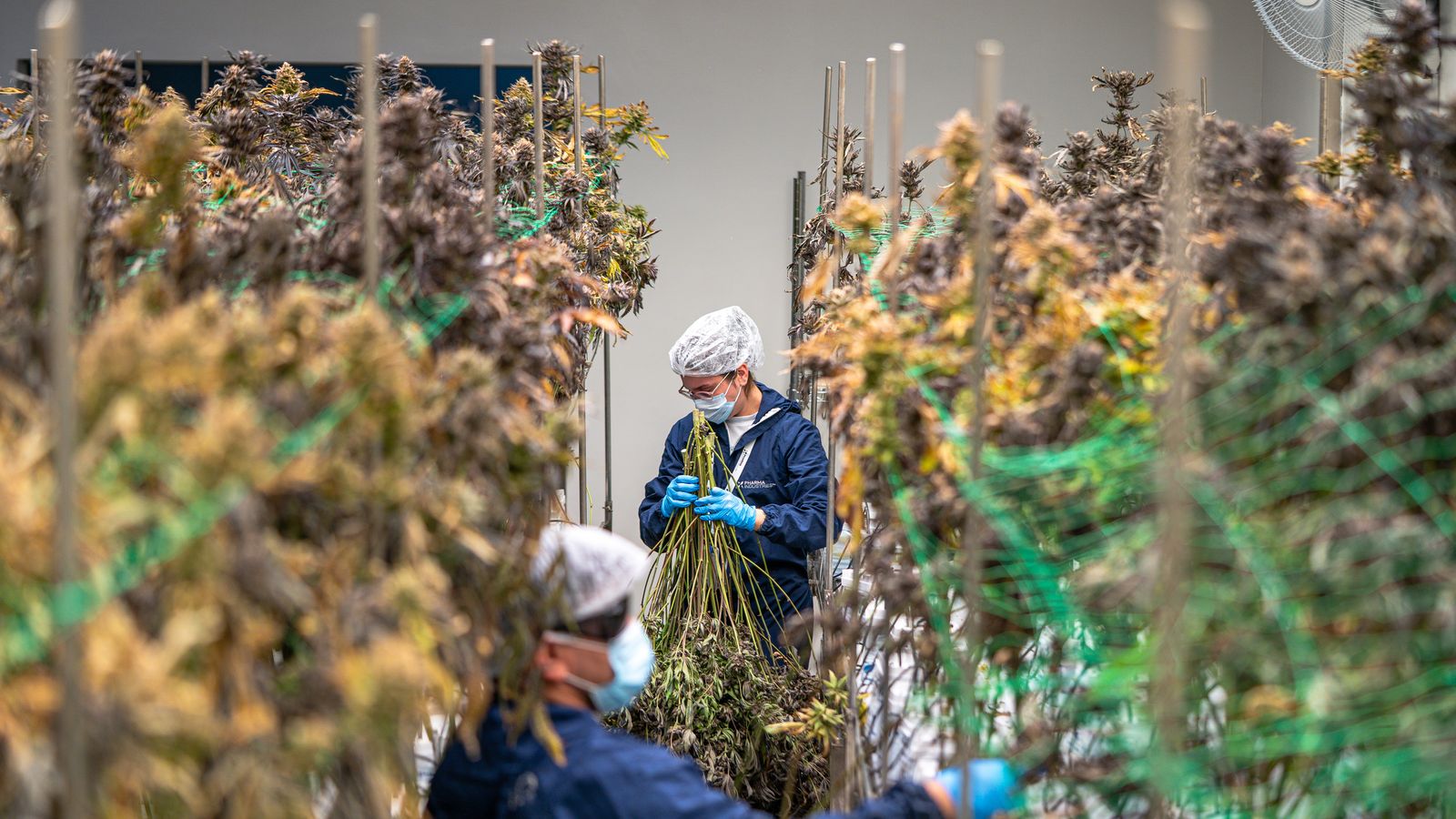
A Globe and Mail analysis spotlights Tilray's net-cash position and 71% European growth, but the buy case rests on what the headline numbers leave out.
More from the newsroom
Congressional Researchers Cite 280E as Model for Taxing AI Data Centers
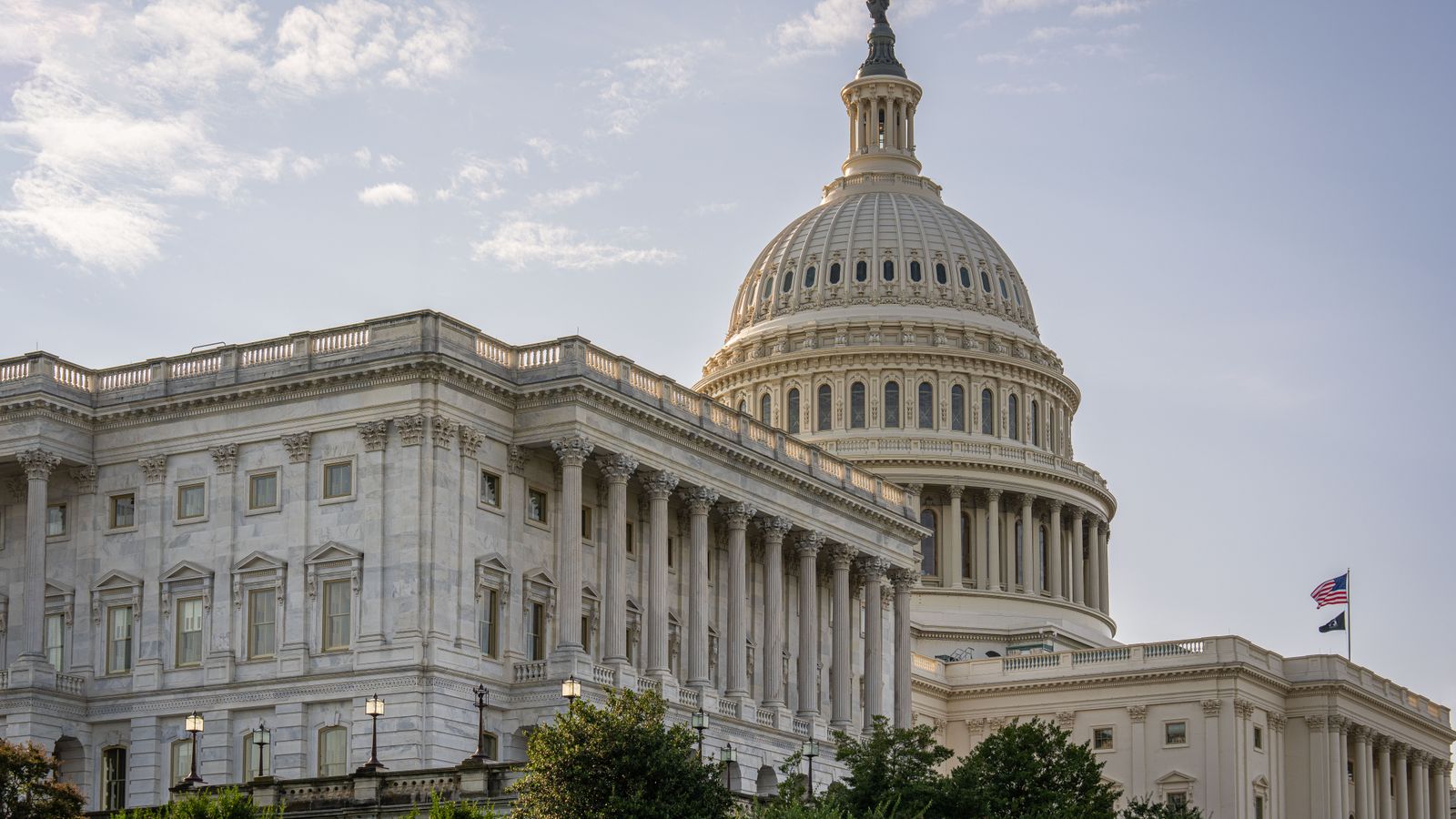
Congressional researchers are pointing to the cannabis industry's 280E deduction ban as a template for taxing AI data centers, per a Marijuana Herald report.

Federal hemp ban puts pet CBD market and animal safety at risk
Hemp-derived CBD products for pets face disappearance under the federal hemp ban, and neither regulators nor lawmakers have a plan for what replaces them.

Federal hemp ban puts pet CBD products in regulatory limbo
Hemp-derived CBD products for pets face disappearance under the federal hemp ban, raising a safety and market question few regulators have addressed.