North Country Cannabis Sales Top $1M in Tax Revenue, WWNY Reports
Upstate New York's far-north counties are generating seven-figure sales tax receipts from legal cannabis, a rural data point in a state still sorting out its market.
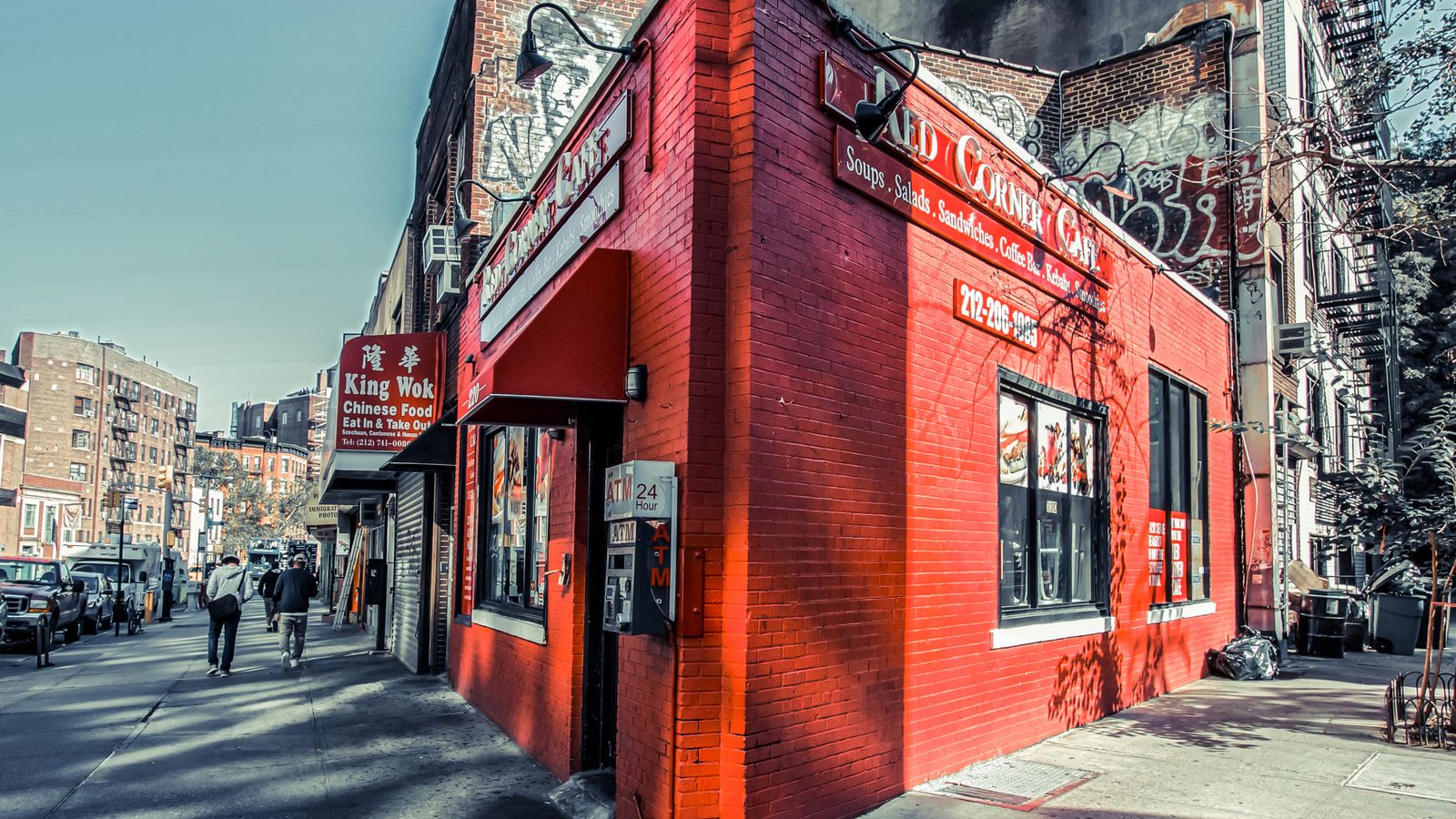
Vibrant red corner cafe in bustling New York City, capturing urban life.
North Country dispensaries cross the $1 million tax mark
Legal cannabis sales in New York's North Country have generated about $1 million in sales tax revenue, according to WWNY's November 24, 2026 report.
The figure comes from local television coverage of the region, which covers the northernmost counties of upstate New York along the St. Lawrence River and the Canadian border. WWNY's headline frames the number as a milestone for a corner of the state that sits far from the Manhattan and Brooklyn retail corridors that dominate most coverage of the rollout.
CannIntel couldn't review the full WWNY text at the time of publication. County-by-county breakdowns, the exact reporting period and the specific revenue streams behind the $1 million total aren't confirmed here. Treat the headline figure as the verified datapoint. The rest is context.
Why a rural tax figure matters in New York's rollout
A seven-figure tax haul in the North Country suggests licensed retail is gaining traction well outside New York City, where the Office of Cannabis Management (OCM) has concentrated much of its oversight.
Since the first dispensaries opened, New York's adult-use market has drawn criticism on two fronts. Licensing was slow, and the legal market has had to compete with a large unlicensed retail sector. Rural counties were an open question. Smaller populations mean thinner customer bases, yet operators carry the same compliance and lease burdens as their downstate peers.
A $1 million tax figure doesn't settle that question. It does show the licensed channel is moving real volume in places where the traditional market had a head start. For an operator weighing a license application or an expansion, that counts for something.
The border factor: a Canadian comparison
The North Country sits next to Ontario and Quebec, two provinces that have run regulated adult-use markets since Canada's federal legalization in October 2018.
That proximity makes the region a natural comparison point. Health Canada oversees the federal licensing framework, while the provinces control retail. Ontario opted for a private-retail model after an early government-run online phase. Quebec kept a state-operated retail chain, the SQDC, with tighter restrictions on products and promotion. Neither system maps cleanly onto New York's hybrid of state-licensed private operators and a social-equity priority track.
Cross-border shopping is a live variable that's hard to measure. Cannabis remains illegal to carry across the international line in either direction. So the tax revenue captured in the North Country reflects local and domestic demand, not a legal export of product. German border regions are a different case: debates over cannabis tourism have followed the 2024 legalization under the Cannabis Act (CanG). Northern New York is a domestic story with an international backdrop.
What the $1 million does and doesn't tell operators
Sales tax receipts measure retail throughput, not profitability, and they say nothing yet about whether North Country operators are covering their costs.
Three gaps keep the number from being a full read on market health. First, tax revenue is a gross figure on sales, so it can't show margins in a state where 280E-style federal tax treatment, wholesale price compression and licensing costs squeeze operators. Second, the reporting window matters. A cumulative figure over many months reads very differently from a single quarter. Third, a regional total can mask a handful of high-performing stores carrying everyone else.
There's a fair editorial read here. A milestone headline is easy to celebrate, but the more useful number for the industry is per-store revenue against local operating costs. That's the data to press OCM and county treasurers for.
For state and local governments, the math is simpler. New York collects a combination of state and local sales taxes on adult-use cannabis, and counties share in a portion of the take. A seven-figure total in a low-population region is meaningful local budget revenue, whatever the operator-level economics look like. For more background on how the state's market has developed, see the CannIntel topic hub on the New York cannabis rollout.
For complete background, history, and our ongoing coverage of this story:
Open the CannIntel topic hub →Frequently asked questions
How much cannabis sales tax has the North Country generated?
According to WWNY's November 24, 2026 report, North Country cannabis sales have produced roughly $1 million in sales tax revenue. The reporting period and county-level breakdown weren't available to CannIntel at publication.
What is the North Country in New York?
The North Country is the northernmost region of upstate New York, running along the St. Lawrence River and the Canadian border. It's largely rural, with smaller populations than downstate markets like New York City.
Does the $1 million figure show dispensaries are profitable?
No. Sales tax receipts measure retail sales volume, not profit. Margins depend on wholesale costs, rent, licensing fees and federal tax treatment under 280E, none of which the tax figure captures.
Who regulates cannabis in New York?
New York's Office of Cannabis Management (OCM) and the Cannabis Control Board oversee licensing and enforcement for the adult-use market, with the state tax department handling cannabis tax collection.
Sources
The cannabis newsletter you forward to your team.
Federal policy, market data, grower alerts, and the one story that matters today. Sent every weekday at 7am. Free.
No spam. Unsubscribe with one click. 21+ only.
Related from Business

Chicopee Dispensary Opens Western Mass. Drive-Thru Window
A Chicopee cannabis retailer opened the area's first drive-thru window, per Western Mass News, putting a new service format in front of Massachusetts regulators and rivals.

New York Cannabis Nursery Application Process Draws Scrutiny
MJBizDaily's Nov. 24 report asks what happened to New York's cannabis nursery applications, a licensing question with real tax and compliance consequences for operators.
Jushi Moves to Acquire Illinois Cultivation and Processing Facility
Jushi Holdings is adding Illinois cultivation and processing capacity, according to a Cannabis Equipment News report, but the financial terms are not in the available signal.
More from the newsroom

NH Lawmaker Says Legalization Has Best Shot as Democrats Near Veto-Proof Majority
A New Hampshire lawmaker told The Marijuana Herald that adult-use legalization has its strongest opening yet, tied to a Democratic seat count approaching the threshold to override a governor's veto.

SafeTiva CEO Dobro Weighs In on Massachusetts CCC Testing Reform
A Massachusetts testing-lab chief executive publicly broke down the Cannabis Control Commission's proposed testing overhaul, but the signal does not disclose which rule changes are on the table.

Retailers urged to act as hemp THC rules face Dec. 11 deadline
A CSP Daily News report says convenience retailers should prepare now for a Dec. 11 hemp regulation deadline, but the underlying rule's details remain unconfirmed.