Missouri sets final microbusiness lottery under stricter eligibility rules
State regulators tighten social equity criteria and ownership caps as last round of micro licenses approaches.
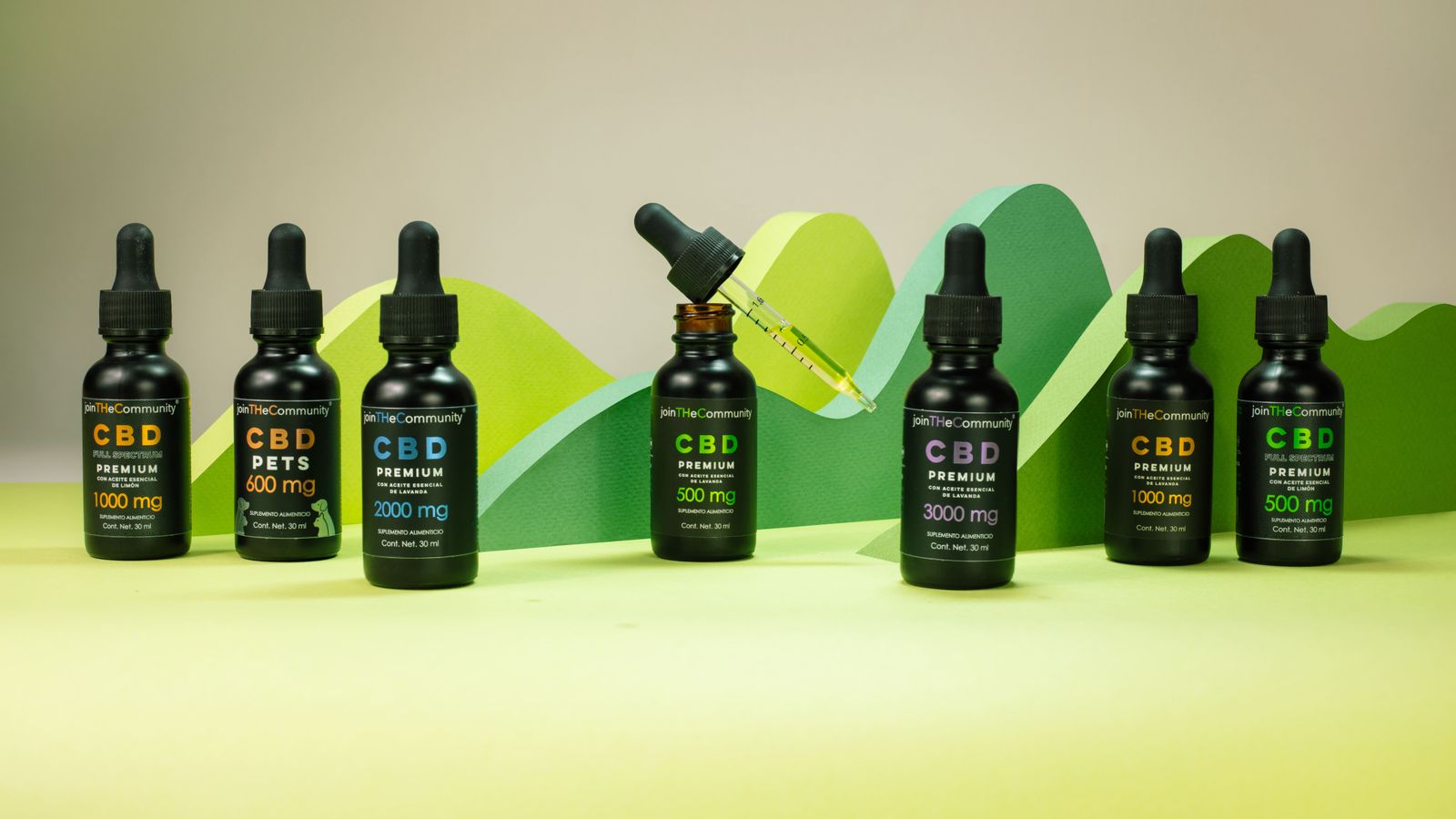
Array of CBD oil bottles with varied dosages on a green backdrop, ideal for wellness themes.
Final Lottery Closes Social Equity Window
Missouri will conduct its last microbusiness lottery in September 2026, after which the state transitions to merit-based application review for all new licenses. The Division of Cannabis Regulation confirmed the shift follows legislative changes passed in HB 402 earlier this year, which eliminated the lottery mechanism in favor of competitive scoring.
Forty-eight microbusiness licenses are up for grabs. The final lottery will award them across cultivation, manufacturing, and retail categories. Applications open August 26 and close September 9, 2026. Winners will be drawn September 16.
This marks the third and final lottery round since Missouri voters approved Amendment 3 in November 2022. Previous rounds awarded 144 licenses in February 2024 and 96 licenses in August 2025.
Tougher Eligibility Screens Social Equity Applicants
New rules require microbusiness applicants to demonstrate Missouri residency for at least three consecutive years and disclose all beneficial owners holding 5% or greater stakes, down from the previous 10% threshold. Applicants must also certify that no individual holds ownership in more than two microbusinesses statewide, a cap designed to prevent license consolidation by well-capitalized groups.
Social equity scoring criteria now require applicants to document cannabis-related arrests or convictions that occurred in Missouri, not other states. Previous rounds accepted out-of-state records if the offense would've been a Missouri felony. The residency and documentation changes disqualify an estimated 18-22% of applicants who qualified under prior lottery rules, according to informal surveys conducted by Missouri Cannabis Trade Association members.
The Division justified the changes as necessary to prevent fraud and ensure licenses reach Missouri residents directly harmed by prohibition. Critics argue the residency requirement disadvantages immigrants and recent arrivals from Latin American markets where cannabis entrepreneurship is emerging.
Merit-Based Licensing Begins October 2026
Starting October 1, 2026, all new cannabis business applications will be evaluated on a 200-point scoring rubric that weighs capitalization, operational plans, community impact, and social equity factors. The rubric awards up to 50 points for social equity criteria, 60 points for financial readiness, 50 points for operational experience, and 40 points for community benefit plans.
The merit system eliminates the randomness of lottery draws but raises the barrier to entry for undercapitalized applicants. Legal and consulting fees for a competitive merit application typically range from $40,000 to $80,000, compared to $2,500 to $5,000 for lottery submissions. Expect the shift to favor applicants with access to institutional capital or partnerships with existing multi-state operators, industry observers say.
Missouri's transition mirrors policy moves in Illinois and New Jersey, where lottery systems were replaced by scored applications after equity advocates complained that random draws rewarded luck over preparedness. Whether merit scoring delivers better equity outcomes remains contested. Illinois data shows that merit-based rounds awarded licenses to applicants with higher average net worth than lottery rounds, though the state disputes the comparison as methodologically flawed.
What Microbusiness Operators Face Next
License winners from the final lottery will have 12 months to secure real estate, pass inspections, and commence operations, the same timeline granted to previous cohorts. Failure to open within that window results in license forfeiture without refund of the $2,500 application fee or the $10,000 initial license fee.
Microbusiness licenses carry annual revenue caps: $500,000 for cultivation, $750,000 for manufacturing, and $1 million for retail. Operators exceeding those thresholds must convert to standard licenses, which carry higher fees and lose access to certain tax advantages reserved for microbusinesses under Missouri's tiered tax structure.
The Division hasn't announced whether it'll raise revenue caps or adjust the microbusiness category in future rulemakings. For context on Missouri's evolving microbusiness framework and prior lottery outcomes, see the CannIntel topic hub on Missouri Microbusiness Lottery.
Applicants who miss the September lottery or fail to win can reapply under the merit system beginning October 1. First merit-based licenses are expected in Q1 2027.
Frequently asked questions
When does Missouri's final microbusiness lottery close?
Applications close September 9, 2026. Winners will be drawn September 16, 2026. After this lottery, Missouri transitions to merit-based application review starting October 1, 2026.
What are the new residency requirements for Missouri microbusiness applicants?
Applicants must demonstrate at least three consecutive years of Missouri residency and disclose all beneficial owners holding 5% or greater stakes. Previous rounds required only one year of residency and a 10% ownership disclosure threshold.
How does Missouri's merit-based system differ from the lottery?
The merit system scores applications on a 200-point rubric covering financial readiness, operational plans, social equity, and community impact. It eliminates random selection but raises typical application costs from $2,500-$5,000 to $40,000-$80,000 due to consulting and legal fees.
What happens if a microbusiness exceeds its revenue cap?
Operators exceeding $500,000 (cultivation), $750,000 (manufacturing), or $1 million (retail) must convert to standard licenses, which carry higher fees and lose access to microbusiness tax advantages.
Can applicants who lose the lottery reapply under the merit system?
Yes. Applicants who do not win the September lottery can submit applications under the merit-based system starting October 1, 2026. The Division expects to issue the first merit-based licenses in Q1 2027.
Sources
The cannabis newsletter you forward to your team.
Federal policy, market data, grower alerts, and the one story that matters today. Sent every weekday at 7am. Free.
No spam. Unsubscribe with one click. 21+ only.
Related from Business

Organigram enters fight for Aurora as Curaleaf bid clock runs
British American Tobacco's stake in Organigram could put the tobacco giant at the center of the Aurora contest before Curaleaf's offer expires Dec. 4.

Tilray Medical Wins Approval for In-House EU-GMP Cannabis Testing
Tilray Medical can now run EU-GMP quality testing in-house, a move that could shift lab costs and batch-release timing, though key details remain undisclosed.

Canopy Growth Secures EU-GMP Certification at Smiths Falls
Canopy Growth's Smiths Falls site is now certified for softgel manufacturing and primary packaging of softgels, oral liquids and dried flower, extending its EU-GMP supply chain.
More from the newsroom

DEA Judge Orders New Replies as Marijuana Rescheduling Stays Stalled
A DEA administrative law judge ordered fresh replies in the Schedule III proceeding, which remains sidelined with no final rule in sight.

Vermont Event Permits Could Open Legal Cannabis Sales at Fairs
WCAX reports a Vermont event-permit concept could extend legal cannabis sales past licensed storefronts to community events, though the rules remain unpublished in the available report.

South Dakota AG Says Medical Marijuana Law Already Meets Rescheduling
A South Dakota attorney general opinion says existing medical marijuana rules need no changes after federal rescheduling, a template other state regulators may copy.