Southeast Minnesota Opens First Cannabis Lounge Under State Social-Use Rules
A new consumption venue marks the latest milestone in Minnesota's adult-use rollout as operators test the social-lounge economics.
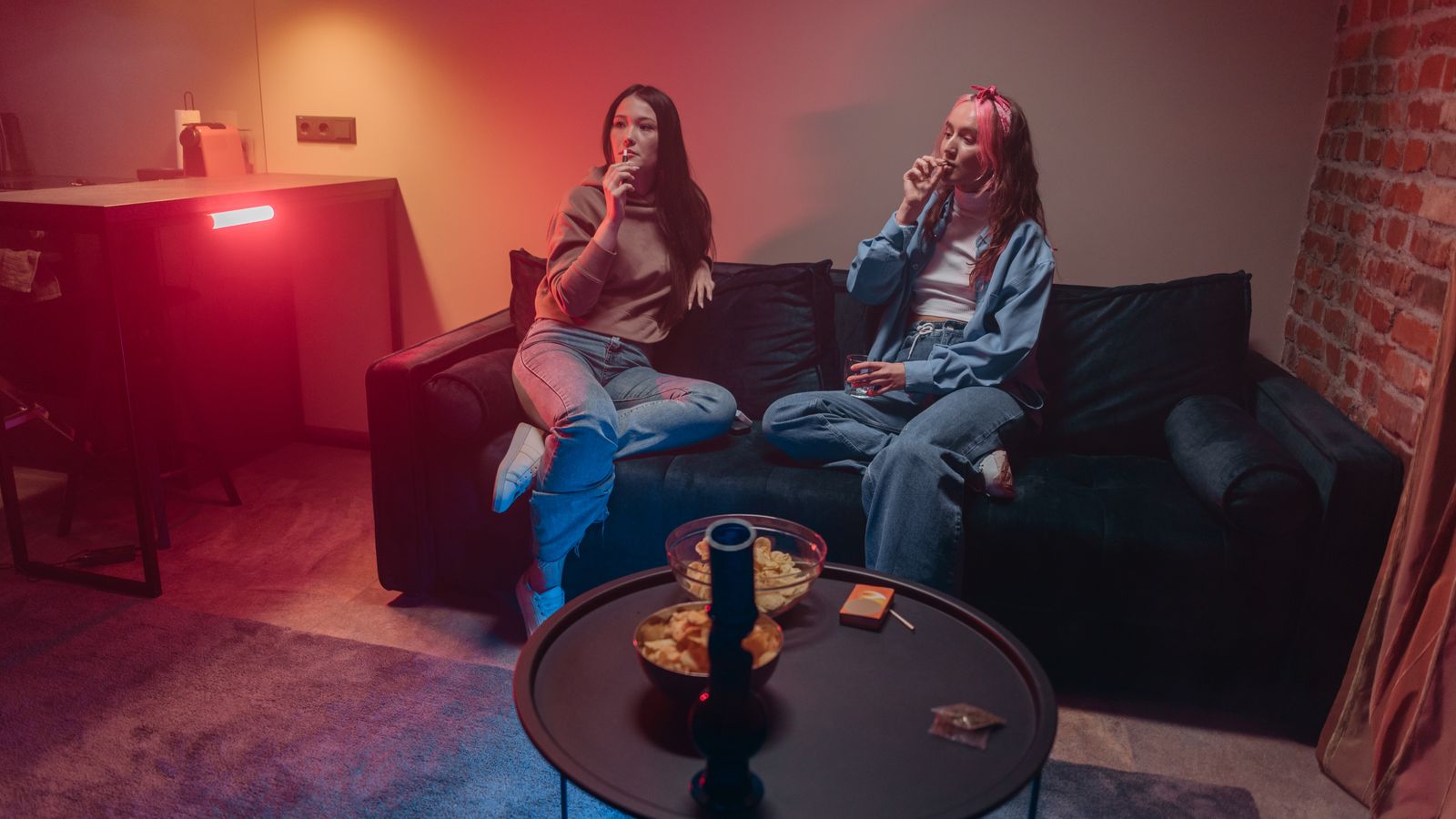
Two women enjoying a relaxed evening with snacks and smoke on a sofa indoors.
Lounge Opening Extends Minnesota's Social-Use Footprint
The new lounge becomes the first licensed on-site consumption venue in southeast Minnesota, a region that's lagged the Twin Cities in adult-use infrastructure. Minnesota's OCM began accepting applications for social-consumption endorsements in early 2025, but most approved facilities have concentrated in Hennepin and Ramsey counties. This southeast opening signals geographic expansion as the state's regulatory framework matures.
Operators face a distinct economic profile compared to retail dispensaries. Key variables:
- Revenue model: consumption fees plus ancillary sales (food, beverages, paraphernalia), not direct cannabis retail
- Compliance burden: ventilation standards, age verification, public-health signage requirements
- Licensing cost: OCM charges a $5,000 annual endorsement fee on top of base retail or microbusiness licenses
The bull case rests on repeat traffic and higher per-visit spend. Bear case? Thin margins on consumption fees and capital-intensive buildouts.
Investor Implications: Testing the Social-Use Thesis
Multi-state operators with Minnesota exposure are watching lounge economics closely as analogues to Nevada and Alaska social-use models. No MSO has disclosed lounge-specific EBITDA in public filings, but private operators in Nevada have reported average ticket sizes 40-60% above retail-only formats when food and beverage are bundled.
Minnesota's statute allows vertical integration, meaning a cultivator can own both a retail license and a consumption endorsement. That structure favors margin capture but requires dual compliance infrastructure. For context, see the CannIntel topic hub on Minnesota Cannabis Lounges for full regulatory background.
What Comes Next for Minnesota Social Consumption
OCM has approved 14 consumption endorsements statewide as of September 2026, with another 22 applications pending review. The agency projects 30-40 active lounges by year-end, concentrated in the Twin Cities, Duluth, and now southeast corridors. Expansion hinges on local zoning—several municipalities have enacted consumption-venue bans under home-rule authority.
Next catalyst: OCM's Q4 guidance on delivery-to-lounge rules, which could unlock a higher-margin model if operators can source product from multiple cultivators rather than relying on vertical integration alone.
Frequently asked questions
How many cannabis lounges are open in Minnesota?
As of September 2026, Minnesota has 14 licensed consumption venues, mostly in the Twin Cities metro. The Office of Cannabis Management projects 30-40 active lounges by year-end as pending applications clear review.
What can you do at a Minnesota cannabis lounge?
Licensed lounges allow on-site consumption of cannabis products purchased elsewhere or, if vertically integrated, sold on-premises. Venues may also sell food, beverages, and accessories. Smoking and vaping are permitted where ventilation meets OCM standards.
How much does a Minnesota cannabis lounge license cost?
The OCM charges a $5,000 annual endorsement fee for social-consumption permits, layered on top of base retail or microbusiness licenses. Operators also face buildout costs for ventilation, security, and public-health compliance infrastructure.
Can Minnesota cities ban cannabis lounges?
Yes. Minnesota's adult-use statute preserves local home-rule authority, allowing municipalities to prohibit consumption venues through zoning ordinances. Several cities have enacted lounge bans despite statewide legalization.
Sources
The cannabis newsletter you forward to your team.
Federal policy, market data, grower alerts, and the one story that matters today. Sent every weekday at 7am. Free.
No spam. Unsubscribe with one click. 21+ only.
Related from Business

ConBud Yankee Stadium Opens in the Bronx Under New York's CAURD Program
A dispensary near Yankee Stadium puts New York's justice-involved licensing model back under scrutiny, in a borough that carried a disproportionate share of the state's old marijuana arrests.

Provenance Pitch Tests Whether Shoppers Pay More for Flower
Origin claims, certification and protected regional names promise growers an escape from THC-percentage pricing, but the premium depends on shopper behavior, not branding.

Terrabis Opens Drive-Thru Dispensary in Mundelein, Illinois
Terrabis added a drive-thru lane to its Mundelein, Illinois dispensary, a convenience play that tests how far format can stand in for price in a crowded Chicago-area market.
More from the newsroom

Utah Opens Comment Window on Medical Cannabis Rules Through Dec. 15
Operators, patients and tax advisers have until December 15 to weigh in on Utah's proposed medical cannabis rules, and the filing details matter more than the headline.

Alaska Considers Letting Marijuana Stores Operate 24 Hours a Day
A proposal under review in Alaska would lift daily operating-hour limits on licensed retailers, a change that would reshape staffing, security and local-control fights.

New Hampshire Lawmakers File Seven 2027 Marijuana Bills, Two Legalizing
Seven cannabis proposals are queued for the 2027 session, two of them aimed at ending New Hampshire's status as the lone New England holdout on adult-use sales.