InterCure Settles $77M War-Damages Claim With Israeli Tax Authority
The Canndoc parent company finalized compensation for indirect losses tied to conflict disruption, closing a multi-year claim.
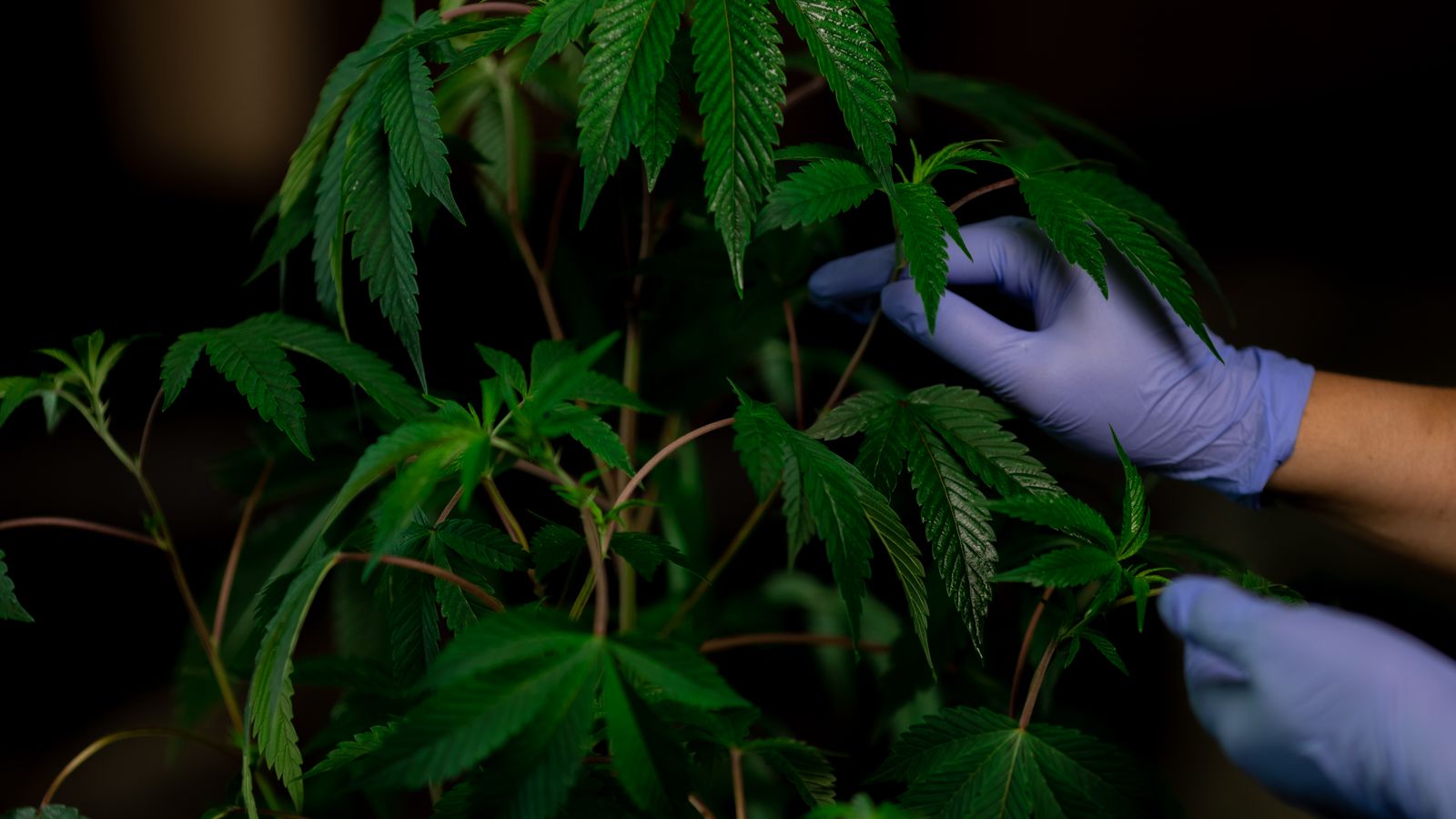
Cannabis plant being examined, showcasing green leaves and latex gloves.
Settlement Mechanics and Timeline
InterCure will receive the $77 million payout in stages under a structured agreement with Israel's Tax Authority, according to the company's disclosure. The settlement closes a claim the Herzliya-based operator filed under the Property Tax and Compensation Fund Law, a statutory framework that compensates businesses for losses tied to war, terrorism, and hostile actions. InterCure didn't disclose when it originally filed the claim or specify which conflict period triggered the damages.
The company operates Israel's largest licensed medical-cannabis cultivation and distribution network under the Canndoc brand. War-related disruptions—including the October 2023 Hamas attacks and subsequent ground operations in Gaza—forced Israeli cannabis operators to confront labor shortages, supply-chain bottlenecks, and patient-access restrictions. InterCure's settlement suggests the indirect losses extended beyond physical asset damage. Revenue and operations took the hit.
Statutory Framework for War-Damage Claims
Israel's Property Tax and Compensation Fund Law allows businesses to recover losses from hostile actions even when assets remain physically intact. The statute covers indirect damages—lost revenue, increased costs, supply-chain disruption—not just destroyed property. That distinction matters for cannabis operators. Their losses during wartime often stem from curfews, transport bans, and workforce displacement rather than bombed greenhouses.
The Tax Authority administers the fund and adjudicates claims. Payouts are tax-exempt under Israeli law. InterCure's $77 million award ranks among the largest disclosed settlements in the cannabis sector, though the company hasn't itemized which operational losses qualified for compensation. The settlement is final. No appeals.
The $77 million award ranks among the largest disclosed war-damage settlements in Israel's cannabis sector, though InterCure has not itemized the operational losses that qualified.
InterCure's Market Position and Financial Context
InterCure controls roughly 30 percent of Israel's medical-cannabis market through its Canndoc subsidiary, making it the country's dominant licensed operator. The company reported 2025 revenue of approximately $85 million, meaning the settlement equals nearly 91 percent of last year's top line. That scale underscores the magnitude of war-related disruption to Israel's cannabis supply chain.
InterCure trades on the Tel Aviv Stock Exchange under ticker INCR. Shares closed at 12.40 shekels on August 23, up 18 percent year-to-date but still 42 percent below pre-war highs. The company hasn't disclosed whether the settlement proceeds will fund expansion, debt reduction, or shareholder distributions. For full background on Israel's cannabis sector and regulatory environment, see the CannIntel topic hub on Israel's cannabis industry.
Operational Implications for Israeli Cannabis Operators
The settlement establishes a precedent for other Israeli cannabis companies filing war-damage claims under the same statute. At least three smaller licensed producers—Breath of Life, IMC Holdings, and Tikun Olam—disclosed similar claims in 2024 and 2025 earnings filings, though none have announced final awards. InterCure's $77 million payout may reset expectations for claim valuations, particularly for operators who can document revenue losses tied to October 2023 and subsequent months.
Israel's medical-cannabis patient count dropped 11 percent between October 2023 and March 2024, according to data from the Ministry of Health's Medical Cannabis Unit. Cultivation output fell 19 percent during the same period. Those declines translated into lost sales for operators like InterCure, whose distribution network spans every regional health district, and the settlement compensates for that revenue shortfall even though the exact loss-calculation methodology remains undisclosed.
Sources
The cannabis newsletter you forward to your team.
Federal policy, market data, grower alerts, and the one story that matters today. Sent every weekday at 7am. Free.
No spam. Unsubscribe with one click. 21+ only.
Related from Business

Study Links Illinois Dispensary Openings to Nearby Business Gains
Researchers at CUNY, Northern Illinois University and the University of Miami tied new Illinois dispensaries to higher foot traffic, purchases and revenue at neighboring businesses.

Study Finds Dispensary Openings Lift Nearby Business Activity
Marijuana Moment reported a study linking new legal dispensaries to economic gains for neighboring businesses, a finding with implications for zoning fights and Latin American retail design.

Ascend Wellness Opens Marlton, NJ Social Equity Dispensary
Ascend Wellness added a Marlton adult-use store through its social equity partnership program with New Jersey entrepreneur Michael Santana, with ownership and tax terms undisclosed.
More from the newsroom

Nebraska Growers Face Years-Long Wait for Cannabis Testing
Cannabis Equipment News reported Nebraska growers may wait years for testing capacity, a gap with direct 280E and inventory consequences for licensees.

New Jersey Weighs CREAMMA Drug-Testing Amendment for Safety Jobs
A JD Supra report says New Jersey is considering a CREAMMA amendment on drug testing for safety-sensitive positions. Key details remain unpublished.

NORML Poll: Candidates' Cannabis Views Will Sway November Voters
NORML says a new poll shows candidates' cannabis positions will factor into voter choices, two weeks before the November 3 midterms.