State fairs hand out cannabis awards, but sales lift remains unclear
As U.S. state fairs adopt cannabis competitions, operators question whether trophy cases translate to revenue.

A collection of soccer and baseball trophies displayed indoors, capturing childhood nostalgia.
State fairs formalize cannabis competitions in 2026
At least seven U.S. state fairs now include regulated cannabis categories, judged alongside heirloom tomatoes and prize livestock. California, Colorado, Oregon, Michigan, Illinois, Massachusetts, and Washington state agricultural boards have added flower, extract, and edible divisions to their annual fair lineups. Entries are lab-tested for compliance. Panels of horticulturists and certified sommeliers award ribbons under the same governance structure as traditional crop competitions.
The shift marks a departure from legacy "cannabis cups" organized by private media brands or advocacy groups. State-fair awards carry implicit government endorsement and attract entrants who view agricultural legitimacy as a brand differentiator. Entry fees range from $150 to $500 per category, with some fairs capping submissions at 200 entries to manage lab-testing volume.
Colorado's State Fair, held in Pueblo in late August, reported 180 flower entries and 140 extract entries in its inaugural cannabis division. Michigan's fair in September drew 95 cultivators. Competitions are open only to licensed operators in good regulatory standing, excluding legacy-market growers who dominated earlier unregulated contests.
Sales impact of awards remains unquantified
No multi-state operator has published sales data attributing revenue lift to award wins, and dispensary buyers report mixed signals on consumer response. A Massachusetts dispensary chain told trade press that shelf-talkers highlighting a "Best Sativa" win at the state fair correlated with a 12% week-over-week sales increase for that SKU. But the chain couldn't isolate the award from concurrent promotional discounts and menu placement.
Oregon retailers noted that award-winning strains frequently sell at lower velocity than non-awarded cultivars with stronger brand recognition or influencer endorsements. One Portland buyer said: "Customers ask for the grower's name or the terpene profile. They don't ask if it won a ribbon."
The value proposition of awards is reputational, not transactional—cultivators use wins to negotiate better wholesale terms and justify premium pricing, but the end consumer rarely knows or cares.
This mirrors dynamics in the wine and spirits industries, where competition medals drive distributor interest and on-premise placements more effectively than they drive direct consumer purchases. Cannabis operators are adapting that playbook, using awards in B2B pitches to dispensary buyers rather than in consumer-facing advertising.
European and Canadian models offer contrasts
Health Canada and European regulators haven't endorsed cannabis competitions, leaving award ecosystems in those markets entirely private and unregulated. Germany's BfArM, which oversees the medical cannabis program, doesn't recognize third-party quality awards. Pharmacies are prohibited from advertising strain superiority claims based on contest results. The regulatory posture reflects a medical-first framework that treats cannabis as pharmaceutical input, not agricultural product.
Canada's legal market has seen private cannabis cups organized by provincial trade groups, but without government sanction. The Ontario Cannabis Store doesn't feature award-winning products in dedicated merchandising, and provincial advertising restrictions limit how producers can promote wins. Canadian awards function primarily as industry networking events rather than commercial levers.
The U.S. state-fair model, by contrast, treats cannabis as an agricultural commodity eligible for the same public recognition as corn, hops, or apples. That framing opens pathways for award-based marketing that remain closed in jurisdictions with medical-only or tightly restricted adult-use frameworks. Whether that regulatory permissiveness translates to measurable sales advantage is the open question operators are now testing in real time.
What operators should watch in award ROI
Cultivators entering state-fair competitions should track three metrics: wholesale price premium, retailer adoption rate, and consumer repeat-purchase behavior for awarded SKUs. If a trophy doesn't yield higher per-unit wholesale pricing or faster sell-through velocity, the $500 entry fee and lab-testing costs represent sunk marketing spend with no return.
Some operators are treating awards as loss-leader brand investments, banking on long-term halo effects rather than immediate revenue bumps. That strategy works only if the award translates into durable brand equity—measured by unaided recall in consumer surveys or by dispensary buyer preference in blind tastings six months post-win.
For context on how cannabis marketing strategies are evolving in regulated markets, see the CannIntel topic hub on Cannabis Awards and Marketing.
Next signal: third-quarter earnings calls from MSOs, where investor relations teams may be pressed to quantify award-driven revenue if operators continue to tout competition wins in press releases. Until then, the sales case for cannabis awards remains anecdotal.
Sources
The cannabis newsletter you forward to your team.
Federal policy, market data, grower alerts, and the one story that matters today. Sent every weekday at 7am. Free.
No spam. Unsubscribe with one click. 21+ only.
Related from Business
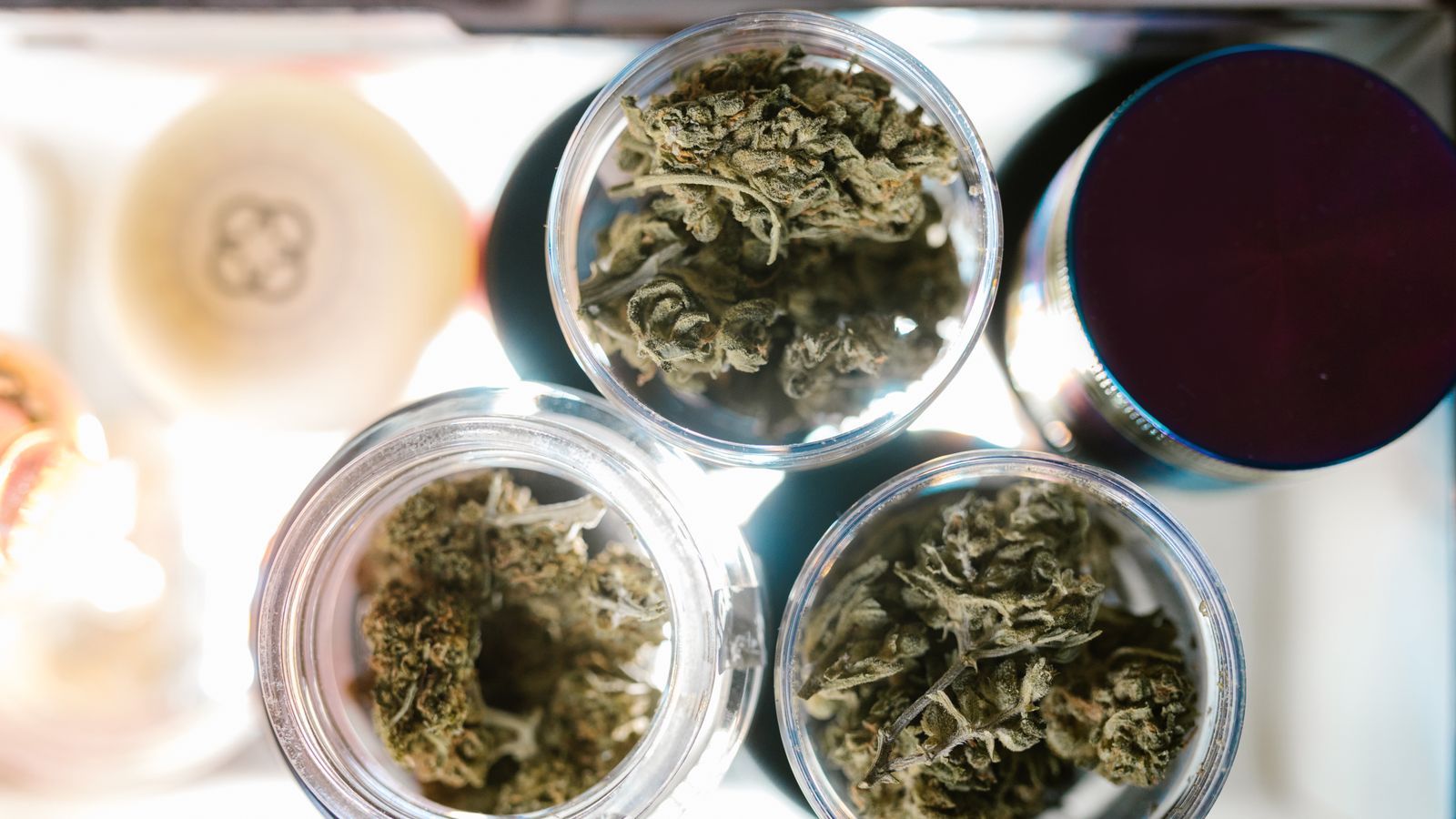
Delaware adult-use cannabis sales hit $53.4M in first year
The state's recreational market generated $53.4 million in sales between August 2025 and July 2026, according to state data.

Cannabis Awards Go Mainstream, but Sales Impact Remains Unproven
Industry recognition programs proliferate as brands seek differentiation, yet operators report mixed revenue results from trophy wins.

Cannabis Awards Go Mainstream as State Fairs Enter Flower Competitions
State fairs now award top cannabis flower and extracts, but the direct sales lift from a win remains unquantified.
More from the newsroom

Virginia hemp THC operators sue to block August ban as North Carolina follows
Lawsuit challenges Virginia's hemp-derived THC restrictions set to take effect this month while neighboring state eyes similar crackdown.
Michigan dispensary ordered closed for bulk sales, recalled products
State regulators shut down a provisioning center for alleged violations including pound-quantity sales and distribution of recalled inventory.

California Cannabis Farms Drain Streams During Critical Drought Months
New research quantifies water extraction from cannabis cultivation in Northern California watersheds, warning of ecosystem collapse during late-summer low-flow periods.