Germany's adult-use framework, one year in: what actually changed
Cultivation associations, pharmacy access, and the European spillover effect on prices and exports.

Berlin cityscape with the Reichstag building
Germany's reform took effect in April 2024 and the operational changes are now measurable. The biggest one — and the one that has surprised even sympathetic observers — is the scale of the medical program expansion that followed.
The medical surge
The 2024 reform removed cannabis from Germany's Narcotics Act for medical prescriptions, eliminating one of the most significant administrative frictions in the program. Patient counts more than doubled in the first year, telemedicine prescribing platforms scaled aggressively, and pharmacy distribution volumes broke records.
The cultivation association story
The Anbauvereinigungen — non-commercial cultivation associations — were the most distinctive design element of the German law. In practice, they remain operationally underutilized. Registration friction, geographic constraints, and the comparatively low cap on output per member have kept them from becoming a meaningful share of national consumption.
The export effect
From a market-structure standpoint, the German medical demand expansion is the most consequential cannabis trade story of the last two years. Imported flower volumes from Canada, Portugal, and Australia hit record levels. EU-GMP certified production capacity is now the binding constraint, and operators with that capacity are commanding premium pricing.
What's still uncertain
The political question — whether Germany expands the framework to a commercial retail program or holds the current hybrid in place — remains unresolved. The coalition arithmetic in Berlin has shifted enough that no one we've spoken to is willing to forecast a near-term answer.
Marcus has covered cannabis policy and markets for nine years, previously reporting from Washington for a national trade publication. He oversees CannIntel's editorial standards and original reporting.
The cannabis newsletter you forward to your team.
Federal policy, market data, grower alerts, and the one story that matters today. Sent every weekday at 7am. Free.
No spam. Unsubscribe with one click. 21+ only.
Related from News

Where DEA cannabis rescheduling actually stands in 2026
The administrative law judge process, the public comment record, and the political calendar between now and a final rule.

Ohio adult-use sales are live: the operator economics we'd be watching
Limited license caps, transferred medical infrastructure, and the early wholesale signal.
More from the newsroom
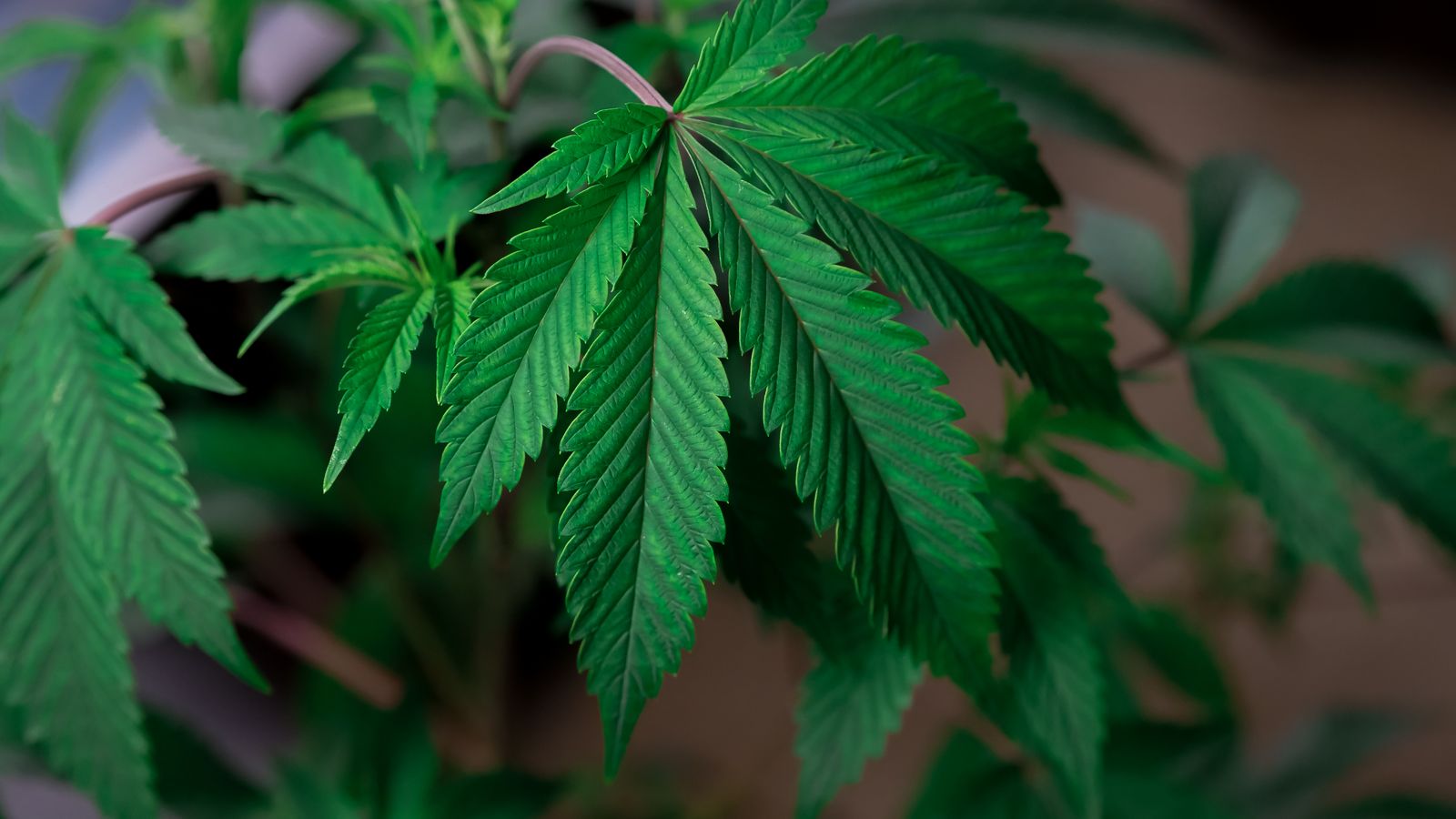
Hop latent viroid is now the costliest pathogen in commercial cannabis
How to detect it, why bleach is not enough, and the tissue-culture clean stock pipeline reshaping the industry.

The Q1 2026 MSO earnings: who's surviving compression, who isn't
Wholesale prices keep grinding lower. We read every earnings call so you don't have to.
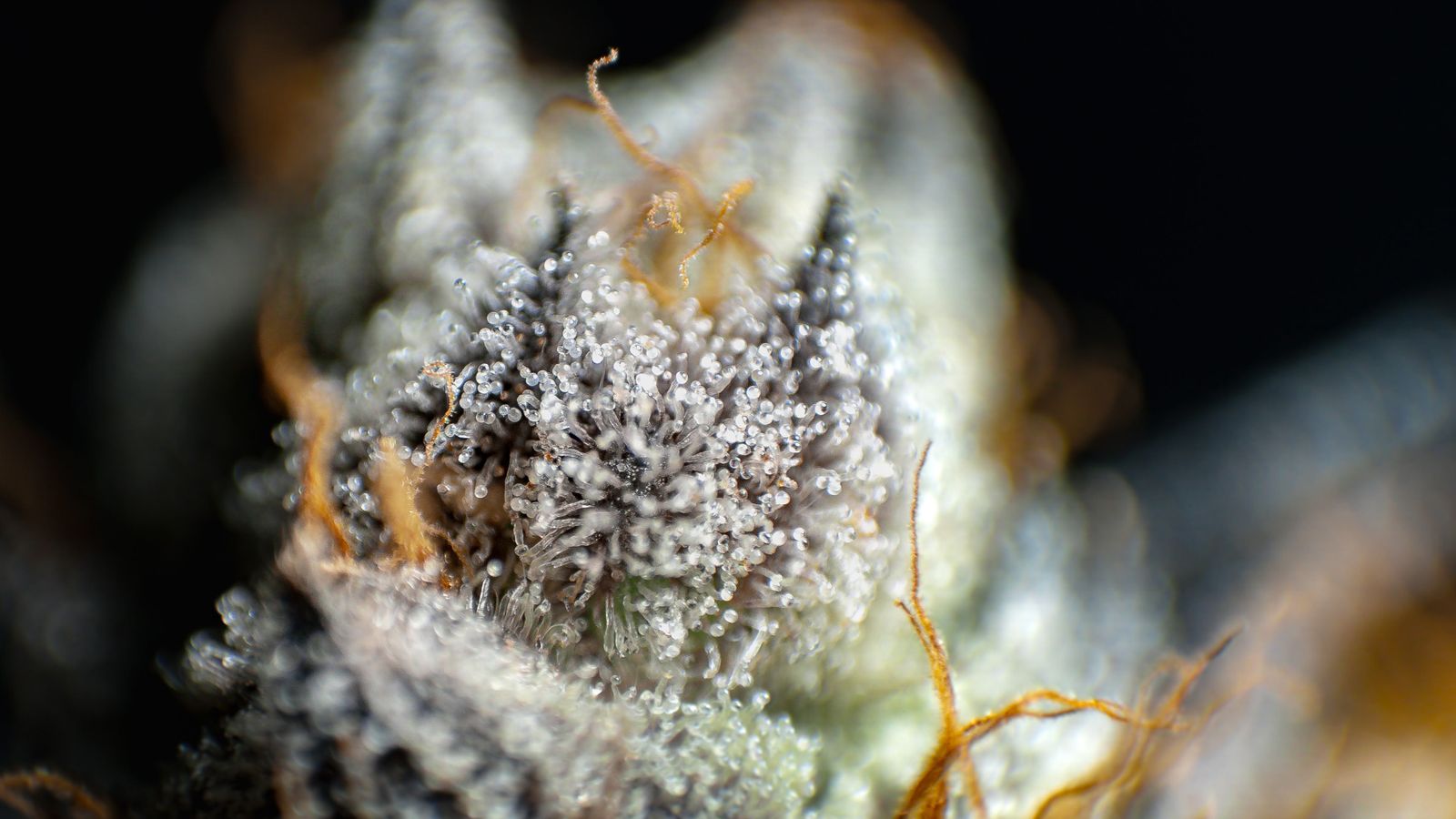
Northern Lights: the original outdoor workhorse, profiled
Genetic background, terpene structure, yield benchmarks, and why this strain is still the default beginner outdoor pick in 2026.